Vikram-1 Creates History: India's First Private Orbital Rocket Launch
Skyroot Aerospace successfully launched Vikram-1, India's first privately developed orbital rocket, from Sriharikota, marking a significant milestone in the nation's private space sector.
Intelligence analysis by Gemini 2.5 Flash
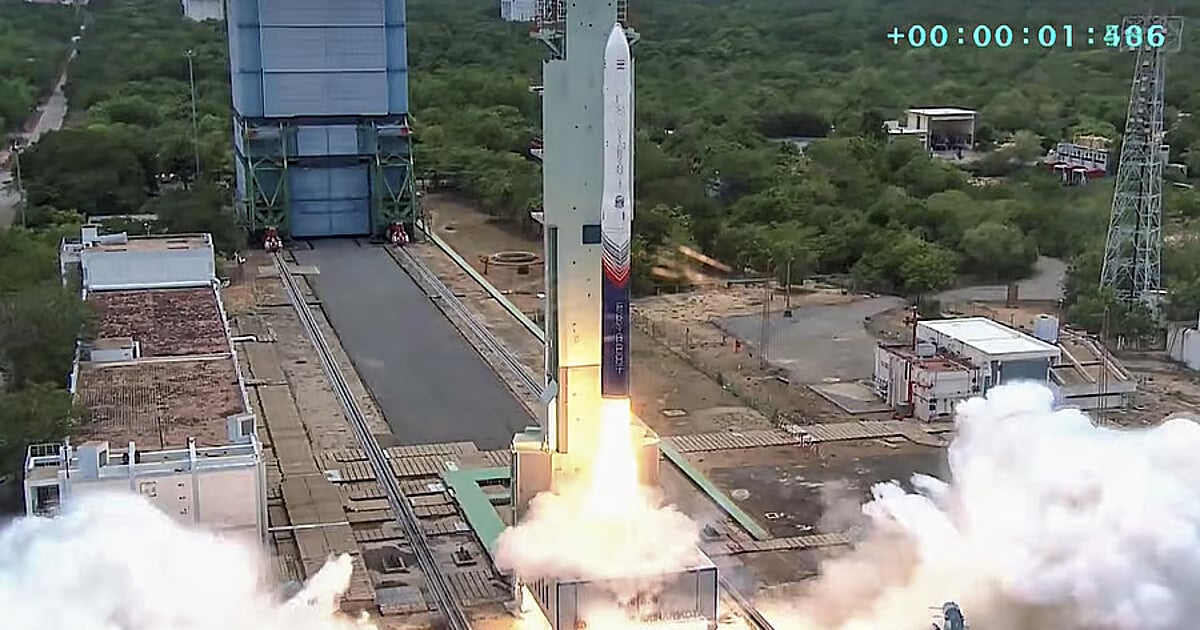
Hyderabad-based startup Skyroot Aerospace achieved a historic feat by launching its Vikram-1 rocket, capable of deploying 350 kg satellites into low-Earth orbit. This event positions India as the third country globally with private orbital launch capabilities, honoring Dr. Vikram Sarabhai.
Imagine a super-fast delivery truck, but instead of roads, it travels to space! India now has its very own private company that built such a truck, called Vikram-1, to send small toys (satellites) into space. This means more people can send their toys up there, making space travel easier and more exciting for everyone.
Analysis
A New Era for India's Space Sector
The successful launch of Vikram-1 by Skyroot Aerospace marks a pivotal moment in India's journey towards a more dynamic and privately driven space economy. This achievement not only demonstrates the capabilities of Indian startups but also aligns with the government's vision of opening up the space sector to private players, moving beyond the traditional dominance of ISRO.
By fostering an ecosystem where private entities can design, develop, and launch orbital rockets, India is poised to accelerate its pace in space exploration and commercial applications. This shift is crucial for meeting the growing global demand for satellite launches and for nurturing indigenous innovation. This historic event places India among a select group of nations, specifically as the third country globally, to possess private orbital launch capabilities.
Technical Prowess and Strategic Implications
This distinction underscores the nation's technological prowess and its commitment to becoming a significant contributor to the international space industry. The Vikram-1, a multi-stage launch vehicle, showcases advanced engineering, designed to deploy small satellites weighing up to 350 kg into low-Earth orbit. Its successful flight, originating from the Satish Dhawan Space Centre in Sriharikota, highlights the robust infrastructure and technical expertise available within India.
The rocket's ability to carry multiple technology demonstration payloads, including a symbolic postcard from Prime Minister Narendra Modi, emphasizes its versatility and the national pride associated with this endeavor. The naming of the rocket after Dr. Vikram Sarabhai, the revered father of India's space program, further connects this modern achievement to the foundational vision of the nation's space ambitions.
Global Recognition and Future Prospects
The development of such indigenous orbital launch capabilities has profound strategic implications, reducing India's reliance on foreign launch services for smaller payloads and enhancing its self-sufficiency in space. This technological leap positions India as an attractive partner for international collaborations, offering competitive launch services to other countries and private entities looking to deploy satellites.
This is not just about rockets; it's about building a comprehensive space ecosystem that includes manufacturing, ground support, and data services, creating a ripple effect across various high-tech industries. The successful orbital insertion of Vikram-1's payloads into a ~450 km orbit has garnered significant global attention, solidifying India's reputation as an emerging leader in the commercial space sector. This accomplishment is a testament to the dedication and innovation of Skyroot Aerospace and the broader Indian scientific community. Looking ahead, this milestone is expected to pave the way for more frequent and diverse private space missions from India, attracting further venture capital and fostering the growth of other space-tech startups.
Key points
- Vikram-1 is India's first privately developed orbital-class rocket.
- Developed by Hyderabad-based startup Skyroot Aerospace.
- Launched from Satish Dhawan Space Centre in Sriharikota, Andhra Pradesh.
- Capable of placing 350 kg satellites into low-Earth orbit.
- Named in honor of Dr. Vikram Sarabhai, father of the Indian space program.
- India is now the third country with private orbital launch capability.
The successful launch of Vikram-1 is expected to catalyze further private investment and innovation in India's space sector, potentially leading to more affordable and frequent satellite launches. This could position India as a global hub for commercial space services, attracting international clients and fostering technological advancements.
While a success, the nascent private space sector in India still faces challenges such as intense global competition, the need for sustained funding, and regulatory complexities. Potential delays in future missions or unforeseen technical issues could hinder its growth and impact investor confidence.