Virginia acquires 2,211 acres around Buffalo Mountain to create a new conservation area, protecting nearly 14 miles of native trout streams
Virginia has established a new State Conservation Area at Buffalo Mountain by acquiring 2,211 acres, expanding protected land to over 4,300 acres and safeguarding native trout streams.
Intelligence analysis by Gemini 2.5 Flash Lite
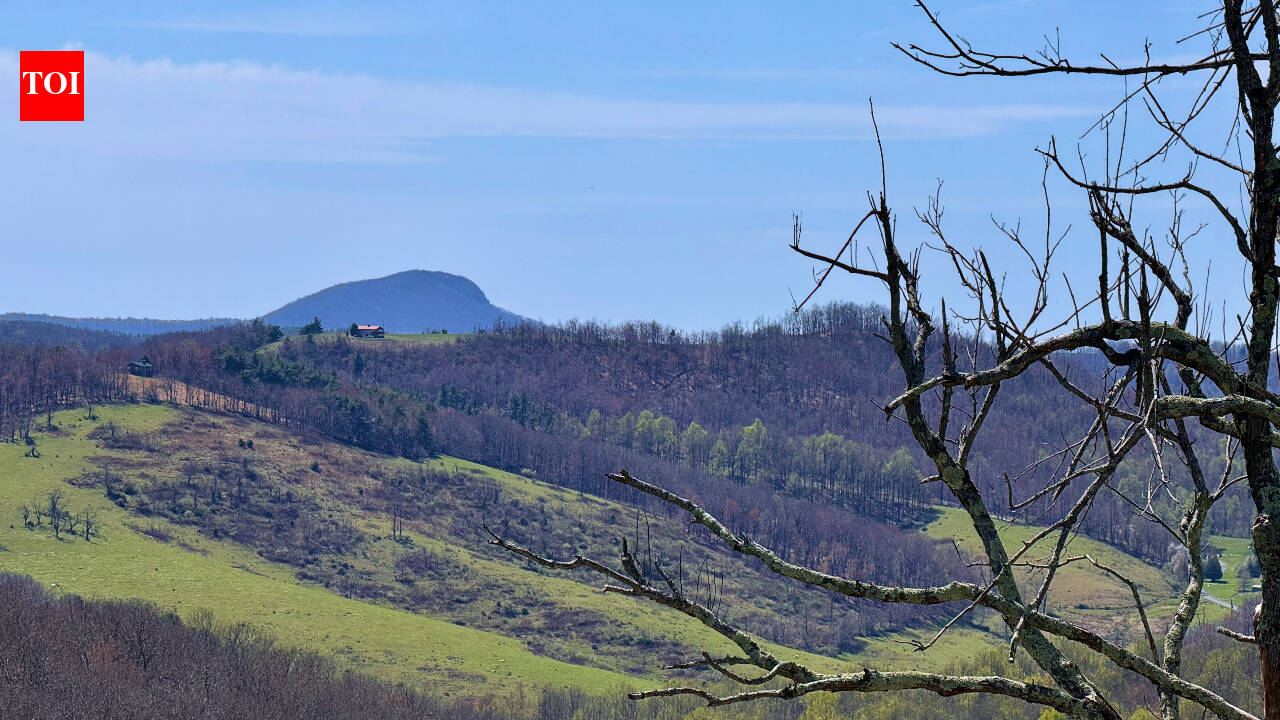
The acquisition of 2,211 acres around Buffalo Mountain in Virginia creates a significant new conservation area, bolstering protection for native trout streams and expanding public access to a popular natural landmark.
Imagine a special mountain with beautiful forests and streams where special fish called trout live. Virginia just bought a big piece of land around this mountain to keep it safe from buildings and protect the fish and clean water for everyone. It's like creating a giant, protected nature park!
Analysis
Buffalo Mountain
The recent acquisition of 2,211 acres surrounding Buffalo Mountain in Southwest Virginia marks a significant expansion of protected natural landscapes. This move by the Commonwealth of Virginia, in partnership with The Conservation Fund, effectively doubles the state-owned land in the area, bringing the total to 4,332 acres. The Buffalo Mountain area, already a recognizable natural landmark with its distinctive summit and Appalachian forests, is now better shielded against future development. This expansion not only preserves scenic beauty but also enhances the ecological integrity of a region that already draws approximately 15,000 visitors annually, underscoring its importance as both a natural asset and a recreational destination.
Native Trout Streams
A critical aspect of this conservation initiative is the protection of nearly 14 miles of native trout streams. These waterways are vital habitats for wild populations of eastern brook trout and brown trout. Crucially, these streams are located in the headwaters of the New River, a significant water source that provides drinking water to over 675,000 people across Virginia and West Virginia. By safeguarding these streams and the surrounding forests, the state is taking proactive steps to maintain water quality, which is essential for both ecological health and human consumption. The preservation of these aquatic ecosystems is a testament to the multifaceted benefits of land conservation.
The Conservation Fund
The successful acquisition was facilitated by a collaboration involving The Conservation Fund, which played a pivotal role in acquiring the land before transferring it to Virginia for permanent protection. The purchase was significantly bolstered by $9.5 million in federal Forest Legacy Program funding, channeled through the Land and Water Conservation Fund. This federal support highlights the national importance placed on such conservation projects. The involvement of The Conservation Fund, an organization dedicated to protecting land and water, alongside state agencies and the private landowners, the Lawson family, demonstrates a successful model for public-private partnerships in environmental stewardship, ensuring that land with a long history of private care transitions into a publicly accessible and protected resource for future generations.
Key points
- Virginia has acquired 2,211 acres to create a new State Conservation Area at Buffalo Mountain.
- The acquisition expands the total protected land around Buffalo Mountain to 4,332 acres.
- Nearly 14 miles of native trout streams, including habitats for wild brook and brown trout, are now protected.
- The protected area is crucial for maintaining water quality in the headwaters of the New River.
- The project was a collaboration involving The Conservation Fund and utilized federal Forest Legacy Program funding.
The expansion of the Buffalo Mountain conservation area promises enhanced recreational opportunities for visitors while ensuring the long-term health of native trout populations and water quality in the New River. This successful collaboration could serve as a model for future conservation projects in the region.
Despite the acquisition, ongoing management challenges and potential impacts from increased visitor numbers could still pose risks to the sensitive ecosystems. Ensuring sustained funding for conservation and effective management strategies will be crucial for long-term success.