Visa works with Upbit parent on stablecoin payments, AI commerce
Visa and Dunamu, the parent company of South Korean crypto exchange Upbit, have partnered to explore stablecoin payments, cross-border remittances, and AI-powered commerce. The collaboration aims to integrate digital assets with traditional finance through Visa's global n…
Intelligence analysis by Gemini 2.5 Flash
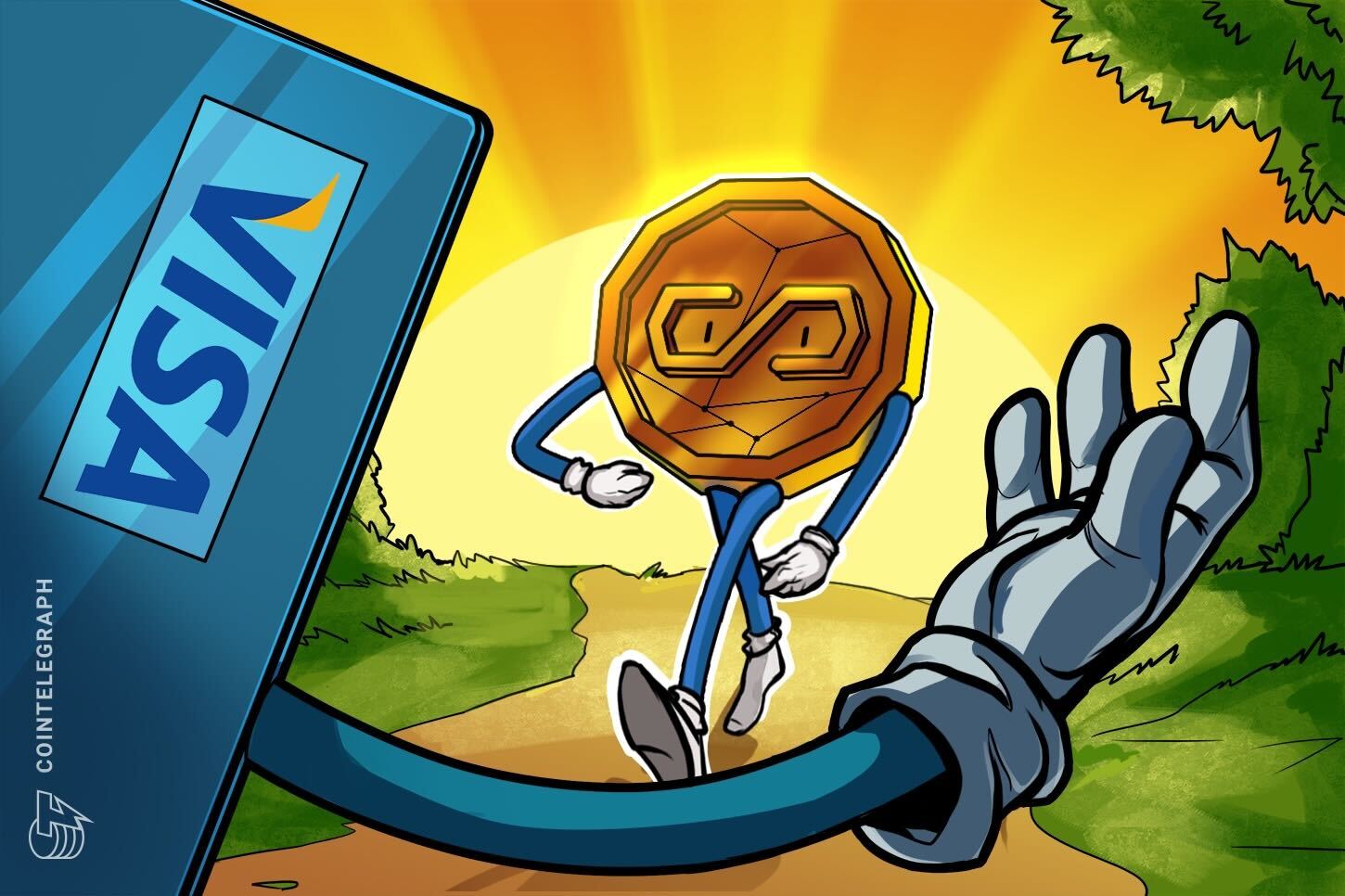
A new strategic partnership between global payments giant Visa and South Korean fintech firm Dunamu, owner of the Upbit crypto exchange, is set to investigate the potential of stablecoins for payments and remittances. The initiative also delves into 'agentic commerce,' where AI facilitates purchases, aiming to bridge the gap between digital assets and conventional financial systems.
Imagine you have special digital money, like a super-stable dollar, that you can send to friends or family really fast, even if they live far away. Now, imagine a smart robot helper that can shop online for you, find the best deals, and even pay for things using that special digital money. That's kind of what big payment company Visa and a Korean tech company called Dunamu are trying to figure out together – making it easier and smarter to use digital money for shopping and sending money around the world.
Analysis
The collaboration between Visa and Dunamu represents a significant step towards integrating digital assets into the global financial infrastructure. By combining Visa's extensive payment network with Dunamu's expertise in digital asset technology, the partnership seeks to develop new models for payments, remittances, and settlements across major markets. This initiative underscores a growing recognition among established financial institutions of the transformative potential of blockchain-based technologies, particularly stablecoins, in enhancing efficiency and accessibility within the global economy.
Dunamu
Dunamu, the parent company of South Korea's leading cryptocurrency exchange Upbit, brings substantial digital asset technology and market presence to this strategic alliance. Its CEO, Oh Kyung-seok, highlighted the partnership's goal to connect digital assets with traditional finance, acknowledging the evolving landscape driven by AI, stablecoins, and tokenization. This move by Dunamu positions it at the forefront of innovation, leveraging its crypto-native capabilities to explore broader applications within the mainstream financial system.
The company's involvement is crucial for navigating the complexities of digital asset integration, particularly in the Asian market where Upbit holds significant sway. While Dunamu is exploring various stablecoin projects, its cautious approach, as evidenced by Upbit's clarification regarding OUSD issuance, indicates a strategic and measured engagement with emerging technologies. This ensures that any solutions developed are robust and compliant with evolving regulatory frameworks.
Open USD
Central to the stablecoin exploration is Open Standard's proposed Open USD (OUSD), a dollar-backed stablecoin that was unveiled in June. The article notes that over 140 companies, including major players like Visa, Mastercard, Stripe, Coinbase, and BlackRock, have reportedly signed up to use OUSD. This broad interest from diverse financial and tech giants suggests a potential for OUSD to become a widely adopted stablecoin, should it successfully launch and gain regulatory approval.
However, Dunamu has clarified that OUSD is merely one of several stablecoin projects under review and that no specific stablecoin has been prioritized for the partnership. This indicates a comprehensive evaluation process, ensuring that the chosen stablecoin solution aligns perfectly with the partnership's objectives and regulatory requirements. The cautious stance reflects the nascent stage of stablecoin integration into traditional payment rails and the need for thorough due diligence.
Agentic Commerce
Beyond stablecoins, the partnership is also delving into the innovative concept of 'agentic commerce.' This involves the use of artificial intelligence agents that can autonomously search for products and services, and then execute purchases and payments on behalf of a user. This futuristic approach aims to streamline the commerce experience, making it more efficient and personalized by delegating transactional tasks to intelligent AI systems.
The exploration of agentic commerce, combined with stablecoin payment and settlement infrastructure, signifies a forward-thinking vision for the future of digital transactions. It suggests a potential paradigm shift where AI not only assists in discovery but also actively participates in the financial aspects of commerce. This integration could unlock new levels of automation and convenience, fundamentally altering how consumers and businesses interact with payment systems and digital marketplaces.
Key points
- Visa and Dunamu, Upbit's parent company, have formed a strategic partnership.
- The collaboration will explore stablecoin payments, cross-border remittances, and AI-powered commerce.
- They aim to combine Dunamu’s digital asset technology with Visa’s global payments network.
- Open Standard’s proposed Open USD (OUSD) is one of several stablecoin projects under review.
- The companies will also examine 'agentic commerce,' where AI agents make purchases on a user's behalf.
This partnership could significantly accelerate the mainstream adoption of stablecoins for everyday payments and cross-border remittances, making transactions faster and cheaper globally. The integration of AI into commerce could also lead to highly personalized and efficient shopping experiences, potentially revolutionizing how consumers interact with digital marketplaces.
The exploratory nature of the partnership means success is not guaranteed, facing potential hurdles such as complex regulatory environments for stablecoins and AI, as well as technical challenges in integrating disparate systems. Competition from existing payment solutions and other emerging blockchain initiatives could also limit the widespread adoption of their proposed solutions.