Volkswagen board approves plan to cut another 50,000 jobs
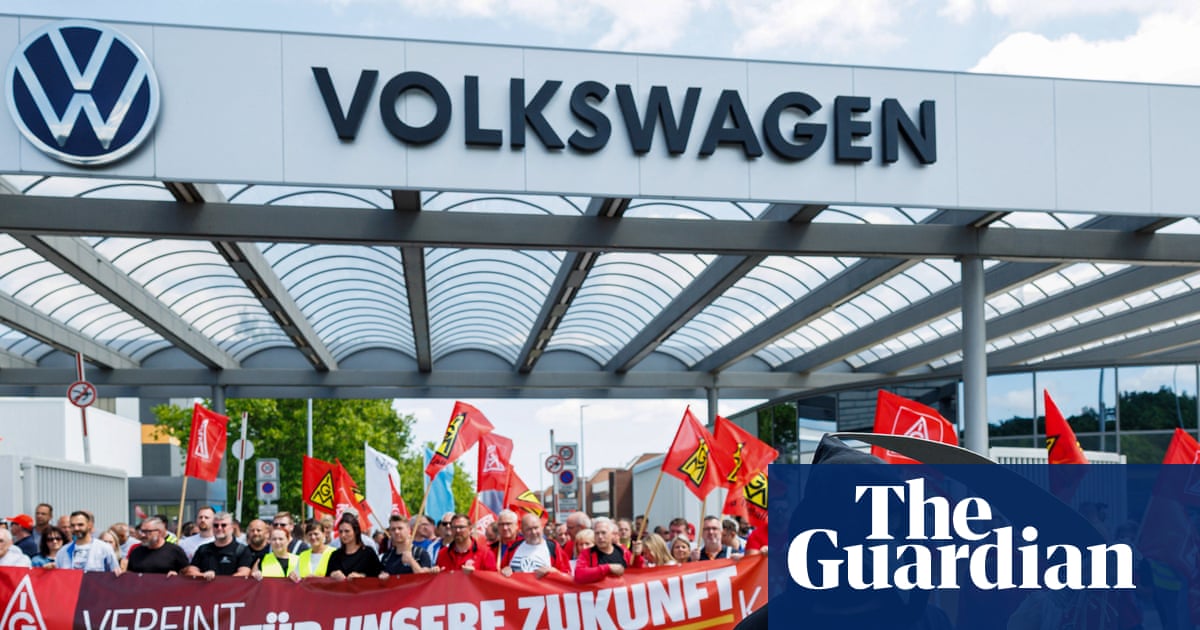
Volkswagen's board has approved a plan to cut an additional 50,000 jobs, bringing the total planned reductions to 100,000 by 2030, as part of a major restructuring effort.
Intelligence analysis by Gemini 2.5 Flash

The German automotive giant Volkswagen is undertaking its largest restructuring in nearly nine decades, aiming to shed 100,000 jobs by 2030. This move, which also includes reviewing the future of four German plants and reducing model complexity, is a response to falling profits, declining sales, and intense competition, particularly from Chinese brands.
Imagine a giant toy car factory called Volkswagen that makes lots of different cars, like Golfs and Porsches. Lately, fewer people are buying their cars because new, cheaper toy cars from other companies, especially from China, are becoming very popular. So, the factory boss decided they need to make fewer kinds of cars and make them more efficiently. To do this, they're going to have to let go of about 100,000 workers over the next few years, which is like a huge number of people, to help the factory stay strong and keep making cool cars in the future.
Analysis
Volkswagen's decision to cut an additional 50,000 jobs, bringing the total to 100,000 by 2030, underscores the profound challenges facing established automotive manufacturers. This extensive restructuring, described as the largest in the group's almost nine-decade history, reflects a strategic imperative to regain competitiveness amidst a rapidly evolving market.
100,000 Roles
The approval by Volkswagen's board to shed another 50,000 positions, following an initial announcement of 50,000 cuts in March, signals a comprehensive overhaul of its global workforce. This substantial reduction, which includes management roles, is deemed a "fundamental adjustment of the global workforce capability" necessary to safeguard the company's future. The scale of these job cuts indicates a deep-seated need to streamline operations and reduce costs across the vast enterprise, which encompasses brands like Audi, Porsche, and Skoda.
Beyond workforce reductions, Volkswagen is also re-evaluating its production footprint, specifically considering the future of four German plants in Emden, Zwickau, Hanover, and Neckarsulm. These facilities currently face excess capacity, prompting the company to assess "alternative uses" for them. This move suggests a broader strategy to optimize manufacturing efficiency and align production with shifting demand, potentially leading to significant regional economic impacts.
Chinese Brands
A primary driver behind Volkswagen's drastic measures is the escalating competition, particularly from aggressive Chinese brands. These rivals have rapidly expanded their market share by rolling out new technologies and benefiting from lower production costs. The article specifically mentions BYD as a firm that has seen sharp sales increases in key markets like the UK, European Union, and South East Asia, directly challenging the dominance of traditional players.
Volkswagen's profits have been significantly impacted by falling sales in China, once one of its largest and most lucrative markets. This decline, coupled with reduced sales in the US partly due to tariffs, highlights the vulnerability of established carmakers to both geopolitical factors and the rapid innovation cycles of new entrants. The company's strategy to cut the number of models by 50% and reduce complexity by 75% by 2035 is a direct response to this competitive pressure, aiming to prioritize "most compelling vehicles" and achieve greater economies of scale.
Oliver Blume
Volkswagen's chief executive, Oliver Blume, framed the restructuring as a "strong signal" for the firm's future, emphasizing that the company is "taking responsibility for our entire workforce." His statements suggest a commitment to navigating the current "crisis situation," as described by Christianne Benner, president of Europe's largest industrial union IG Metall and deputy chair of VW's Supervisory Board. The union's involvement indicates that these significant changes are being negotiated, aiming for solutions that address both corporate competitiveness and employee welfare.
The market's immediate reaction to the announcement was positive, with shares in Volkswagen rising by around 7% in Frankfurt. This suggests that investors view the aggressive cost-cutting and strategic refocusing as necessary steps to improve the company's financial health and long-term viability. The emphasis on prioritizing high-demand models and increasing production volume per model is expected to lower costs and enhance profitability, positioning Volkswagen to better compete in a challenging global automotive landscape.
Key points
- Volkswagen's board approved cutting an additional 50,000 jobs, bringing the total planned reductions to 100,000 by 2030.
- This is part of the largest restructuring in the group's nearly nine-decade history.
- The company is also considering the future of four German plants due to excess production capacity.
- The move is a response to falling profits, declining sales, and fierce competition, particularly from Chinese brands.
- VW plans to cut the number of models it produces by 50% and reduce complexity by 75% by 2035 to lower costs.
The extensive restructuring and job cuts could significantly streamline Volkswagen's operations, reduce costs, and enhance its competitiveness against emerging rivals. By focusing on fewer, more compelling models and optimizing production, the company aims to improve profitability and secure its long-term position in the global automotive market.
The massive job cuts and potential plant closures could lead to significant social and economic disruption in affected regions, potentially impacting employee morale and public perception. Despite these measures, Volkswagen may still struggle to regain market share if competition from Chinese brands continues to intensify and demand shifts rapidly.
Market signals
- VOW3 Shares in Volkswagen were up by around 7% in Frankfurt following the announcement, indicating investor confidence in the restructuring and cost-cutting measures.
AI-generated analysis of potential market relevance. Not financial advice.