Warm Welcome for Argentina National Team Despite Losing 2026 World Cup Final
Thousands of Argentinian fans braved adverse weather to give their national football team a hero's welcome despite their 0-1 loss to Spain in the 2026 World Cup final, with captain Lionel Messi notably absent from the homecoming. The celebration underscored the nation's u…
Intelligence analysis by Gemini 2.5 Flash
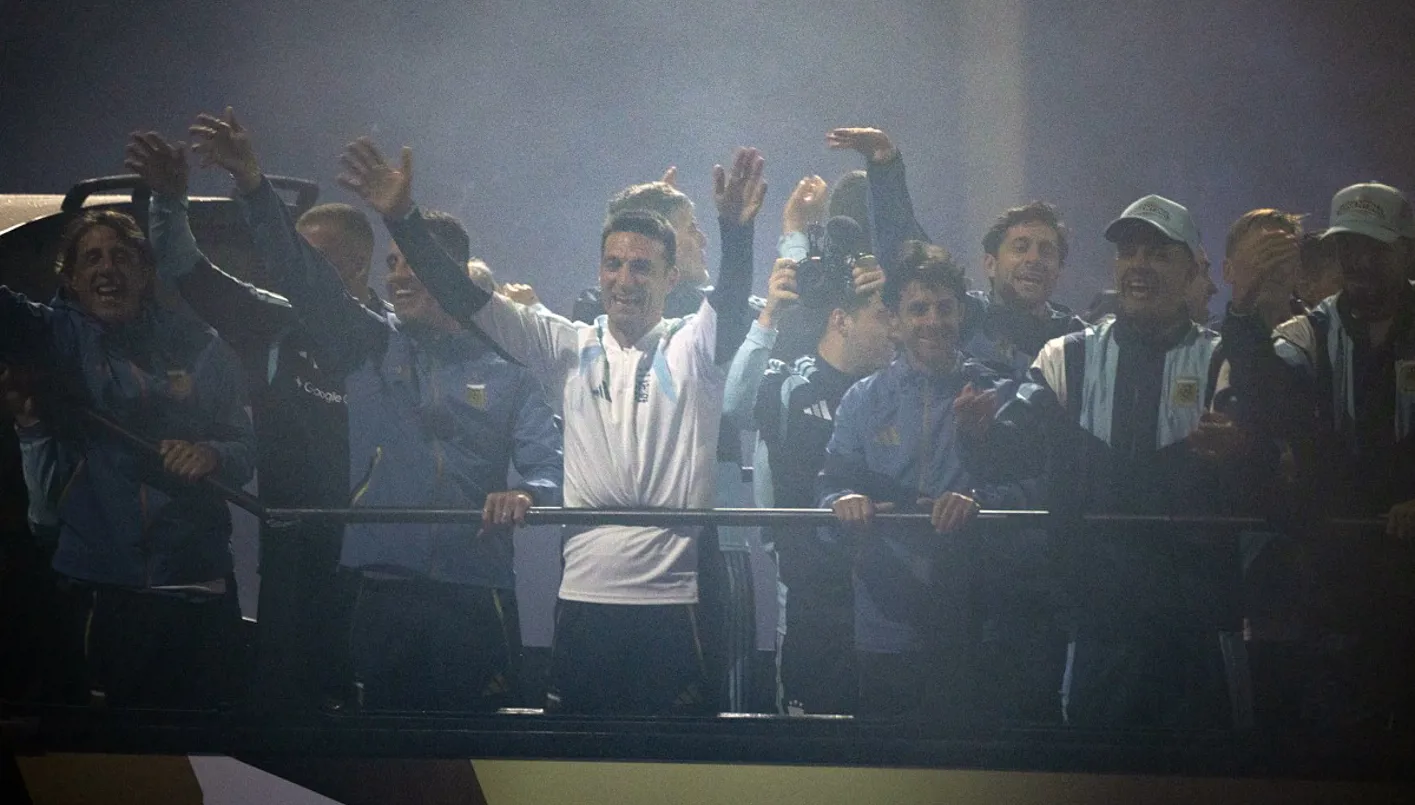
Despite a heartbreaking 0-1 defeat to Spain in the 2026 World Cup final, thousands of Argentinian football fans defied cold and rain to give their national team a passionate welcome home. The celebration, marked by dancing, singing, and fireworks, highlighted the deep national pride and unity surrounding the team, even as star player Lionel Messi was absent and later expressed his pro…
Imagine your favorite sports team played in the biggest game of the year, the World Cup, and lost. Even though they didn't win, thousands of fans still came out in the cold and rain to cheer for them when they came home! It was like a giant party to say "thank you" for trying their best. Their best player, Messi, was sad, but he reminded everyone that they still did amazing things, like getting to the final twice in a row. Even the country's president said they'd get a holiday to celebrate!
Analysis
A Nation's Unwavering Support
The homecoming of the Argentine national football team, despite their 0-1 defeat to Spain in the 2026 World Cup final, showcased an extraordinary display of national unity and unwavering support. Thousands of fans braved cold and rain in Buenos Aires, transforming disappointment into a vibrant celebration of their team's journey. This reception, four years after the euphoria of their 2022 victory, underscored a deep-seated cultural connection between the Argentinian people and their football heroes, transcending the immediate outcome of a single match.
The scenes of fans dancing, singing, and setting off fireworks were a testament to the emotional investment the nation places in its team. Coach Lionel Scaloni and the returning players were met with a red carpet and military band, a clear indication of the respect and admiration they command. This collective outpouring of affection, as noted by housewife Marga Ledesma, signifies that for Argentinians, the act of supporting their team is a celebration in itself, regardless of whether a trophy is lifted.
Beyond the Scoreline: Geopolitical Echoes
The narrative of the 2026 World Cup for Argentina extended beyond mere sporting competition, touching upon sensitive geopolitical issues. A significant aspect highlighted by many fans was the semi-final victory against England, a match imbued with historical and political weight due to the ongoing dispute over the Falkland Islands. The display of "Falklands are Argentinian" flags by players, which subsequently led to a FIFA investigation and angry reactions in London, illustrates how international sporting events can become platforms for expressing nationalistic sentiments and historical grievances.
This intertwining of sports and politics demonstrates the powerful role football plays in shaping national identity and international perceptions. For many Argentinians, the win against England was considered a "true victory," overshadowing the final loss to Spain. This perspective underscores how deeply rooted historical conflicts can influence public interpretation of sporting achievements, turning a game into a symbolic battleground for national pride and sovereignty.
Messi's Enduring Legacy and Future Uncertainty
Lionel Messi, the iconic captain, was notably absent from the team's immediate return, later expressing "deep pain" on Instagram over the final defeat. His emotional statement, acknowledging the difficulty of healing while also recalling positive achievements like reaching two consecutive World Cup finals and memorable victories against England and Egypt, resonated deeply with fans. At 39, Messi's future with the national team remains a poignant question, with fans like Marga Ledesma urging him not to retire, recognizing his immense contribution over the years.
Despite his failure to impact the final match and the team's overall lack of cohesion against Spain, Messi's legacy as a unifying figure and a symbol of national pride is undeniable. President Javier Milei's announcement of a future public holiday to celebrate the team's performance further solidifies their place in the nation's heart. However, the post-celebration clashes at the Obelisco, resulting in arrests, also reveal the volatile emotions that can accompany such intense national events, highlighting the fine line between passionate celebration and public disorder.
Key points
- Thousands of Argentinian fans welcomed their national football team despite losing the 2026 World Cup final to Spain.
- Lionel Messi was absent from the homecoming but later expressed "deep pain" over the defeat on Instagram.
- Fans celebrated with dancing, singing, and fireworks, demonstrating unwavering national support.
- The team's semi-final victory over England was seen by many as a "true victory" due to the Falklands dispute, leading to a FIFA investigation over a banner.
- President Javier Milei announced a future public holiday to celebrate the team's performance.
- Minor clashes with police and 15 arrests occurred during celebrations at the Obelisco monument in Buenos Aires.
The overwhelming public support and celebration, despite the World Cup final loss, highlight a strong sense of national unity and pride in Argentina. This collective spirit could foster continued support for the national team and potentially inspire future generations of athletes, reinforcing a positive national identity through sports.
The disappointment of losing a second consecutive World Cup final, coupled with international media criticism regarding sportsmanship, could lead to internal scrutiny and pressure on the team and coaching staff. Furthermore, the minor clashes and arrests during celebrations underscore the potential for public gatherings to escalate into disorder, posing challenges for authorities.