Washington Intervenes to Support the Japanese Yen for the First Time Since 2011
The US Treasury Department has intervened in the foreign exchange market to support the Japanese yen for the first time since 2011, in coordination with Tokyo. The move aims to stabilize the yen, which has been declining to levels not seen in over four decades.
Intelligence analysis by Llama
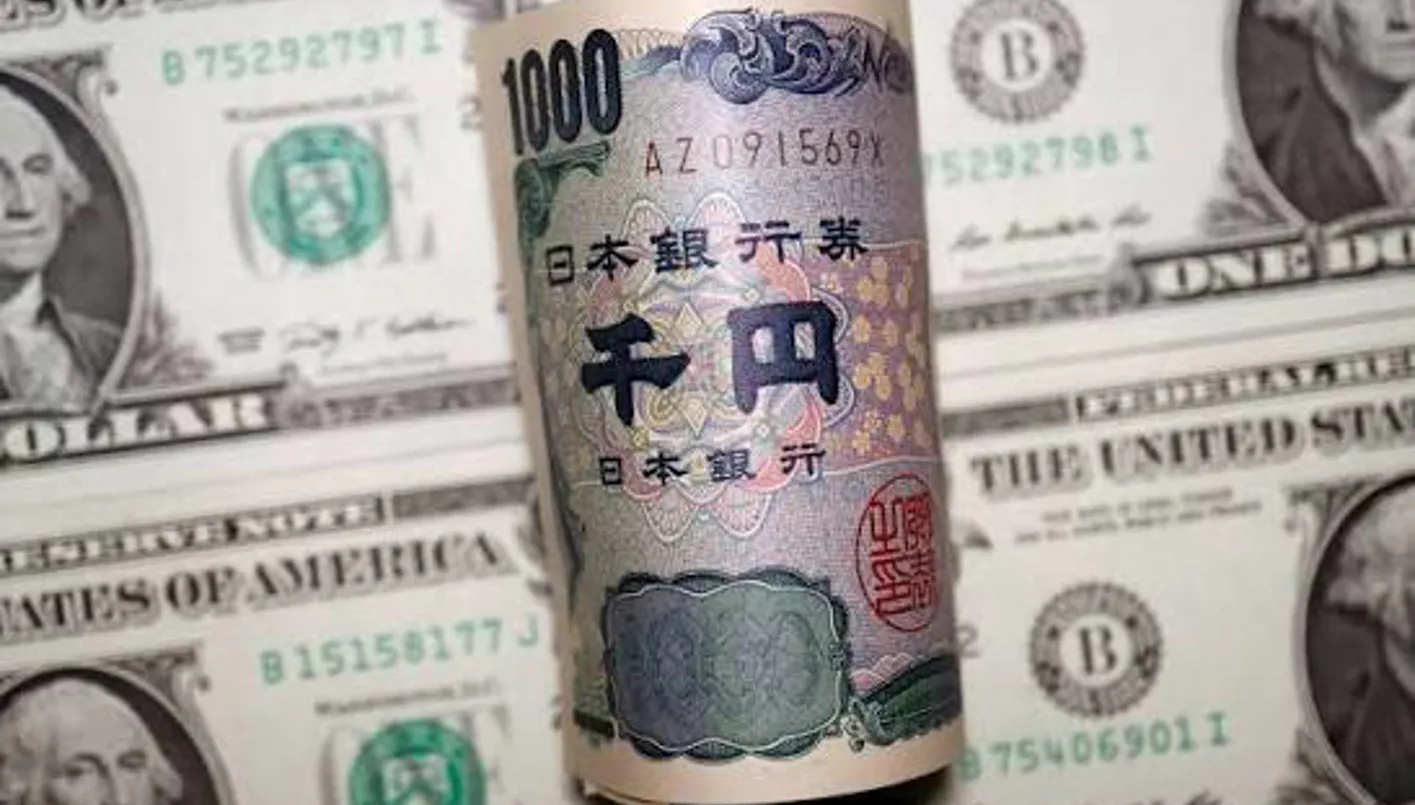
The US Treasury Department has intervened in the foreign exchange market to support the Japanese yen, marking the first time since 2011. The move aims to stabilize the yen, which has been declining to levels not seen in over four decades. The intervention has been done in coordination with Tokyo, and the US Treasury has reportedly purchased the yen through banks such as Goldman Sachs …
Imagine you have a big jar of cookies, and you want to keep them from getting eaten. You put a big lock on the jar to keep people from taking cookies out. That's kind of like what the US Treasury Department did with the Japanese yen. They put a big lock on the yen to keep it from getting weaker.
Analysis
A $60B Vote of Confidence
The US Treasury Department's intervention in the foreign exchange market to support the Japanese yen is a significant development that has far-reaching implications. The move, which is the first of its kind since 2011, aims to stabilize the yen, which has been declining to levels not seen in over four decades. The intervention has been done in coordination with Tokyo, and the US Treasury has reportedly purchased the yen through banks such as Goldman Sachs and Morgan Stanley.
The move is seen as a vote of confidence in the Japanese economy, which has been struggling with low growth and deflation. The intervention is also seen as a attempt to stabilize the yen, which has been declining to levels not seen in over four decades. The move is expected to have a positive impact on the Japanese economy, and it is seen as a step in the right direction.
Why the US Treasury Intervened
The US Treasury Department intervened in the foreign exchange market to support the Japanese yen due to concerns about the stability of the global economy. The move is seen as a attempt to stabilize the yen, which has been declining to levels not seen in over four decades. The intervention is also seen as a attempt to prevent a further decline in the yen, which could have negative implications for the global economy.
The Road Ahead
The US Treasury Department's intervention in the foreign exchange market to support the Japanese yen is a significant development that has far-reaching implications. The move is expected to have a positive impact on the Japanese economy, and it is seen as a step in the right direction. However, the move also raises concerns about the stability of the global economy, and it is expected to have a significant impact on the global economy in the coming weeks and months.
Key points
- The US Treasury Department has intervened in the foreign exchange market to support the Japanese yen for the first time since 2011.
- The move aims to stabilize the yen, which has been declining to levels not seen in over four decades.
- The intervention has been done in coordination with Tokyo, and the US Treasury has reportedly purchased the yen through banks such as Goldman Sachs and Morgan Stanley.
- The move is seen as a vote of confidence in the Japanese economy, which has been struggling with low growth and deflation.
- The intervention is also seen as a attempt to stabilize the yen, which has been declining to levels not seen in over four decades.
The US Treasury Department's intervention in the foreign exchange market to support the Japanese yen is expected to have a positive impact on the Japanese economy. The move is seen as a step in the right direction, and it is expected to have a positive impact on the global economy in the coming weeks and months.
The US Treasury Department's intervention in the foreign exchange market to support the Japanese yen raises concerns about the stability of the global economy. The move is seen as a attempt to prevent a further decline in the yen, which could have negative implications for the global economy.