Water bills set to rise for many after firms permitted extra funding
Ofwat has provisionally allowed 13 water firms in England and Wales to seek another £3.4bn, adding to future bills.
Intelligence analysis by GPT-5.4 Mini
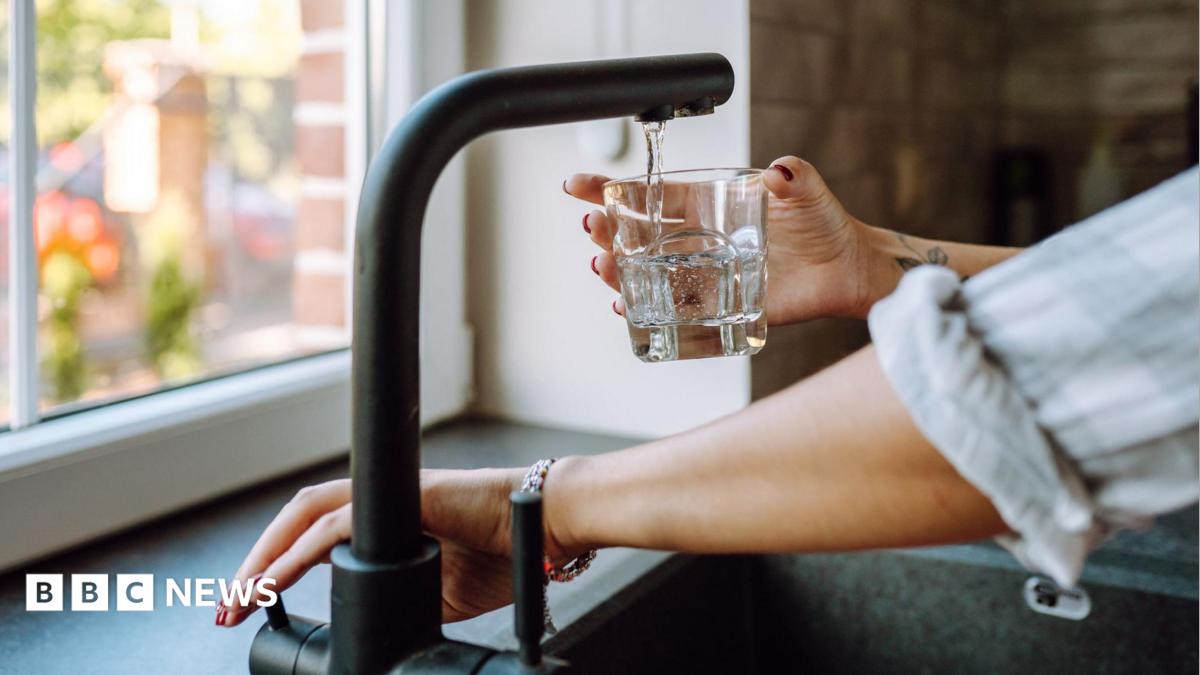
The regulator says the money is needed for infrastructure, growth and pollution fixes, but ministers and campaigners say households are being asked to pay again for failures that should have been prevented.
Imagine a leaky house where the repair bill keeps growing because the owners waited too long to fix it. Water companies want customers to help pay for those repairs now, so the water system can be improved, but that means higher bills for some families.
Analysis
£3.4bn
Ofwat's provisional approval is not just a technical budget adjustment. It is another signal that the costs of underinvestment, population growth and environmental cleanup are now being pushed into future household bills rather than absorbed by companies or delayed.
The size of the extra funding matters because it sits on top of already agreed price rises. That means the bill shock is cumulative, not isolated, and it arrives while consumers are still dealing with broader cost-of-living pressure.
Ofwat
The regulator is trying to present the decision as conditional and disciplined rather than a blank cheque. It says it will track performance and claw back spending if companies do not deliver the promised improvements, which is meant to reduce the risk of money being spent without visible public benefit.
That approach reflects a wider tension in utility regulation: firms need capital for upgrades, but households want proof that higher charges lead to fewer leaks, cleaner water and better resilience. The public consultation and final decision in December suggest the political and regulatory pressure is not over.
Thames Water
The list of companies facing earlier rises makes the issue feel concrete rather than abstract. Customers of Severn Trent Water, Southern Water, Thames Water, Wessex Water and South East Water are set to see increases before 2030, with the article citing rises of £1 to £43 in specific financial years.
That detail matters because it shows how uneven the burden will be. Some households will pay sooner, while the benefits from new wastewater capacity, PFAS work and other schemes may only arrive later, if the projects are delivered on time and to standard.
The political reaction also tells its own story. Andy Burnham frames the move as a hit to family budgets, while River Action argues the industry has had decades to invest properly and is still passing the bill on to customers.
In that sense, the decision is not only about water pipes and treatment works. It is also about trust, and whether the public believes extra charges are buying real improvement rather than another round of promises.
Key points
- Ofwat has provisionally approved an extra £3.4bn for 13 water companies in England and Wales.
- Some of the money is meant for infrastructure upkeep, housing growth, data centres and PFAS cleanup.
- Five companies are already set for bill rises before 2030, including Thames Water and Southern Water.
- Ministers and campaigners say households should not keep paying for industry failures.
- The final decision is due in December after public consultation.
If the spending is delivered as promised, customers could eventually get fewer leaks, better wastewater capacity and cleaner rivers. The regulator also says it can claw money back if companies fail to improve, which could make the process more accountable.
The biggest risk is that households pay more before they see clear improvements. If companies miss targets or the public judges the spending as unnecessary, the decision could deepen anger over bills, pollution and trust in the industry.