Waymo Receives Permission To Offer Rides In Sacramento And San Diego
Waymo has received permission from the California Public Utilities Commission to expand its robotaxi service across more counties in California, including Sacramento and San Diego.
Intelligence analysis by Llama
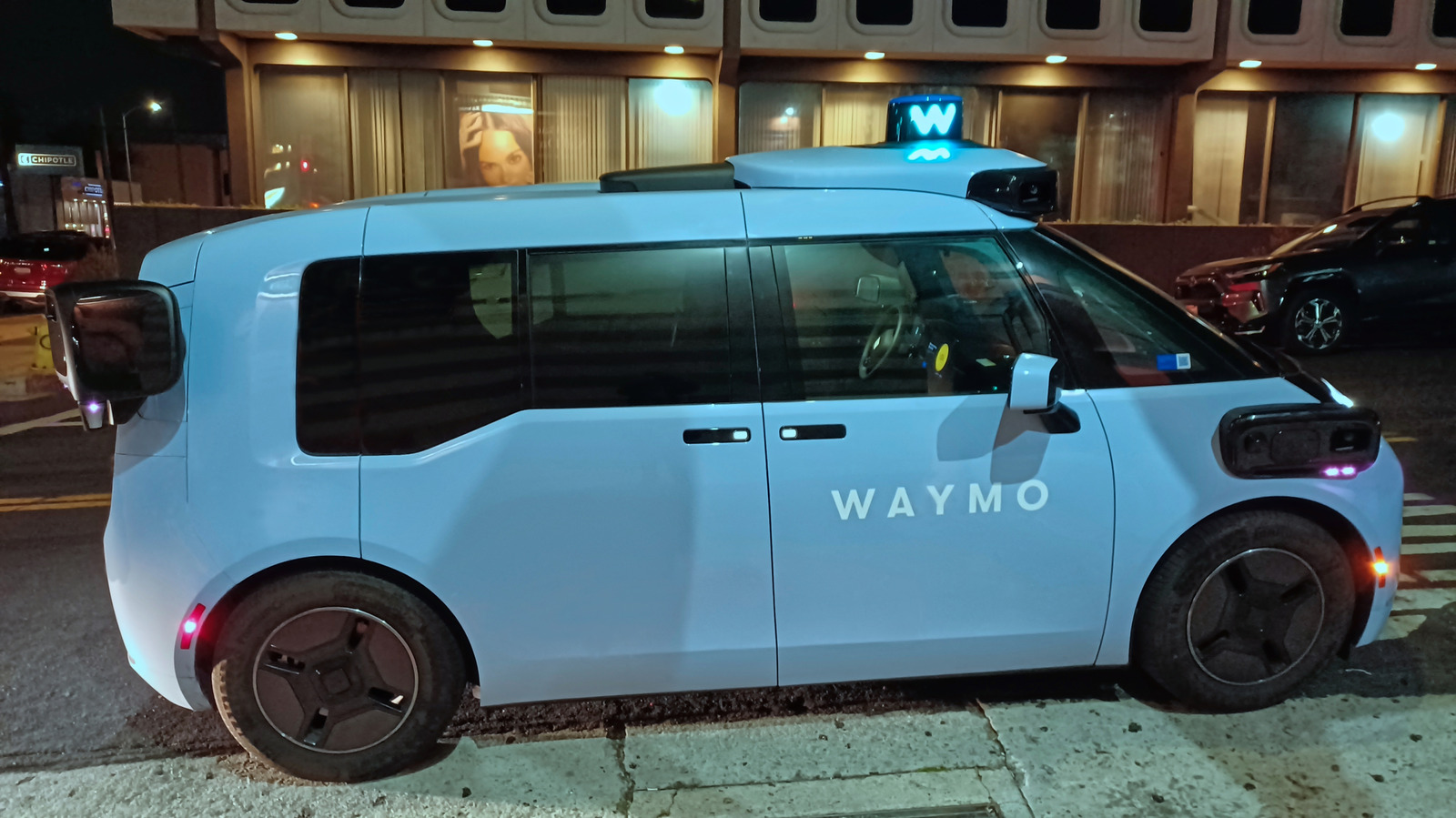
Waymo has received permission to expand its robotaxi service in California, including offering rides in Sacramento and San Diego. The company will also be able to expand its fleet across more of the San Francisco Bay Area and Los Angeles.
Imagine you're in a car, but instead of a human driving, a computer is in charge. That's basically what Waymo's robotaxis are. They're special cars that can drive themselves, and they're getting permission to drive people around in more places in California. This is a big deal because it could make it easier for people to get around without needing to drive themselves.
Analysis
Waymo's Expansion Plans in California
Waymo's recent announcement of receiving permission from the California Public Utilities Commission (CPUC) to expand its robotaxi service across more counties in California is a significant development for the autonomous ride-hailing industry. The company's decision to offer rides in Sacramento and San Diego marks a major milestone in its expansion plans in the state. According to Waymo, the CPUC's approval will allow the company to expand its service in the San Francisco Bay Area and Los Angeles, in addition to the two new cities. This expansion is expected to be gradual and guided by Waymo's safety framework, which prioritizes the safety of passengers and other road users.
Safety Framework and Regulatory Approval
Waymo's safety framework is a critical component of its expansion plans in California. The company has developed a comprehensive safety plan that includes measures to mitigate the risks associated with autonomous vehicles. The CPUC's approval of Waymo's safety plan is a significant endorsement of the company's commitment to safety. The regulatory approval is also a testament to the company's ability to work with regulatory bodies to ensure that its services meet the highest standards of safety and reliability.
Implications for the Autonomous Ride-Hailing Industry
Waymo's expansion plans in California have significant implications for the autonomous ride-hailing industry. The company's decision to offer rides in Sacramento and San Diego marks a major milestone in its expansion plans in the state. The expansion is expected to improve transportation options for residents and visitors, and could also have a positive impact on the local economy. Additionally, Waymo's safety framework and regulatory approval set a high standard for the industry, and could influence the development of autonomous ride-hailing services in other states.
Key points
- Waymo has received permission from the CPUC to expand its robotaxi service in California.
- The company will offer rides in Sacramento and San Diego, and expand its service in the San Francisco Bay Area and Los Angeles.
- Waymo's safety framework and regulatory approval set a high standard for the industry.
- The expansion is expected to improve transportation options for residents and visitors, and could also have a positive impact on the local economy.
If Waymo's expansion plans in California are successful, it could lead to improved transportation options for residents and visitors, and could also have a positive impact on the local economy. Additionally, the company's safety framework and regulatory approval set a high standard for the industry, and could influence the development of autonomous ride-hailing services in other states.
However, there are also potential risks associated with Waymo's expansion plans in California. For example, the company's safety framework may not be foolproof, and there is a risk of accidents or other safety incidents. Additionally, the company's reliance on technology could make it vulnerable to cyber attacks or other forms of disruption.


