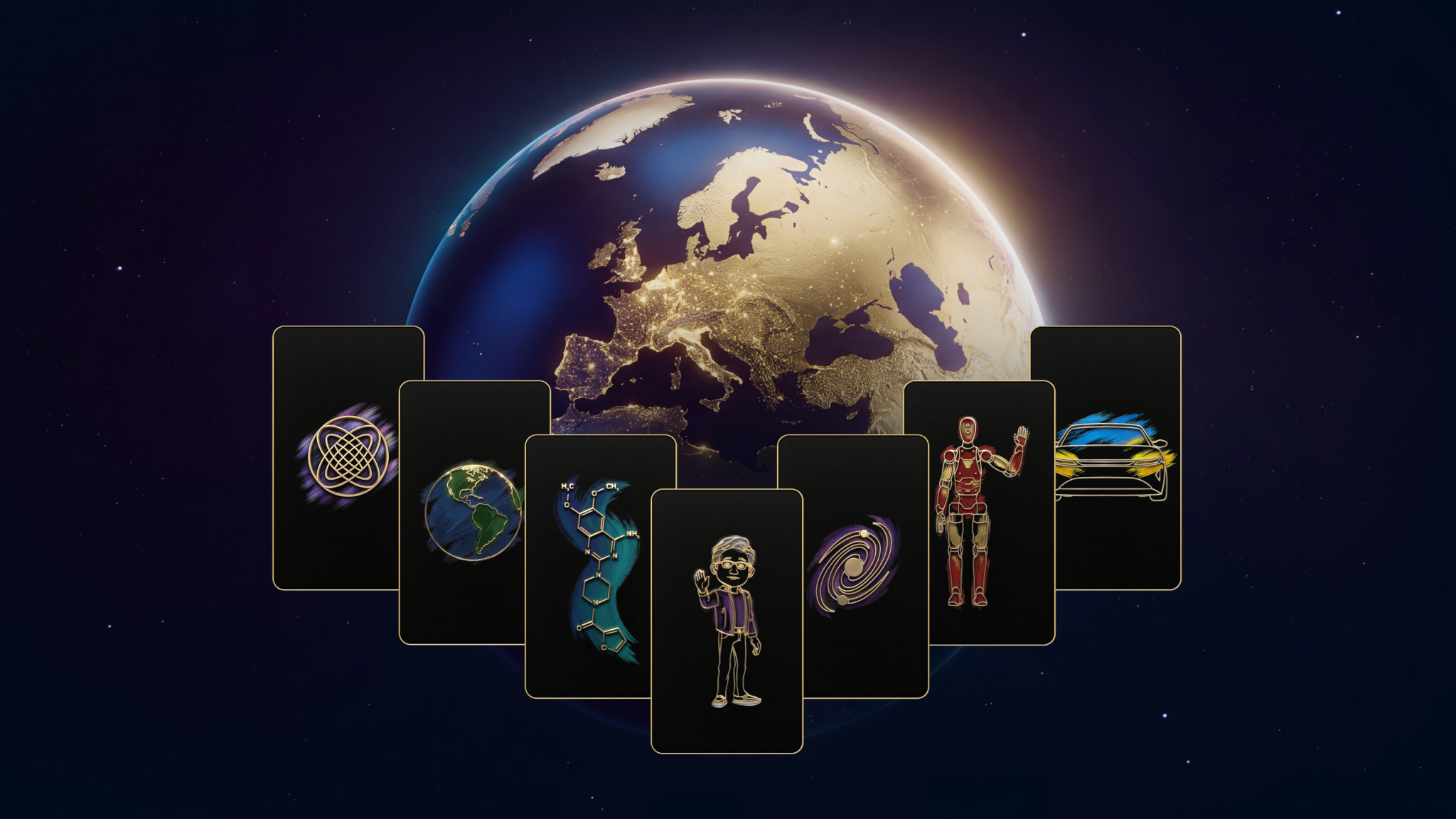
We can do impossible things
The editor of MIT Technology Review's print magazine introduces a new editorial direction focused on exploring "impossible ideas" and audacious experimentation in science and technology. The approach aims to reignite ambition and highlight how cutting-edge research can so…
Intelligence analysis by Gemini 2.5 Flash

The new editor of MIT Technology Review's print magazine outlines a refreshed editorial vision, emphasizing a playful and audacious exploration of seemingly impossible scientific and technological concepts. This shift is driven by a desire to counter global problems with ambitious solutions, reminding readers of technology's core purpose: to improve life and fix past mistakes, even wh…
Imagine a grown-up who writes for a science magazine. She wants to tell stories about really big, tricky ideas that seem impossible, like living on the moon or making special blood. She thinks it's important to dream big and try to solve hard problems, even when things go wrong, because that's how we make life better and safer for everyone.
Analysis
The editor's letter from MIT Technology Review signals a significant shift in the editorial philosophy for its print magazine, aiming to re-energize its focus on ambitious, long-term scientific and technological endeavors. The newly appointed editor, who joined in the spring, is spearheading this transformation, which includes a return to popular features like lists and infographics. This strategic pivot is designed to foster a more audacious and experimental approach to storytelling, moving beyond incremental advancements to explore truly groundbreaking concepts. The underlying motivation is to inspire readers and researchers alike to tackle seemingly insurmountable challenges with renewed vigor.
MIT Technology Review
The venerable publication, MIT Technology Review, is undergoing a deliberate evolution under its new print magazine editor. This change is not merely cosmetic but represents a fundamental re-evaluation of its journalistic mission. The editor describes a personal journey from a "systems thinker" prone to self-limitation to embracing a more daring mindset, which now informs the magazine's direction. The goal is to give "permission to play around and experiment," fostering a spirit of audacity that challenges conventional boundaries in science and technology reporting.
This refreshed editorial stance seeks to leverage the magazine's platform to highlight the most ambitious and potentially transformative research. By showcasing endeavors that push the limits of current understanding, MIT Technology Review aims to reinforce its role as a thought leader in the tech and science landscape. The emphasis is on inspiring a proactive approach to problem-solving, rather than merely documenting progress or setbacks.
2026
The timing of this editorial shift, specifically aiming to conclude 2026 with a series on "impossible ideas," is particularly noteworthy. It reflects a broader sentiment that, amidst a constant barrage of global problems, it is easy to lose sight of grand ambition. The editor articulates a desire to counteract this by focusing on what humanity can achieve, rather than being overwhelmed by what seems insurmountable. This perspective is informed by the editor's prior experience editing a newsletter on individual actions against the climate crisis, an endeavor often dismissed as a "fool's errand."
The year 2026, therefore, becomes a symbolic marker for a renewed commitment to optimism and proactive engagement with complex issues. The editorial team intends to use this period to spotlight the scientists and engineers who embody this spirit, those who "absolutely refuse to give up on even the most daring endeavors." This strategic framing positions the magazine as a beacon of hope and innovation in a world grappling with multifaceted challenges, from environmental crises to ethical dilemmas in emerging technologies.
Impossible Things
The core of this new editorial direction lies in exploring "impossible things," a concept that encompasses a wide array of futuristic and challenging ideas. Examples cited include the prospect of living on the moon, the ambitious goal of uploading human brains, the creation of synthetic blood, and the complex task of decoding animal speech. The article also touches upon more speculative, yet impactful, concepts such as an "AI kill switch," practical nuclear fusion, and room-temperature superconductors, all of which represent significant scientific hurdles.
The rationale behind this focus is multifaceted: it's presented as "a lot of fun to dream," a way to maintain ambition in the face of global problems, and a reminder of technology's fundamental purpose. Technology, the editor asserts, is meant to apply cutting-edge research to make life "better, safer, healthier, even more joyful." Crucially, the editorial also acknowledges instances where technology has gone awry—citing "forever chemicals, traffic deaths, and AI that encourages potentially dangerous user behavior"—and stresses the imperative to "dig back in, assess the damage, and find ways to fix what we’ve broken," even when the repair itself seems impossible. This balanced view underscores a commitment not just to innovation, but also to responsibility and rectification.
Key points
- MIT Technology Review's print magazine is undergoing an editorial refresh under a new editor.
- The new direction emphasizes exploring "impossible ideas" and audacious experimentation in science and technology.
- The goal is to reignite ambition, apply cutting-edge research to improve life, and address technological missteps.
- Examples of "impossible ideas" include living on the moon, brain uploading, synthetic blood, and an AI kill switch.
- The editor stresses the importance of trying and refusing to be told "no" in the face of daunting challenges.
The renewed focus on audacious, "impossible" ideas could inspire a new generation of scientists and engineers to tackle grand challenges, potentially leading to breakthroughs in fields like AI, clean energy, and medicine. By encouraging a mindset of persistent problem-solving, the publication aims to foster innovation and a more hopeful outlook on technology's potential to improve humanity's future.
While inspiring, an overemphasis on "impossible things" might inadvertently distract from more immediate, solvable problems or foster unrealistic expectations about technological solutions. The article itself acknowledges past failures like "AI that encourages potentially dangerous user behavior," suggesting that unchecked ambition without careful consideration of consequences can lead to new challenges.