‘We eat and drink risk’: higher costs bring curtain down on more UK music festivals
More UK festivals are being cancelled or postponed as ticket sales soften and costs for labour, energy and infrastructure rise.
Intelligence analysis by GPT-5.4 Mini
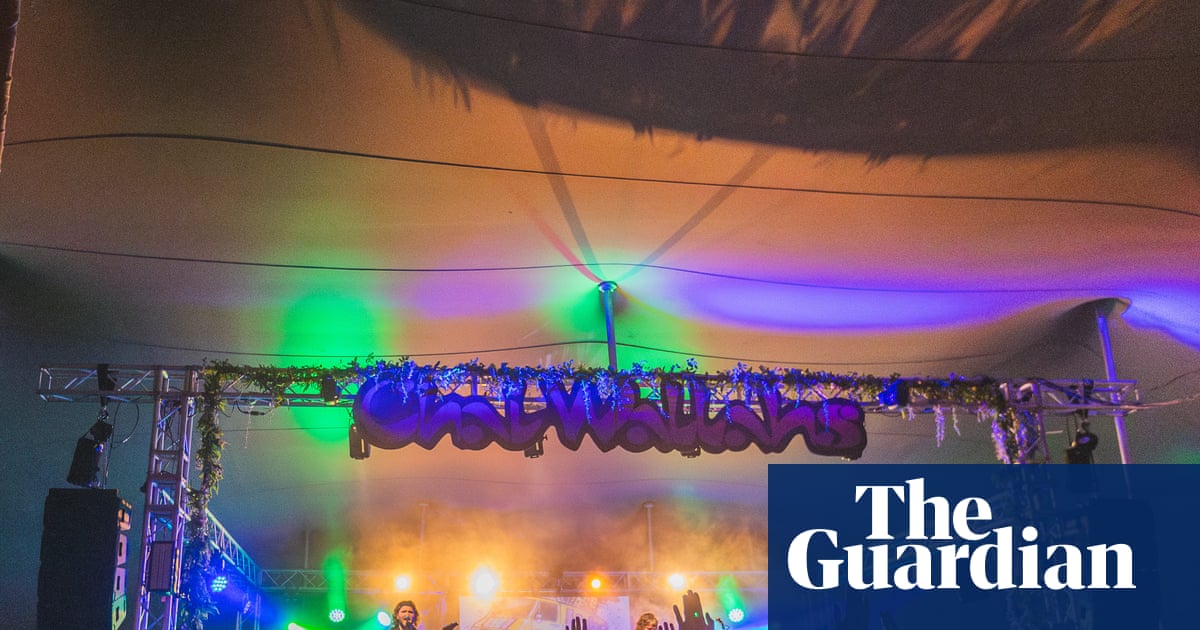
Independent festivals are under strain from higher costs, weaker consumer demand and competition from larger promoters. The Guardian says this has led to cancellations and postponements, even as some operators still see room to recover.
Music festivals are like huge parties that must be planned long before anyone buys a ticket. When food, workers and equipment cost more, and fewer people show up, the party can run out of money before it starts.
Analysis
Pressure on independents
The article describes a difficult summer for small and independent festival organisers in the UK. Events are being hit from several directions at once: consumers are spending more carefully, energy and labour costs have climbed, and ticket buyers are being more selective. Jon Collins of Live says independent organisers “eat and drink risk” because they commit to large costs many months before they know whether sales will cover them.
Cancellations and postponements
Several examples show how that pressure is playing out. Womad Glasgow was cancelled after weak ticket sales, while a planned new event at the Secret Garden Party site was postponed after its organisers said poor sales and higher infrastructure and transport costs made it too risky to proceed. Red Rooster also shut down and entered liquidation, citing higher costs and reduced sales. The article says the festival faced no prospect of refunds.
Costs are rising faster than margins
The Association of Independent Festivals says artist fees have risen sharply over the past five or six years, especially for headline acts, while other operating costs have also moved up. That makes it harder for smaller events to absorb shocks between the time they book artists and the day the gates open. The article contrasts this with large corporate players such as Live Nation and AEG, which have more financial room to carry risk.
A sector still surviving, but fragile
Despite the headline losses, the article notes that this year’s cancellation count is lower than last year’s and that some events are taking fallow years rather than disappearing for good. Still, more than 250 festivals have closed since before the pandemic, and the overall picture is one of tighter margins, stronger competition and less room for error.
Key points
- Womad Glasgow was cancelled after low ticket sales.
- A new festival planned for the Secret Garden Party site was postponed because costs and sales made it too risky.
- Red Rooster shut down and entered liquidation, citing higher costs and reduced ticket sales.
- The AIF says festival margins are now very tight and artist fees have risen sharply.
- Some festivals are taking fallow years rather than closing permanently.
Some festivals may survive by taking fallow years, adjusting budgets, or finding demand that matches their scale. The article also suggests that not every cancellation is permanent, and some events may return next year if conditions improve.
If ticket sales stay weak and costs keep rising, more independent festivals may cancel, postpone or enter liquidation. The article suggests smaller organisers have far less room to absorb shocks than corporate-backed rivals, which could push further consolidation in the sector.