‘We should not have to sacrifice’: New York could become first state to temporarily ban large datacenters
New York lawmakers approved a one-year ban on large datacenters, sending the bill to Gov. Kathy Hochul. Supporters say it would protect water, power and local communities; critics warn it could hurt investment.
Intelligence analysis by GPT-5.4 Mini
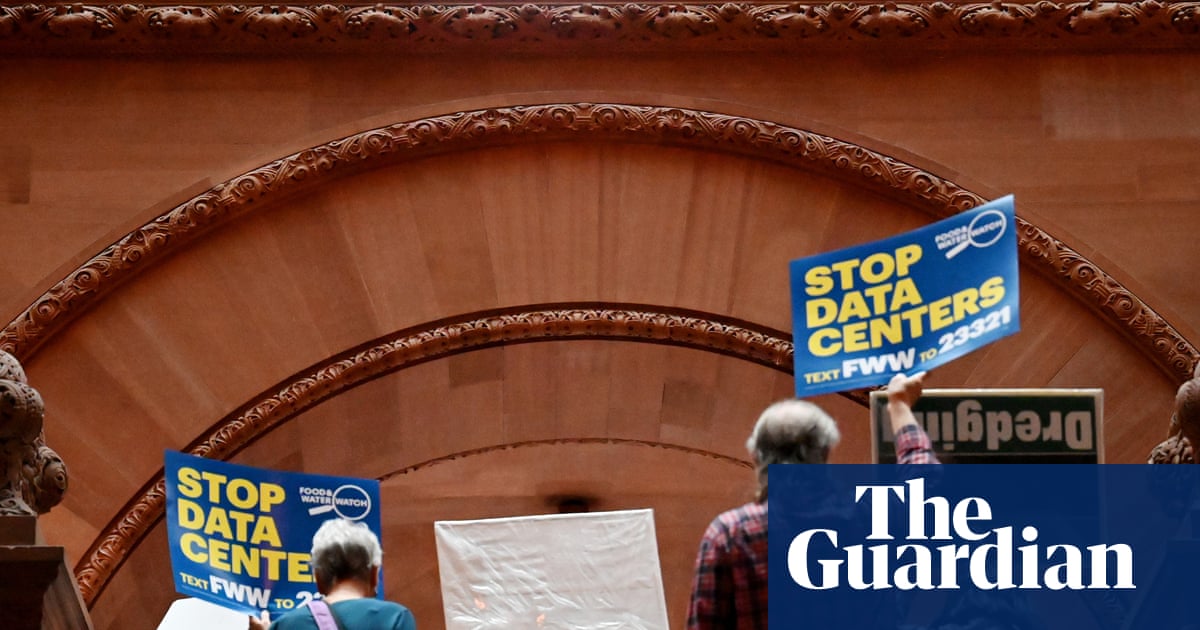
New York is on the verge of becoming the first state to pause new hyperscale datacenters above 20MW. The bill reflects growing backlash over power use, water demand and higher utility costs, while industry groups argue the state is discouraging investment.
New York is thinking about putting a short pause on building giant computer warehouses that use lots of power and water. Supporters want time to check the damage before more are built, while critics say the pause could scare away jobs and money, like stopping a race to look at the road first.
Analysis
What the bill does
New York’s legislature approved a one-year moratorium on new large datacenters, with the measure now waiting on Gov. Kathy Hochul’s decision. The bill targets “hyperscale” facilities over 20MW and would not apply to projects that already have the required state permits, according to state Sen. Kristen Gonzalez, one of the bill’s authors.
The proposal is narrower than the earlier version, which called for a three-year pause before lawmakers reduced it to one year as a compromise. Alongside the temporary ban, the bill would require an environmental impact report covering water and electricity use, plus new labor, energy-efficiency and transparency standards. It also includes ratepayer protections meant to keep energy bills from rising.
Why supporters pushed it
Gonzalez says the state needs time to assess the effect of datacenters on New York’s already constrained and aging grid. She said at least 28 large projects are being reviewed and could add 9,682MW of demand. Supporters argue residents should not have to give up water, energy and green space for projects tied to generative AI.
The pushback
Industry groups and some lawmakers say a blanket pause could discourage investment and undercut economic growth. The Data Center Coalition argues that datacenters support remote work, telemedicine, e-commerce and education, and warns that a statewide moratorium could signal New York is closed for business. Opponents in Albany also said local governments, not the state, should lead the policy response.
The debate fits into a wider national backlash. More than a dozen states have considered similar pauses, and Maine came close before its governor vetoed a temporary ban in April. New York’s vote is the furthest any state has gone so far.
Key points
- New York lawmakers approved a one-year moratorium on new large datacenters and sent it to Gov. Kathy Hochul.
- The bill targets hyperscale datacenters over 20MW and would not affect projects with existing state permits.
- Supporters want environmental reviews, transparency rules and protections against higher electricity bills.
- Critics say the ban could discourage investment and override local control.
- The fight is part of a wider national backlash over datacenter power use, water demand and community impacts.
If the bill becomes law, New York could use the pause to study how datacenters affect power grids, water use and local bills before approving more projects. The extra reporting and ratepayer protections could make future buildouts more transparent and less costly for residents.
If the moratorium is signed, industry groups say it could slow investment and make New York look less friendly to business. It may also delay infrastructure that supports digital services such as remote work, telemedicine, e-commerce and education.