WebQoof Recap: Of Misinformation Surrounding the CJP, PM Modi, and ‘Khan Sir'
The Quint rounds up five viral false claims involving the CJP protest, PM Modi, Khan Sir, Amit Shah, and a Thailand assault video.
Intelligence analysis by GPT-5.4 Mini
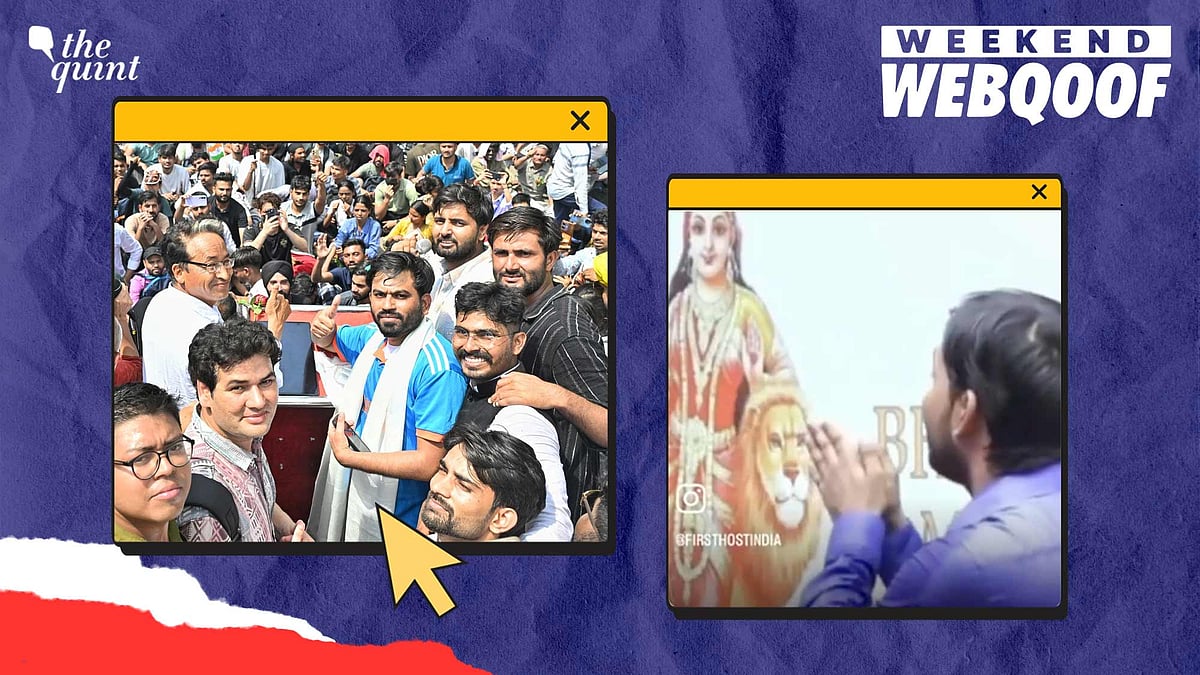
This WebQoof recap bundles five fact-checks from the week, showing how AI rumors, fake graphics, altered videos, and old clips were reused to push misleading claims about Indian politics and public figures.
This story is like checking five wrong messages before they spread. Some used fake captions, some used old videos, and one used a real photo with a made-up story, so the fact-checkers showed what was true.
Analysis
What the recap covers
The Quint’s WebQoof recap pulls together five misinformation claims that circulated during the week of 5 to 12 June. The stories center on public protests, Prime Minister Narendra Modi, educator Khan Sir, Union Home Minister Amit Shah, and a video from Thailand.
The five debunked claims
The first false claim said an image from the Cockroach Janta Party’s protest at Delhi’s Jantar Mantar had been generated by AI to make the crowd look larger. The recap says the image was real and was taken by The Hindu’s Shashi Shekhar Kashyap.
The second claim used a graphic carrying Navbharat Times branding to suggest PM Modi had told women to sell their gold and put the money in banks. The article says both the Press Information Bureau and Navbharat Times called the graphic fake.
A third clip showed Khan Sir speaking about people dividing Hindus and Muslims. It was shared as if it were connected to current controversies, but the recap says the video was from 2021 and unrelated.
The fourth item involved an altered video that appeared to show Amit Shah saying the Joint Awami Action Committee would help India get Pakistan-occupied Kashmir. The recap says the footage was edited and did not show authentic speech.
The fifth claim misused a Thailand assault video and described the victim as an Indian Army officer. The article says the man in the clip was a civilian Indian man, and the video was from January 2026.
The larger pattern
Taken together, the recap shows a familiar misinformation pattern: old clips are recirculated, images are mislabeled as AI-generated, and edited videos are used to attach false political meaning to real events. The common thread is that each claim tries to make a post look more urgent or credible than it is.
Key points
- The recap covers five viral misinformation claims from the week of 5 to 12 June.
- A protest crowd image from CJP was wrongly labeled as AI-generated; the article says it was real.
- A fake graphic falsely attributed a gold-related remark to PM Modi, and both PIB and Navbharat Times called it fake.
- An old Khan Sir video from 2021 was reused out of context amid current controversies.
- An altered Amit Shah video and a mislabeled Thailand assault clip were also debunked.
If fact-checks like these keep reaching readers quickly, fewer people may be fooled by reused clips and fake graphics. That could make online political talk in India a little harder to manipulate.
If the false claims keep spreading faster than corrections, edited videos and old clips can still shape public opinion before the truth catches up. Repeated misinformation can also make people trust less of what they see online.