Weight-loss drug users save more than £400 a year on food as take-up triples
GLP-1 use in Great Britain has nearly tripled to 1.9 million adults, and user households are spending about £418 less on groceries.
Intelligence analysis by GPT-5.4 Mini
A Guardian survey says GLP-1 drugs such as Mounjaro and Wegovy are already changing shopping baskets and restaurant habits. Households with at least one user spent far less on groceries, while retailers are starting to adapt to the new eating patterns.
These medicines make many people feel less hungry, so they buy less food. That means the family shopping basket gets smaller, like when a kid stops asking for snacks at the shop.
Analysis
Spending shifts
Worldpanel by Numerator says GLP-1 use has almost tripled in Great Britain over the last two years, reaching 1.9 million adults. More than 6.3% of households now include at least one user, up from 4.1% in 2025 and 2.3% in 2024.
The research says households with a GLP-1 user spent about £780m less on groceries than expected in the year after starting the drugs. In February, those households bought 299m fewer items, which translated into a £418 drop in grocery spending compared with non-user households.
How habits are changing
The survey suggests the drugs are changing what people want to eat, not just how much they eat. More than half of users described their approach to eating as “mindful,” while 54% said they had fewer cravings and less “food noise.” About 11% said they no longer enjoyed some of their usual favourite foods or drinks.
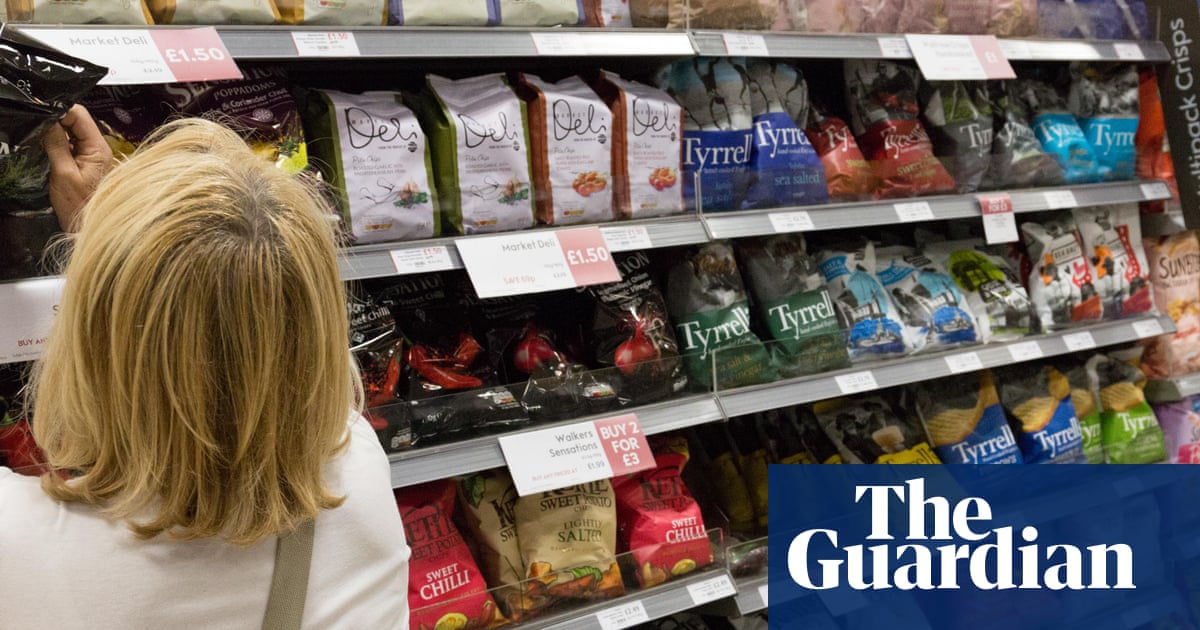
The cutbacks are strongest in snacks and treats: 75% said they ate less chocolate and 72% said they ate less crisps. The survey also found chocolate confectionery spend fell more in GLP-1 user households than in non-user households.
Retail response
The effects are showing up outside the home too. Forty percent of users wanted smaller restaurant portions, and 26% wanted a GLP-1-friendly menu section. Some retailers are already responding: Marks & Spencer has introduced “nutrient-dense” foods, and Ocado has created a virtual “weight management” aisle.
The article also says cost remains a major brake on adoption, with 41% of users reporting that they stopped in 2026 because of price.
Key points
- GLP-1 use in Great Britain has nearly tripled to 1.9 million adults.
- Households with at least one user spent about £780m less on groceries than expected.
- That works out to roughly £418 less spending per user household than non-user households.
- Users reported fewer cravings and cut back on chocolate and crisps.
- Some retailers are beginning to respond with smaller portions and weight-management ranges.
If the trend continues, households using GLP-1 drugs could keep spending less on groceries and feel more in control of eating. Retailers may also adapt with smaller portions and products designed for people who eat less.
The report says cost is already stopping many users, so the trend may not spread evenly. If that continues, the shopping changes may stay limited to wealthier households and create uneven effects across the food retail market.