West Bengal CM Suvendu Adhikari targets 'Azadi' slogans, questions 'Red Salute Kishanji' writing on JU wall
West Bengal Chief Minister Suvendu Adhikari criticized 'Azadi' slogans and the writing of 'Red Salute Kishanji' on Jadavpur University walls, labeling them anti-national.
Intelligence analysis by Gemini 2.5 Flash
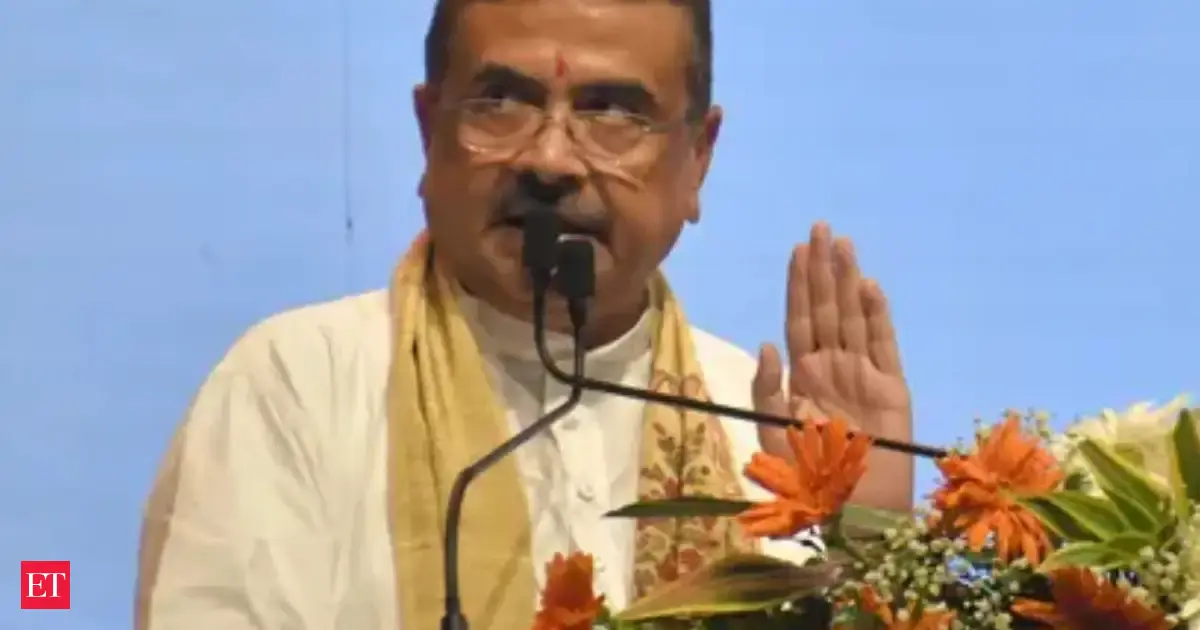
During a Raksha Bandhan event, CM Suvendu Adhikari expressed strong displeasure over 'Azadi' slogans in Kolkata and references to 'Kishanji' at Jadavpur University, asserting that such expressions weaken the country from within and are against the Constitution.
Imagine a school principal who loves their country very much. One day, they see some students writing messages on the school walls and shouting slogans that the principal thinks are against the country's rules and spirit. The principal gets upset and says these messages and shouts are like trying to make the country weak from the inside, even though soldiers protect it from outside. They want everyone to agree on what it means to be patriotic.
Analysis
West Bengal Chief Minister Suvendu Adhikari has launched a sharp attack on what he perceives as anti-national sentiments manifesting in public spaces. His remarks, made during a Raksha Bandhan program in his Bhabanipur constituency, underscore a growing political divide over national identity and dissent within the state. Adhikari's criticism specifically targeted 'Azadi' slogans heard in Kolkata and the presence of 'Red Salute Kishanji' writings on the walls of Jadavpur University, framing these as internal threats to India's sovereignty and constitutional values.
Suvendu Adhikari
Suvendu Adhikari, a prominent figure in West Bengal politics and the current Chief Minister, utilized the occasion of Raksha Bandhan to deliver a strong message on patriotism and national security. He drew a clear distinction between external threats, handled by the armed forces, and what he termed 'anti-national' elements operating within the country. Adhikari's rhetoric suggests a hardening stance against any expression he deems to challenge the nation's integrity, aligning with a broader nationalistic narrative often espoused by his party.
His speech emphasized the sacrifices of freedom fighters and the state's contribution to the freedom struggle, contrasting it with the contemporary slogans he finds objectionable. By questioning the opposition to the complete rendition of 'Vande Mataram' and calling for the removal of internal threats, Adhikari is attempting to rally support around a specific vision of national unity and conformity, while simultaneously challenging dissenting voices.
Jadavpur University
Jadavpur University (JU) found itself at the center of Adhikari's criticism due to the presence of 'Red Salute Kishanji' writings on its walls. The university has historically been a hub for student activism and left-leaning ideologies, often leading to clashes with conservative political narratives. Adhikari's specific mention of JU highlights a recurring tension between political establishments and academic institutions, particularly those known for fostering critical thought and protest movements.
By questioning what is being taught to the 'new generation' at Jadavpur, Adhikari implies that the university might be promoting ideologies detrimental to national interests. This public targeting of an educational institution could be seen as an attempt to influence its academic and political environment, potentially leading to increased scrutiny or pressure on its students and faculty. The university's walls, often used as a canvas for political expression, become a symbolic battleground in this ideological conflict.
Kishanji
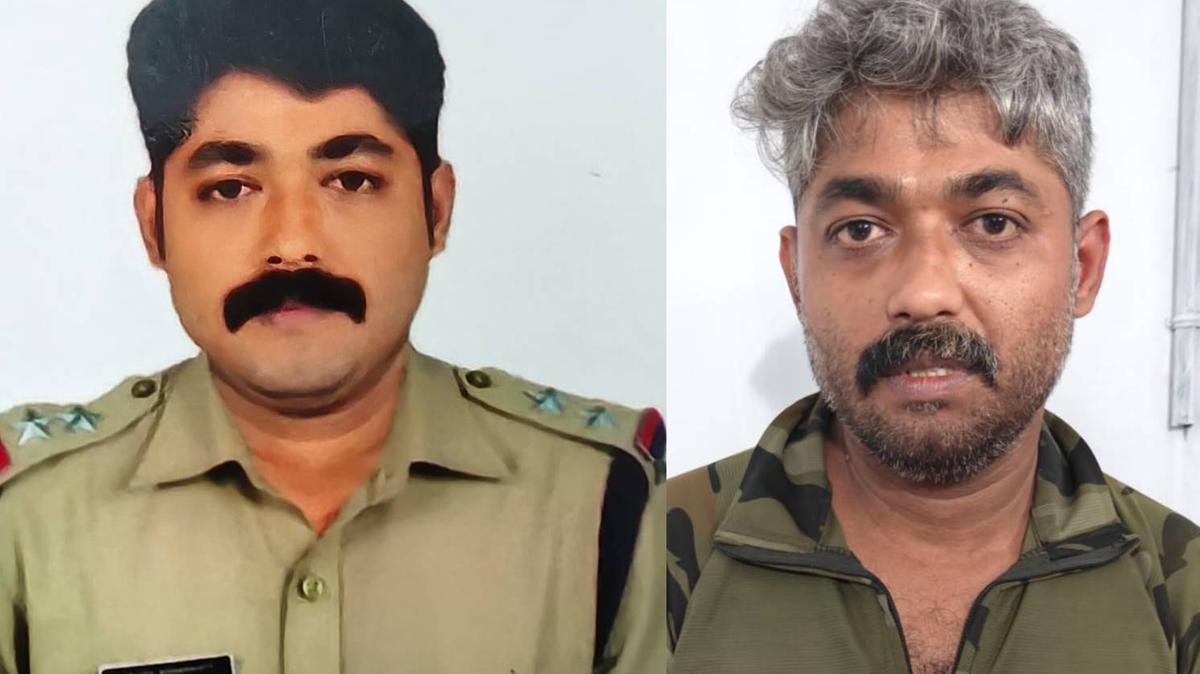
Adhikari specifically questioned the reverence for 'Kishanji,' identifying him as a Maoist leader who advocated for the country's partition and rejected the Constitution. By invoking Kishanji's name, Adhikari aims to associate the 'Red Salute' slogan with anti-constitutional and separatist tendencies. This move serves to delegitimize the ideology represented by Kishanji and, by extension, those who express solidarity with it.
Adhikari's portrayal of Kishanji as someone who called for a boycott of elections further reinforces the narrative that such figures are fundamentally opposed to democratic processes and national unity. This framing is a direct challenge to any group or individual who might view Kishanji as a revolutionary figure, positioning them as adversaries of the state and its foundational principles. The Chief Minister's strong condemnation seeks to draw a clear line between acceptable and unacceptable forms of political expression in West Bengal.
Key points
- West Bengal CM Suvendu Adhikari criticized 'Azadi' slogans and 'Red Salute Kishanji' writings on Jadavpur University walls.
- Adhikari labeled these expressions as 'anti-national' and attempts to weaken the country from within.
- He made these remarks during a Raksha Bandhan program, emphasizing patriotism and the sacrifices of freedom fighters.
- The CM questioned the opposition to the complete rendition of 'Vande Mataram' and called for the removal of internal threats.
- Adhikari identified 'Kishanji' as a Maoist leader who rejected the Constitution and called for country's partition.
The Chief Minister's strong condemnation of 'Azadi' slogans and references to 'Kishanji' could exacerbate political polarization in West Bengal, potentially leading to increased suppression of dissent and further division within society. Such rhetoric might also intensify scrutiny on educational institutions like Jadavpur University, limiting academic freedom and student activism.