What Did Iran Want to Achieve by Attacking Israel?
BBC Urdu argues Iran's strikes were meant to pressure Israel, test Trump, and shape talks with Washington.
Intelligence analysis by GPT-5.4 Mini
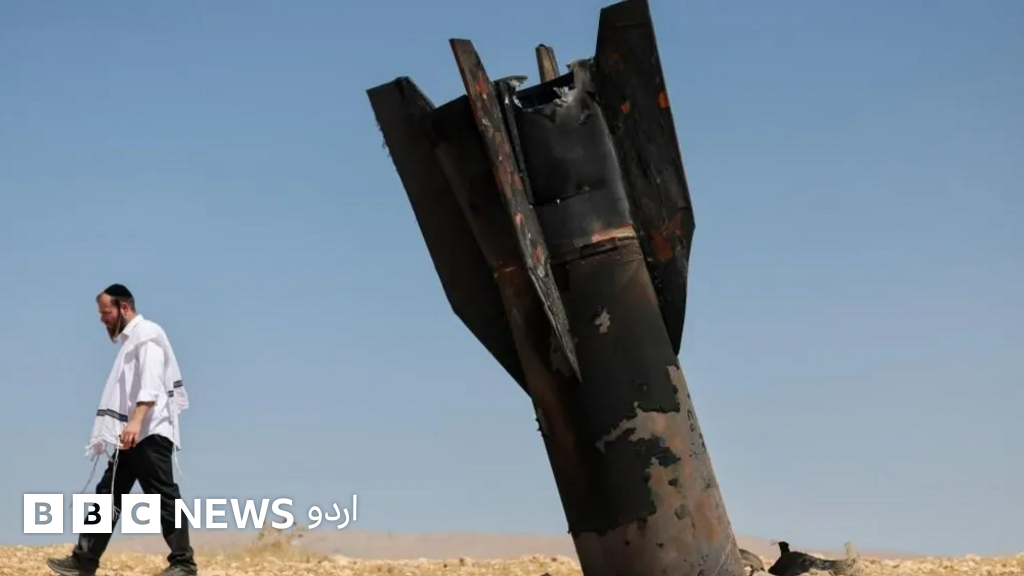
The article says Iran's attacks on Israel were not just retaliation, but also a message to Donald Trump and the U.S. It suggests Tehran wants to widen the gap between Washington and Jerusalem, keep the Lebanon front tied to its own security, and force better terms in nuclear talks.
The article says Iran was not only throwing punches back at Israel. It was also sending a message to America: make a deal, stop the fighting, and do not think Iran will stay quiet. It is like two kids arguing while a bigger kid tries to calm them down, but neither side fully listens.
Analysis
What the article argues
The BBC report says the recent exchange between Iran and Israel exposed how unstable the region remains, even after temporary pauses in fighting. It frames Iran's actions as serving several goals at once: signaling that it can absorb attacks on its own territory, keeping the conflict linked to Israel's war with Hezbollah, and pushing the United States toward a deal on Iran's nuclear program.
Trump, Netanyahu, and Tehran
A central point in the article is that Donald Trump appears unable, or unwilling, to stop Benjamin Netanyahu from acting against Iran. The report says Trump publicly tried to discourage a retaliatory Israeli response, but Israeli jets were already moving by the time he spoke to Netanyahu. That, the article says, likely told Tehran that American and Israeli positions are not fully aligned, which Iran may want to exploit.
Why Iran may have acted
The report says Iran was responding to Israeli strikes, including attacks tied to Beirut, and wanted to show it would not let those actions go unanswered. It also suggests Tehran may be trying to keep the U.S. involved in the wider regional dispute rather than letting Washington treat the Iran issue as separate from the Israel-Hezbollah war.
Nuclear talks and leverage
The article says Trump wants a deal on Iran's nuclear program, but Iran believes he does not want to take bigger risks right now. On that reading, Tehran's pressure campaign is meant to improve its bargaining position and extract better terms at the negotiating table. The report ends by noting that both sides had suggested this round of fighting was over, which is also what Trump wanted.
Key points
- The BBC report says Iran's attacks were meant to do more than retaliate; they also carried a message for the United States.
- The article argues Trump could not stop, or did not want to stop, Netanyahu from responding to Iran.
- Iran appears to want the U.S. and Israel to remain divided, while keeping the Lebanon conflict tied to its broader strategy.
- The report says Tehran is also trying to improve its position in nuclear negotiations with Washington.
- Both sides signaled the latest round of fighting may be ending, but the article says the region remains highly unstable.
If the latest exchange really is over, the immediate risk of direct war could ease. That could leave room for nuclear talks to continue and for the U.S. to keep pushing for a limited, negotiated outcome.
The article says the region remains dangerously unstable, and that Trump may not be able to restrain Netanyahu. If Iran keeps treating Israeli and U.S. actions as part of the same conflict, another round of strikes could derail diplomacy and deepen the wider regional war.