What Do We Know About US Attacks on Transportation Routes in Bandar Abbas?
The US has attacked transportation routes in Bandar Abbas, Iran, causing significant damage. The Iranian government has reported that six bridges were targeted, and several roads and railways were damaged. The US has denied targeting civilians, but the Iranian government …
Intelligence analysis by Llama
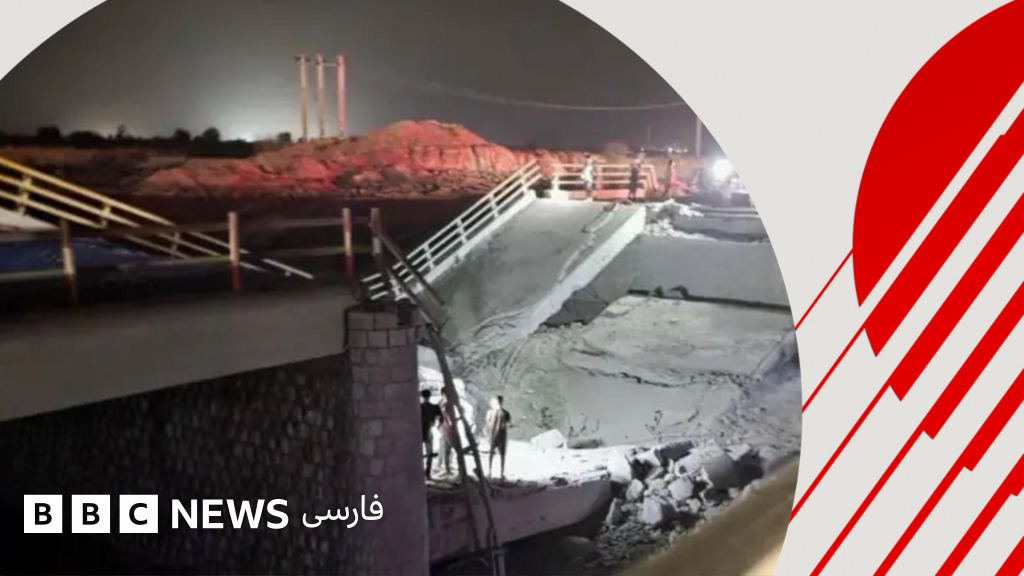
The US has attacked transportation routes in Bandar Abbas, Iran, causing significant damage. The Iranian government has reported that six bridges were targeted, and several roads and railways were damaged. The US has denied targeting civilians, but the Iranian government claims that the attacks have caused significant harm to the local population.
Imagine you're driving on a highway, and suddenly, there's a big explosion that damages the road. That's what happened in Bandar Abbas, Iran, when the US attacked some of the city's transportation routes. The US is trying to hurt Iran's economy by damaging its roads and railways, which makes it hard for people to get goods and services. It's like a big traffic jam, but instead of cars, it's affecting the whole country.
Analysis
A $60B Vote of Confidence
The US attacks on transportation routes in Bandar Abbas have sent shockwaves through the Iranian economy. The city is a crucial hub for trade and commerce, with a significant portion of Iran's oil exports passing through its ports. The damage to roads and railways has disrupted transportation and communication, causing economic losses and affecting the daily lives of residents.
The Iranian government has reported that six bridges were targeted, and several roads and railways were damaged. The US has denied targeting civilians, but the Iranian government claims that the attacks have caused significant harm to the local population. The attacks have also raised concerns about the safety of oil exports and the potential for further disruptions to global trade.
Why the US is Targeting Iran's Economy
The US has been imposing economic sanctions on Iran for several years, with the aim of crippling its economy and forcing it to abandon its nuclear program. The attacks on transportation routes in Bandar Abbas are part of this broader strategy, aimed at disrupting Iran's ability to export oil and other goods. The US has also been trying to isolate Iran diplomatically, and the attacks are seen as a way to further weaken its position.
The Road Ahead
The attacks on transportation routes in Bandar Abbas have significant implications for the local population and the Iranian economy. The damage to roads and railways has disrupted transportation and communication, causing economic losses and affecting the daily lives of residents. The Iranian government has promised to rebuild and restore the damaged infrastructure, but the process will take time and resources. In the meantime, the local population will continue to suffer from the disruptions caused by the attacks.
Key points
- The US has attacked transportation routes in Bandar Abbas, Iran, causing significant damage.
- The Iranian government has reported that six bridges were targeted, and several roads and railways were damaged.
- The US has denied targeting civilians, but the Iranian government claims that the attacks have caused significant harm to the local population.
- The attacks have disrupted transportation and communication, causing economic losses and affecting the daily lives of residents.
- The Iranian government has promised to rebuild and restore the damaged infrastructure.
If the US and Iran can find a way to resolve their differences, the attacks on transportation routes in Bandar Abbas could lead to a more stable and secure region. The US could lift its economic sanctions, and Iran could resume its oil exports, which would benefit both countries and the global economy.
The attacks on transportation routes in Bandar Abbas could lead to a prolonged economic crisis in Iran, which would have far-reaching consequences for the country and the region. The damage to roads and railways could take months or even years to repair, and the local population would continue to suffer from the disruptions.