What does Andy Burnham mean by more ‘public control’ of water and energy? He is too vague
The Guardian says Andy Burnham is tapping public anger over water, but has not defined what stronger public control would actually mean.
Intelligence analysis by GPT-5.4 Mini
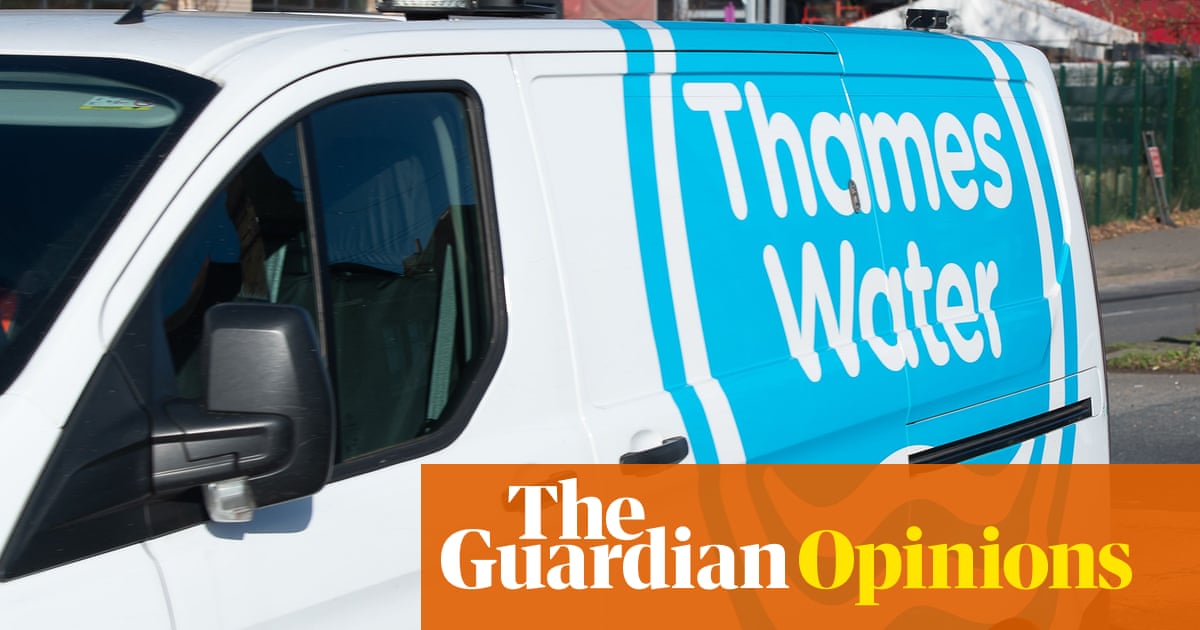
Pratley argues Burnham’s language is too loose to be useful. On water and energy, he says, many of the controls Burnham seems to want already exist or are already being expanded, so the Manchester mayor needs to spell out the concrete policy change he is proposing.
The article says Andy Burnham is talking about giving the public more control over water and energy, but he has not said exactly how. It is like saying a house needs better rules without saying whether to fix the locks, change the landlord, or buy the house.
Analysis
Burnham’s slogan is unclear
The piece argues that calls for “more public control” sound powerful but are vague unless the speaker defines the mechanism. Pratley says public ownership is easy to understand because it means nationalisation, but Burnham appears to be reaching for something different without saying what it is.
Water is where the pressure is
Water is the area where the debate has the most bite, especially because Thames Water remains in trouble. The article notes that creditors have been in talks with Ofwat for about a year over a rescue package that would reduce debt in exchange for new financing and softer treatment on pollution fines. It also says special administration would not automatically amount to lasting public control, because an administrator would still have to protect creditor value and could end up selling to a private buyer.
Burnham has also attacked water companies more broadly, accusing them of profiteering and suggesting United Utilities should cancel a dividend payment and use the money to lower bills. Pratley says that, if a future prime minister tried to block dividends in this way, it would be a major intervention that would affect companies’ ability to raise capital.
Energy is already highly managed
The article’s main pushback is that energy is already heavily directed by the state. It points to the national energy system operator, nationalised in 2024, as well as state-backed contracts for new power projects and Treasury control over which levies sit on bills. It also notes Ed Miliband’s “Mission Control” for the 2030 clean power plan and Ofgem’s role in setting price controls.
Pratley’s conclusion is that Burnham should explain what extra powers he wants beyond the current regulatory direction, or say plainly that he wants nationalisation.
Key points
- The article says Burnham is right to tap public anger over water, but wrong to stay vague about what “public control” means.
- Pratley argues that much of the energy sector is already tightly managed through national bodies, contracts, and regulation.
- Water is presented as the more difficult case, especially because Thames Water is still working through a rescue process.
- The piece says stopping dividends or overriding regulators would be a major political and financial intervention.
- The author wants Burnham to explain how his ideas differ from the government’s existing plans for a new water regulator.
If Burnham’s ideas are clarified, the debate could produce clearer rules for water companies and more honest choices about bills, dividends, and investment. The article suggests current plans already point toward tighter oversight, so a sharper proposal could fit into that direction without needing a full overhaul.
If the language stays vague, the article says it could delay decisions on Thames Water and confuse ministers, regulators, and investors. It could also create uncertainty for companies trying to raise capital, especially if future governments threaten intervention without saying what form it would take.