What does Washington’s latest AI chip guidance mean for Chinese tech firms?
Washington’s new chip guidance targets advanced AI exports to China-linked entities abroad. Lawyers say it may clarify existing controls more than impose a brand-new curb.
Intelligence analysis by GPT-5.4 Mini
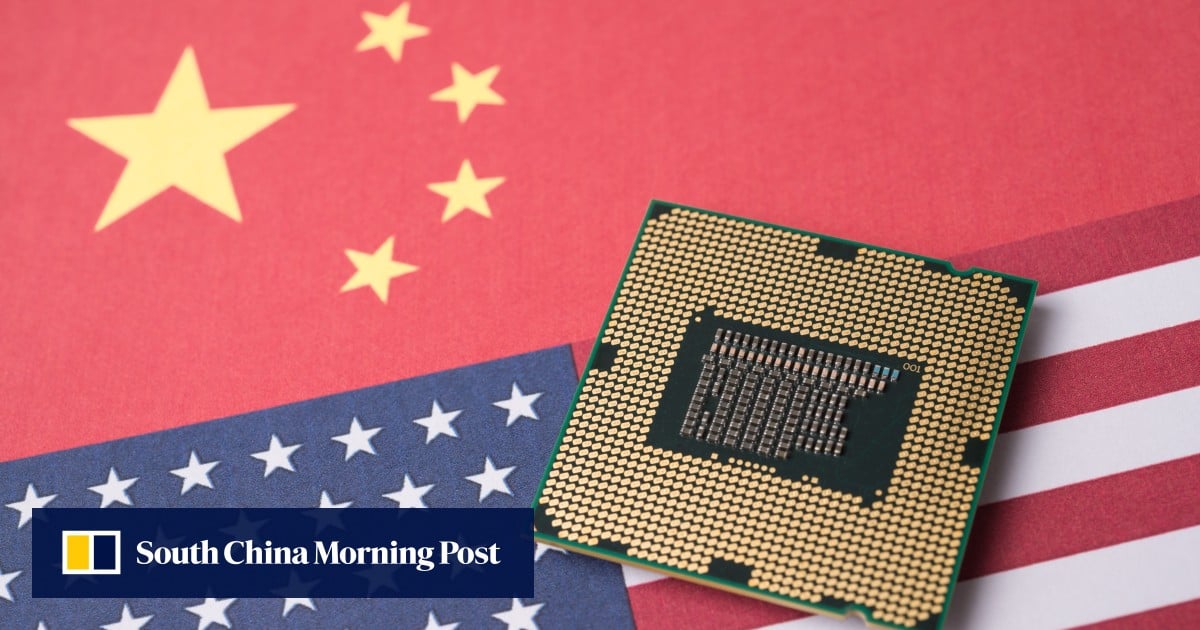
Beijing has condemned the US move as export-control abuse, but trade lawyers and industry insiders say the practical impact may be narrower than the rhetoric suggests. The guidance says licenses are needed for advanced computing exports to entities headquartered in mainland China or Macau, even if they operate overseas.
The US is telling chip sellers to be extra careful about sending powerful AI chips to Chinese-linked companies, even if those companies are working in other countries. It is like adding a stricter passport check for a very important tool.
Analysis
What the guidance says
The US Bureau of Industry and Security issued guidance on May 31 saying licences are required to export advanced computing items to entities headquartered in mainland China or Macau, including cases where those firms operate outside Chinese territory. The article frames this as a tightening of how existing rules are applied, not necessarily a wholly new ban.
Why Beijing is reacting strongly
China’s Ministry of Commerce criticised the move and said the United States was abusing export controls and disrupting the global semiconductor supply chain. That response reflects how sensitive chip access has become in the broader US-China tech dispute.
Why the practical impact may be limited
Trade lawyers and industry insiders quoted in the piece say the real fallout may be smaller than the political reaction suggests. The article says Chinese tech firms have already been blocked from top Nvidia chips at home, so some have shifted to overseas data centres in Southeast Asia to get the computing power needed for training next-generation AI models.
The key takeaway
The article’s central point is that the BIS guidance appears to clarify where licence requirements apply, especially to Chinese-linked entities operating abroad. For Chinese tech firms, that could make overseas chip sourcing harder, but the story suggests the move is more of a regulatory clarification than a sudden new wall.
Key points
- The US BIS said licences are needed for advanced computing exports to entities headquartered in mainland China or Macau, even when they operate abroad.
- China’s Ministry of Commerce condemned the move and accused Washington of abusing export controls.
- Lawyers and industry insiders say the document may be more of a clarification than a brand-new restriction.
- Chinese tech firms have been shifting to Southeast Asian data centres to get the compute they need for AI training.
If the guidance is treated mainly as a clarification, companies and suppliers may adjust without a major shock to the supply chain. That could reduce confusion while still leaving some room for Chinese firms to keep finding legal ways to get computing power.
If enforcement is strict, Chinese tech firms that rely on overseas data centres could find it harder to secure advanced chips. That could slow AI model training and tighten pressure on the broader semiconductor supply chain.