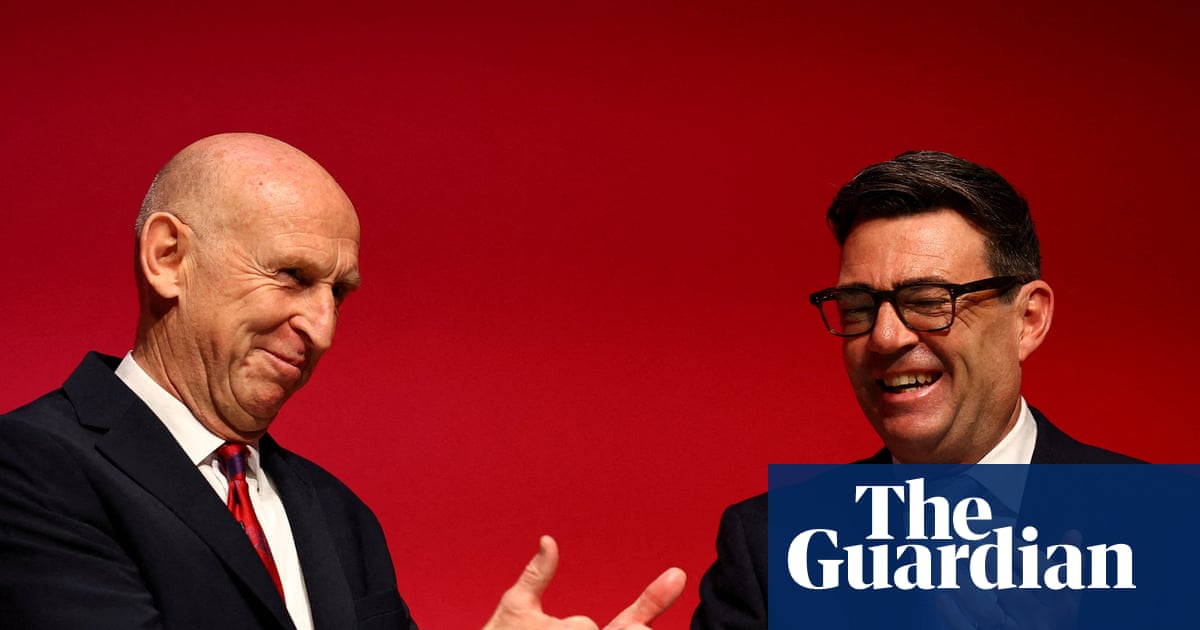
What essentials to keep, what rubbish to get rid of? Burnham, Badenoch, Farage don’t know either
Political figures like Andy Burnham and Kemi Badenoch are discarding past policies, while Nigel Farage's party stockpiles divisive ideas. The article questions their direction.
Intelligence analysis by Gemini 2.5 Flash Lite
As political parties shed unpopular policies and grapple with their legacies, the article questions the direction of figures like Andy Burnham and Kemi Badenoch. Meanwhile, Reform UK appears to be doubling down on divisive rhetoric, raising concerns about the nature of political discourse.
Imagine politicians are cleaning out their closets. Some are throwing away old clothes (policies) they don't like anymore, like Andy Burnham and Kemi Badenoch. But another group, Reform UK, is collecting old, mean ideas, like keeping nasty toys. It's hard to know what they'll wear or play with next!
Analysis
The Political Clear-Out
The current political climate is characterized by a significant shedding of past policy commitments, a phenomenon observed across different political factions. Andy Burnham, representing a shift in Labour's stance, has seen the party abandon its commitment to no new oil and gas drilling in the North Sea, a move that aligns with arguments previously used by the government regarding energy security. This strategic pivot is seen by Kemi Badenoch as a validation of her own arguments, demonstrating a potential convergence on key policy debates. Badenoch herself is engaged in a similar process of discarding what she perceives as burdensome or unpopular elements of her party's recent history, drawing parallels to the difficult task of clearing out unwanted items when moving house.
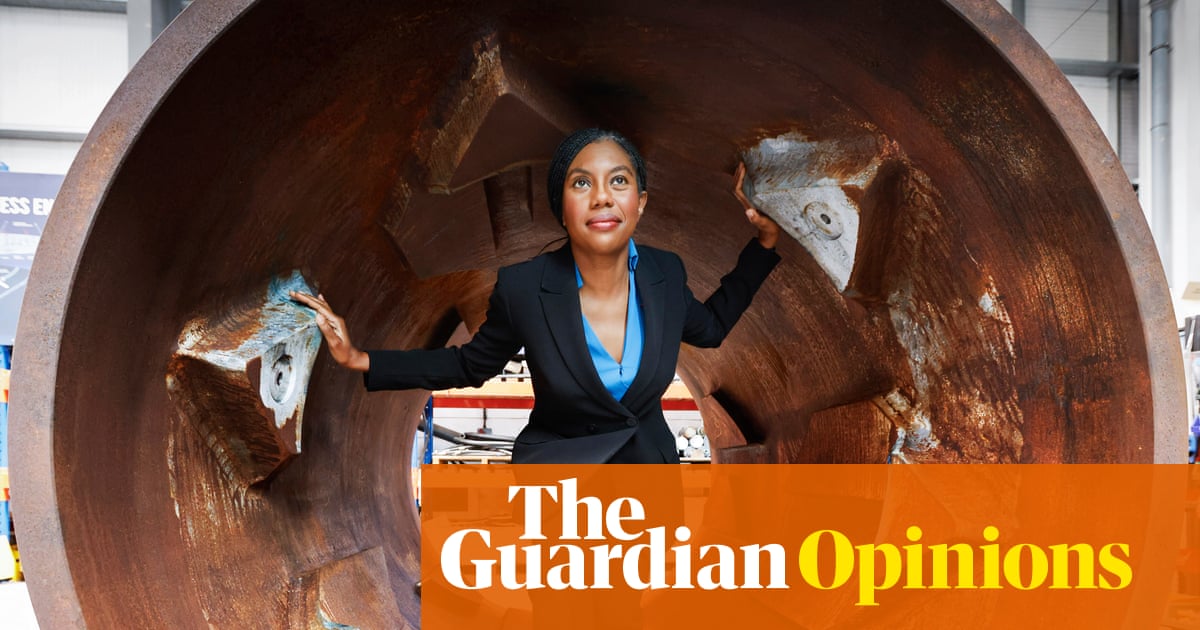
This political 'housekeeping' extends to the disposal of potentially toxic political legacies. Badenoch, for instance, appears to be distancing herself from the previous administration's policies, including those associated with Liz Truss, whose upcoming book is framed as an attempt to deflect responsibility. The article suggests that Badenoch is adopting a similar strategy, disavowing past government actions while highlighting her own disagreements. This process of discarding unpopular or difficult-to-explain policies is creating a clearer electoral battleground, with both Burnham and Badenoch seemingly converging on the debate around Margaret Thatcher's legacy.
Reform UK's Stockpiled Rhetoric
In contrast to the policy jettisoning seen elsewhere, Reform UK is depicted as actively stockpiling divisive ideas, particularly concerning race and identity. The article suggests that the party's internal operations are so scrutinized that it's questionable whether any staff are not undercover reporters. Despite this, the party's messaging, as exemplified by Danny Kruger's recent remarks when introducing Nigel Farage, continues to focus on divisive themes. Kruger's argument that the issue lies with Muslims as a group, rather than individuals, echoes historical prejudices applied to Catholics and Jews, raising concerns about xenophobia and the erosion of trust.
Nigel Farage, while perhaps more politically astute than to make such direct statements himself, benefits from this stockpiled rhetoric. As an election approaches, he may distance himself from such extreme positions, much like he has with Donald Trump. However, the article warns that deeply ingrained 'wrong stuff' can be difficult to purge quickly, drawing a parallel to the Liberal Democrats' struggle to find interest for Ed Davey. This suggests that while parties may attempt to shed unpopular policies, the lingering effects of divisive rhetoric can prove more persistent and harder to dislodge from the political landscape.
The Unclear Path Forward
The current political maneuvering, characterized by the discarding of old policies and the potential amplification of divisive narratives, leaves the future direction of political discourse uncertain. Both Burnham and Badenoch appear to be navigating a path that involves re-evaluating core tenets, with Burnham's Labour party moving away from environmental commitments and Badenoch's Conservatives seeking to distance themselves from past economic missteps. This creates an unusual scenario where the primary debate seems to revolve around historical figures like Margaret Thatcher, rather than a clear vision for the future.
Meanwhile, Reform UK's strategy of accumulating divisive rhetoric, as highlighted by Kruger's comments, presents a different challenge. The article implies that such stockpiled ideas, even if not directly espoused by leadership in the run-up to an election, can still shape public perception and political debate. The comparison to the Liberal Democrats' difficulty in shifting public perception suggests that deeply ingrained political messaging, whether policy-based or rhetorical, can be remarkably resilient, leaving voters with a sense of confusion about the true intentions and direction of the political parties.
Key points
- Andy Burnham's Labour party has abandoned its commitment to no new oil and gas drilling.
- Kemi Badenoch is seen as discarding past government responsibilities and policies.
- Reform UK is accused of stockpiling divisive ideas, particularly concerning race.
- The political debate appears to be converging on the legacy of Margaret Thatcher.
- The article questions the direction and substance of political parties' strategies.
If political figures successfully shed unpopular policies and focus on substantive debates, it could lead to a clearer electoral choice for voters. A more focused political discourse might emerge, allowing for constructive engagement on pressing national issues.
The article suggests a risk that divisive rhetoric, particularly from parties like Reform UK, could become more entrenched in political discourse. This could lead to increased polarization and a further erosion of trust in political institutions.