What follows Kushner’s meetings with al-Hayya and Netanyahu?
U.S. envoy Jared Kushner's recent meetings with Palestinian and Israeli leaders failed to advance a Gaza agreement, primarily due to Israeli electoral calculations and intransigence.
Intelligence analysis by Gemini 2.5 Flash
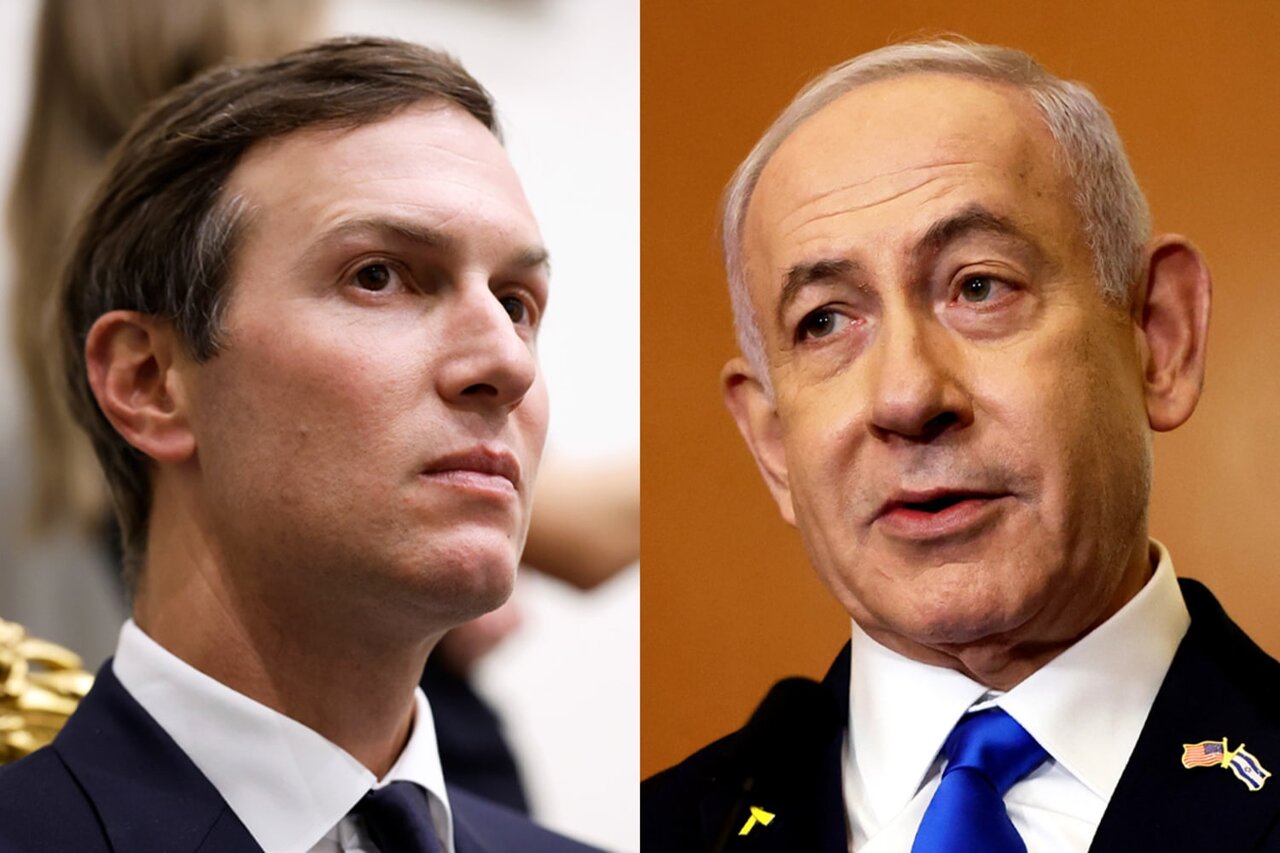
Despite Palestinian acceptance of a 15-point Gaza framework and U.S. pressure, Israeli Prime Minister Netanyahu's focus on upcoming elections and his hardline stance are hindering any breakthrough, leading to a prolonged stalemate in the region.
Imagine two kids, one wants to play by a set of rules they both agreed on, but the other kid, who is also trying to win a popularity contest, keeps changing their mind and won't play by those rules. A grown-up tries to help them agree, but the second kid is more worried about what their friends think than playing fair. So, everyone is stuck, and the game can't start, leaving things messy for a long time.
Analysis
The recent diplomatic efforts by U.S. envoy Jared Kushner highlight a significant impasse in advancing a Gaza agreement, primarily due to Israeli domestic political dynamics. Kushner's meetings with Khalil al-Hayya, head of Hamas's political bureau, and Israeli Prime Minister Benjamin Netanyahu, revealed a stark contrast in positions, with Palestinians accepting a 15-point framework and Israel rejecting it. This stalemate underscores the complex interplay of international pressure, regional security concerns, and internal electoral calculations that continue to define the conflict.
Jared Kushner's Mission
Jared Kushner, acting as the U.S. presidential envoy, engaged in high-stakes diplomacy in Cairo and Tel Aviv, aiming to push forward a crucial Gaza agreement. His discussions with Khalil al-Hayya reportedly left him with a positive impression of the Palestinian stance, which firmly adhered to the existing agreement and refused renegotiation. Al-Hayya explicitly challenged Kushner to pressure the "occupying forces," indicating a shift in the onus of responsibility.
However, Kushner's subsequent four-hour meeting with Netanyahu yielded no substantive breakthrough. The article suggests that despite U.S. efforts, the Israeli prime minister remained rigid, primarily influenced by his domestic political agenda. This outcome demonstrates the limitations of external mediation when internal political pressures dictate national policy.
Netanyahu's Electoral Calculations
The primary obstacle to the Gaza agreement, according to the analysis, is Benjamin Netanyahu's focus on the upcoming Israeli elections and his coalition government's declining prospects. Netanyahu's hardline stance, including his refusal to yield to American pressure, is portrayed as a deliberate strategy to bolster his standing among his extreme right-wing base. This approach prioritizes domestic political survival over international diplomatic consensus.
Netanyahu's objective is clear: either win the election or prevent the opposition from forming a government, potentially leading to a transitional government and new elections. This electoral calculus means he is less concerned with Israel's growing international isolation or deteriorating relationships with allies like the United States and even former President Trump. His actions are framed as a direct response to internal political pressures, making him appear unresponsive to external demands.
Palestinian Strategic Position
The Palestinian delegation has adopted a firm and consistent position, refusing to reopen negotiations on the already agreed-upon framework. This steadfastness is a strategic move to prevent Israel from exploiting ongoing talks as a pretext for continued aggression in Gaza without international criticism. They understand that showing flexibility would likely lead to renewed pressure on them, while Israel would continue its policies unhindered.
The Palestinian side believes that Israel's insistence on dismantling all weapons before any withdrawal or reconstruction is a tactic to evade commitments, potentially leaving Gaza in its current devastated state for years. By holding firm, the Palestinians aim to keep international pressure on Israel, highlighting its rejection of the agreement and its post-October 7 policy of rejecting containment and deterrence, instead seeking to impose a new reality through continued military actions across the region.
Key points
- U.S. envoy Jared Kushner met with Palestinian and Israeli leaders to advance a Gaza agreement.
- Palestinians accepted a 15-point framework, but Israel rejected it, leading to a stalemate.
- Netanyahu's hardline stance is attributed to upcoming Israeli elections and his need to appeal to his right-wing base.
- The Palestinian delegation refuses to renegotiate the agreement, fearing it would allow Israel to continue aggression without criticism.
- Israel's rejection of the agreement aligns with its post-October 7 policy of rejecting containment and seeking to impose a new reality through military actions.
Despite the current stalemate, the fact that no party has an interest in declaring the Gaza agreement entirely dead leaves a slim possibility for future progress. The renewed international censure of Israel, as noted in the article, could eventually exert sufficient pressure to encourage a shift in its position.
The article suggests that Gaza could remain in its current state for many years, as Israel's electoral calculations provide sufficient pretext to evade commitments. This intransigence, coupled with Israel's post-October 7 policy of rejecting containment, risks continued aggression and instability across the region.