What heatwaves mean for summer weddings – and how to plan for one
As heatwaves become more frequent, couples are having to adapt their wedding plans to cope with the extreme temperatures. This includes sourcing fans, booking ice-cream vans, and even changing the date of the wedding. The financial impact on the wedding industry is also s…
Intelligence analysis by Llama
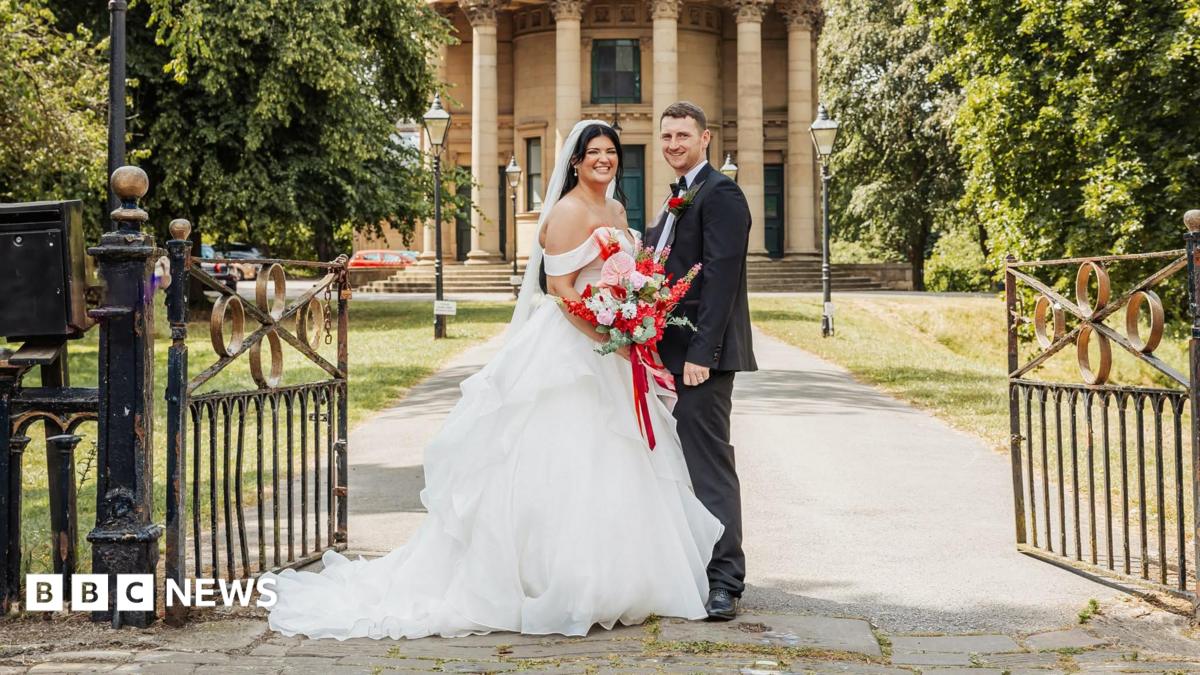
Heatwaves are becoming a major concern for summer weddings, with couples having to adapt their plans to cope with the extreme temperatures. This includes sourcing fans, booking ice-cream vans, and even changing the date of the wedding. The financial impact on the wedding industry is also significant.
Heatwaves are making it hard for people to have weddings in the summer. Couples are having to get fans and ice cream to keep their guests cool. Some people are even changing the date of their wedding to a cooler time of year. This is making it hard for the people who make money from weddings, like venues and people who sell wedding decorations.
Analysis
A $60B Vote of Confidence
The wedding industry is a multi-billion dollar market, with couples spending an average of £20,000 on their big day. However, the increasing frequency of heatwaves is having a significant impact on this industry. Couples are having to adapt their plans to cope with the extreme temperatures, including sourcing fans, booking ice-cream vans, and even changing the date of the wedding. This has significant financial implications, with venues facing equipment and energy costs to keep spaces and food cool. The industry is also seeing a shift in the calendar, with couples opting for later weddings in cooler countries. This is having a ripple effect on the economy, with businesses that supply wedding-related goods and services also feeling the impact. The heatwaves are not only affecting the wedding industry but also the environment, with the increased demand for air conditioning and other cooling measures contributing to greenhouse gas emissions. The industry is also seeing a shift towards more sustainable practices, with couples opting for eco-friendly wedding decorations and venues that offer sustainable options. This is a positive step towards reducing the industry's carbon footprint and mitigating the impact of climate change. However, the industry still has a long way to go in terms of adapting to the changing climate and reducing its impact on the environment.
Why Cursor?
The increasing frequency of heatwaves is a major concern for the wedding industry, with couples and venues having to adapt to extreme temperatures. This has significant financial implications, with venues facing equipment and energy costs to keep spaces and food cool. The industry is also seeing a shift in the calendar, with couples opting for later weddings in cooler countries. This is having a ripple effect on the economy, with businesses that supply wedding-related goods and services also feeling the impact. The heatwaves are not only affecting the wedding industry but also the environment, with the increased demand for air conditioning and other cooling measures contributing to greenhouse gas emissions. The industry is also seeing a shift towards more sustainable practices, with couples opting for eco-friendly wedding decorations and venues that offer sustainable options. This is a positive step towards reducing the industry's carbon footprint and mitigating the impact of climate change.
The Road Ahead
The wedding industry is facing a significant challenge in adapting to the changing climate. Couples and venues are having to adapt to extreme temperatures, with significant financial implications. The industry is also seeing a shift in the calendar, with couples opting for later weddings in cooler countries. This is having a ripple effect on the economy, with businesses that supply wedding-related goods and services also feeling the impact. The heatwaves are not only affecting the wedding industry but also the environment, with the increased demand for air conditioning and other cooling measures contributing to greenhouse gas emissions. The industry is also seeing a shift towards more sustainable practices, with couples opting for eco-friendly wedding decorations and venues that offer sustainable options. This is a positive step towards reducing the industry's carbon footprint and mitigating the impact of climate change.
Key points
- Heatwaves are becoming a major concern for summer weddings, with couples and venues having to adapt to extreme temperatures.
- The financial impact on the wedding industry is significant, with venues facing equipment and energy costs to keep spaces and food cool.
- Couples are opting for later weddings in cooler countries, which is having a ripple effect on the economy.
- The industry is seeing a shift towards more sustainable practices, with couples opting for eco-friendly wedding decorations and venues that offer sustainable options.
- The heatwaves are not only affecting the wedding industry but also the environment, with the increased demand for air conditioning and other cooling measures contributing to greenhouse gas emissions.
If couples and venues can adapt to the changing climate, the wedding industry could become more sustainable and resilient. This could lead to new business opportunities and innovations in the industry. For example, companies could develop new products and services that help couples and venues cope with extreme temperatures, such as cooling systems or sustainable wedding decorations.
If the frequency and severity of heatwaves continue to increase, the wedding industry could face significant financial and operational challenges. This could lead to business closures, job losses, and a decline in the industry's overall health. Additionally, the increased demand for air conditioning and other cooling measures could contribute to greenhouse gas emissions, exacerbating the climate crisis.