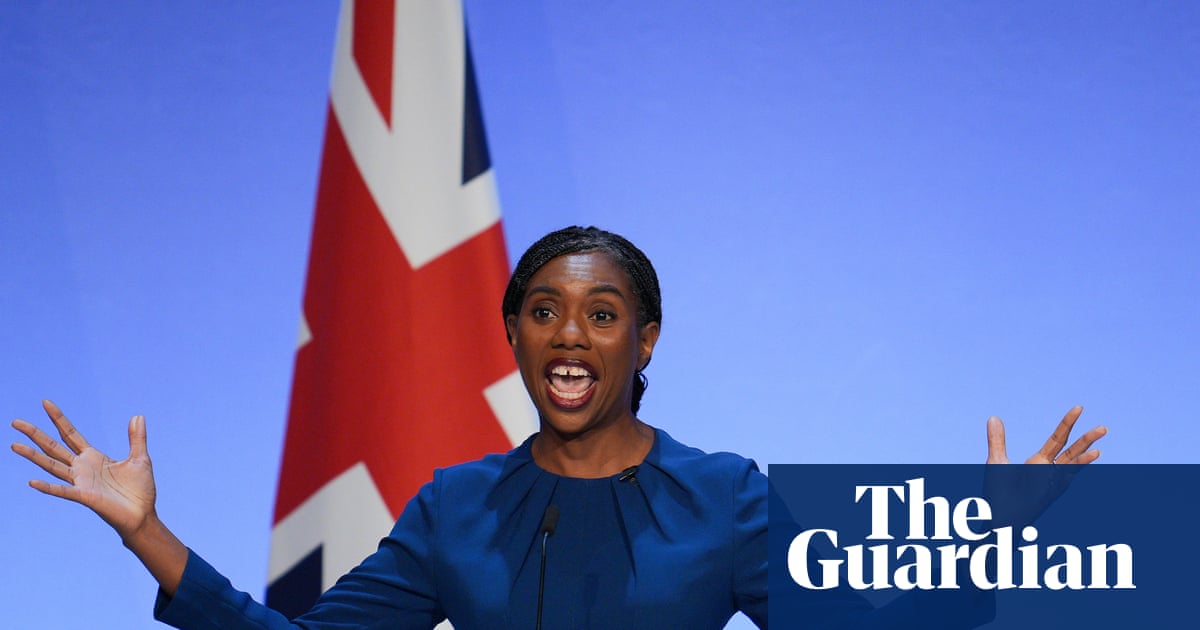
What is the Budget and what could be in it?
Chancellor John Healey will present Labour's first Budget on October 28, balancing household support with fiscal rules amid high borrowing costs. Speculation includes a first-time buyer scheme and potential Capital Gains Tax changes.
Intelligence analysis by Gemini 2.5 Flash

The upcoming UK Budget will outline the government's tax and spending plans, with Chancellor John Healey navigating a challenging economic environment. He must reconcile promises not to raise major taxes with the need to support households and meet defence commitments, all while adhering to strict fiscal rules and facing reduced financial flexibility.
Imagine the government is like a family trying to manage its pocket money. The Budget is when they decide how much money to collect from everyone (taxes) and what to spend it on, like building new houses or helping people buy their first home. It's tricky because they want to help, but also need to be careful not to spend too much or borrow too much, especially when things like oil prices go up because of faraway events.
Analysis
The upcoming Budget, to be delivered by Chancellor John Healey on October 28, represents a critical juncture for the UK economy, as the Labour government navigates a complex fiscal landscape. Healey faces the formidable task of balancing increased support for households and defence spending commitments against pre-election pledges not to raise income tax, National Insurance, or VAT. This challenge is exacerbated by government borrowing costs reaching "historic highs," significantly reducing the fiscal headroom available. The independent Office for Budget Responsibility (OBR) initially projected a £23.6 billion buffer for meeting fiscal rules, but analysts at KPMG now estimate this has shrunk to approximately £12 billion, primarily due to rising borrowing costs. This tight fiscal environment means Healey must consider difficult choices, including potentially accepting a smaller buffer to avoid immediate tax increases, while still adhering to the government's self-imposed rules of not borrowing for day-to-day spending and ensuring government debt falls as a share of national income by the end of the parliament.
John Healey
Chancellor John Healey's inaugural Budget speech on October 28 will outline the Labour government's financial strategy amidst significant economic pressures. His administration is committed to two key fiscal rules: avoiding borrowing for routine public spending by the end of the current parliamentary term and ensuring that government debt decreases as a proportion of national income within the same timeframe. These commitments, coupled with pre-election promises to maintain current rates for income tax, National Insurance, and VAT, severely constrain the government's options for revenue generation.
The fiscal headroom, which is the amount of money available to meet these rules, has reportedly diminished considerably. While the OBR had previously identified a £23.6 billion gap, this figure is now estimated by KPMG analysts to be closer to £12 billion, largely due to the escalating costs of government borrowing. This reduction in flexibility forces Healey to consider politically sensitive decisions, such as potentially accepting a narrower margin against the fiscal rules, to avoid implementing unpopular tax hikes in the immediate term.
Your First Home
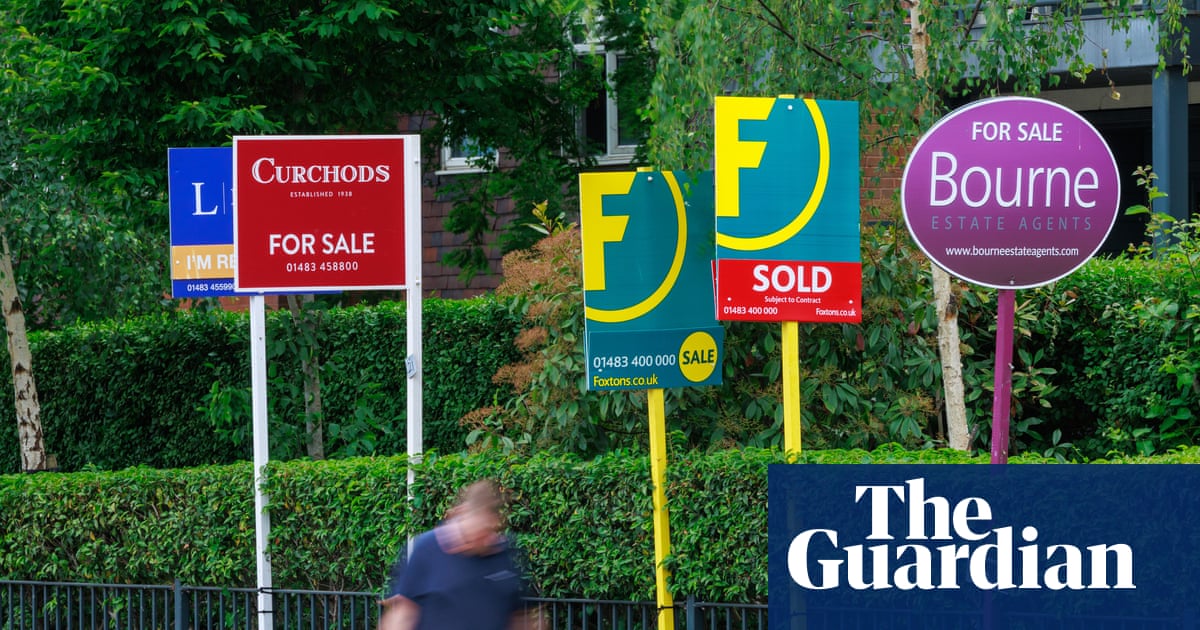
A significant policy expected to be detailed in the Budget is the "Your First Home" scheme, designed to assist first-time buyers in England. This initiative aims to make property ownership more accessible by reducing the upfront financial burden. Under the proposed scheme, eligible individuals would be able to purchase a new-build home with a deposit as low as 2.5% of the property's value.
Crucially, the government would provide a loan equivalent to 20% of the property's value, directly contributing to the purchase price. This mechanism is intended to bridge the affordability gap for many aspiring homeowners, particularly in a challenging housing market. The scheme's success will depend on its uptake and its ability to genuinely alleviate the financial strain on first-time buyers without inadvertently inflating property prices further.
Strait of Hormuz
The broader economic context for the Budget is heavily influenced by global geopolitical events, particularly the US-Israel war with Iran, which has led to the effective closure of the Strait of Hormuz. This vital waterway, critical for international oil and gas trade, has seen disruptions that have directly translated into a sharp increase in global oil prices. The surge in crude oil costs has subsequently fed into higher energy and fuel prices across the UK economy.
These elevated energy costs are a primary driver of persistent inflation, which reached 3.1% in the year to August, exceeding the Bank of England's 2% target. Despite the UK economy showing "relatively robust" growth in the first half of the year, economists anticipate a slowdown in the coming months as these higher costs continue to impact household budgets and business operations. The Bank of England has maintained interest rates at 3.75% but has indicated a willingness to raise them further if high energy prices persist, underscoring the direct link between geopolitical tensions and domestic monetary policy.
Key points
- Chancellor John Healey will deliver Labour's first Budget on October 28, outlining tax and spending plans.
- The government faces a balancing act between supporting households and adhering to fiscal rules without raising major taxes.
- Fiscal headroom for meeting spending targets has reportedly shrunk from £23.6bn to an estimated £12bn due to rising borrowing costs.
- New details are expected on the 'Your First Home' scheme, offering a 2.5% deposit and a 20% loan for new-build properties.
- The UK economy grew by 0.6% in Q1 and 0.4% in Q2, but inflation remains high at 3.1% due to energy price shocks from the Strait of Hormuz closure.
The 'Your First Home' scheme could significantly boost homeownership for first-time buyers in England, stimulating the housing market. Despite global energy shocks, the UK economy has shown resilience, with stronger-than-expected growth in recent months, suggesting it could weather ongoing challenges.
The shrinking fiscal headroom and high government borrowing costs could force difficult choices, potentially leading to less support for households or a failure to meet fiscal targets. Persistent high energy prices, exacerbated by geopolitical tensions, are expected to slow UK economic growth and keep inflation above target, impacting living standards.
Market signals
- OIL The effective closure of the Strait of Hormuz, a key waterway for oil and gas trade, caused a sharp jump in oil prices.
AI-generated analysis of potential market relevance. Not financial advice.