What is the history of the Indus River that has seen the rise and fall of many civilizations?
The Indus River has a rich history that spans thousands of years, passing through various civilizations and empires. From its origins in the Tibetan Plateau to its confluence with the Arabian Sea, the Indus River has played a crucial role in shaping the geography and cult…
Intelligence analysis by Llama
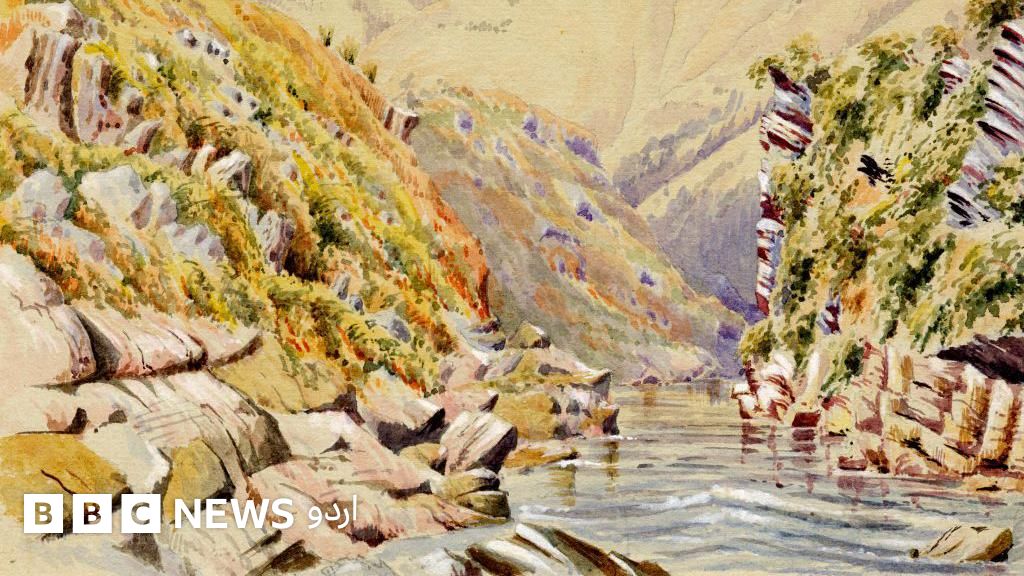
The Indus River has a complex history, with its course changing over time due to geological events. It has been a lifeline for many civilizations, including the Indus Valley Civilization, and has played a significant role in shaping the culture and geography of the region.
The Indus River is a very old river that has been around for thousands of years. It has changed its course many times and has played a big role in shaping the culture and geography of the region. The river is very important for the people who live along its banks because it provides them with water and fertile land for farming. However, the river can also be very unpredictable and cause problems for the people who live along its banks.
Analysis
A River of History and Culture
The Indus River has a rich and complex history that spans thousands of years. From its origins in the Tibetan Plateau to its confluence with the Arabian Sea, the Indus River has played a crucial role in shaping the geography and culture of the region. The river has been a lifeline for many civilizations, including the Indus Valley Civilization, which flourished around 4000 BCE.
The Indus River has undergone significant changes over time due to geological events. Around 50 million years ago, the river's course changed, and it began to flow towards the Arabian Sea. This change had a profound impact on the region's geography and culture. The river's new course created a fertile plain that supported the growth of agriculture and urban centers.
The Indus River has also played a significant role in shaping the culture of the region. The river's annual floods brought nutrient-rich silt that made the surrounding land suitable for agriculture. This led to the development of sophisticated irrigation systems and the growth of cities like Mohenjo-Daro and Harappa.
The Indus River's history is also marked by its role in the rise and fall of empires. The river's fertile plains and abundant water resources made it an attractive location for many civilizations. However, the river's unpredictable nature and frequent floods also made it a challenging place to live. The river's history is a testament to the resilience and adaptability of the people who lived along its banks.
A River of Contrasts
The Indus River is a river of contrasts. On one hand, it is a lifeline for many communities in the region, providing water and fertile land for agriculture. On the other hand, it is also a source of conflict and competition for resources. The river's annual floods can be devastating, causing widespread damage and displacement.
The Indus River's history is also marked by its role in the development of science and technology. The river's unique geography and climate have led to the development of innovative solutions for irrigation and water management. The river's history is a testament to the ingenuity and creativity of the people who lived along its banks.
A River of the Future
The Indus River is a river of the future. As the world grapples with the challenges of climate change and water scarcity, the Indus River offers valuable lessons for sustainable water management. The river's history is a reminder of the importance of preserving and protecting our natural resources for future generations.
The Indus River's future is uncertain, but one thing is clear: it will continue to play a vital role in shaping the culture and geography of the region. As we look to the future, it is essential to learn from the river's history and work towards sustainable solutions for water management.
Key points
- The Indus River has a rich and complex history that spans thousands of years.
- The river has undergone significant changes over time due to geological events.
- The Indus River has played a significant role in shaping the culture and geography of the region.
- The river's annual floods bring nutrient-rich silt that makes the surrounding land suitable for agriculture.
- The Indus River's history is a testament to the resilience and adaptability of the people who lived along its banks.
If the Indus River continues to play a vital role in shaping the culture and geography of the region, it could lead to the development of innovative solutions for sustainable water management. This could have a positive impact on the environment and the people who live along the river's banks.
If the Indus River's course continues to change due to geological events, it could lead to the displacement of communities and the loss of fertile land for agriculture. This could have a negative impact on the environment and the people who live along the river's banks.