What National Audit Office report reveals about royals’ property affairs
The NAO report details how several royals’ housing is paid for, including private funding, peppercorn rents and public upkeep.
Intelligence analysis by GPT-5.4 Mini
The NAO report on Andrew Mountbatten-Windsor’s subletting also maps the housing arrangements of other royals, showing a mix of private funding, peppercorn rents and public money for palace upkeep.
The article is about who pays for different royals’ homes. Some pay rent themselves, some get help from King Charles, and some homes are partly kept up with public money, like a shared house with many bills.
Analysis
What the report shows
The National Audit Office findings went beyond Andrew Mountbatten-Windsor’s private income from subletting cottages on the Royal Lodge estate. They also set out how other members of the royal family live in Crown Estate or palace properties, and who ultimately pays.
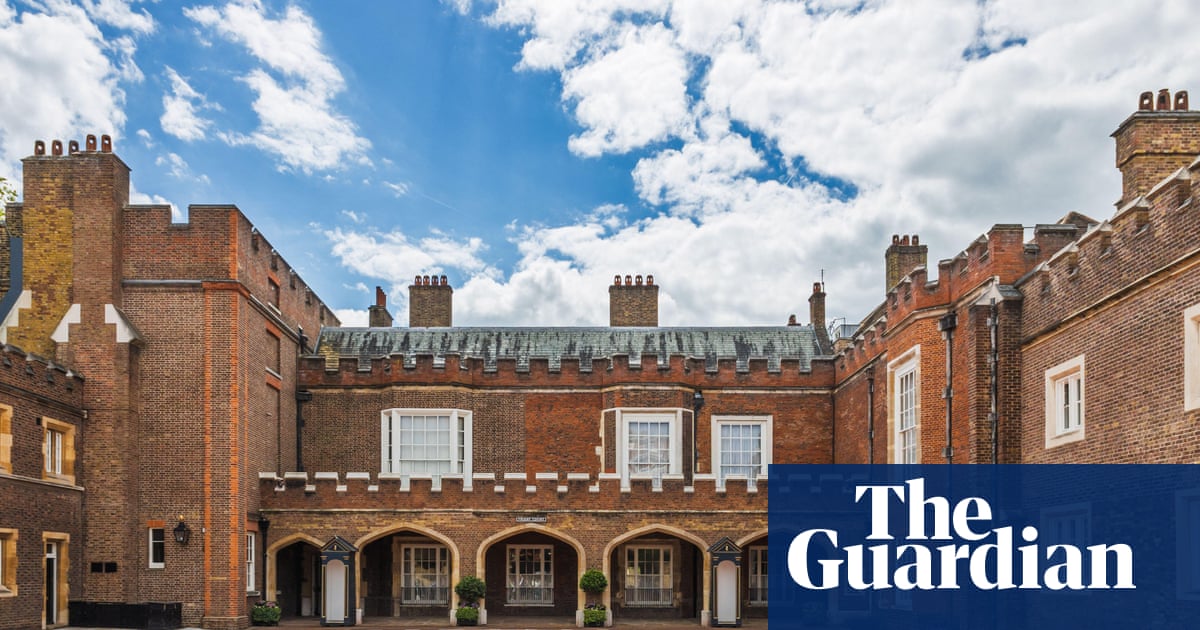
Princess Beatrice and Princess Eugenie, described as non-working royals, live in royal palaces while King Charles pays their rents from his private Duchy of Lancaster income. The article says Beatrice’s St James’s Palace apartment and Eugenie’s Ivy Cottage are charged below open-market value because the homes sit behind security cordons and require vetting. The piece adds that the sovereign grant covers upkeep and operational costs for occupied royal palaces, but sources say Charles’s payments offset publicly funded spending.
The Duke and Duchess of Edinburgh have a different arrangement. They hold a long lease on Bagshot Park with a large upfront payment and a peppercorn rent, and the article says they were entitled to sublet parts of the estate. That generated private income until 2020 from the stable complex. They also have a rent-free apartment at St James’s Palace in return for carrying out royal duties.
The Prince and Princess of Wales pay a reported £307,200 annual rent on Forest Lodge and cover internal refurbishment costs themselves, while the Crown Estate paid for repairs before they moved in. The article also notes their other homes, including a rent-free Kensington Palace apartment and Anmer Hall on the Sandringham estate.
Other examples include Prince and Princess Michael of Kent, whose Kensington Palace rent is privately funded by Charles, and Princess Alexandra, who pays ground rent on a Richmond Park lodge. The overall picture is one of layered arrangements: some private, some subsidised, and some tied to royal duties.
Key points
- The NAO report extends beyond Andrew Mountbatten-Windsor to other royal property arrangements.
- King Charles pays the rents for Princess Beatrice and Princess Eugenie from his private income.
- The Duke and Duchess of Edinburgh have benefited from subletting part of their Bagshot Park estate.
- The Prince and Princess of Wales pay a large annual rent on Forest Lodge and fund internal refurbishment themselves.
- Several other royal households still rely on long-standing, privately funded or subsidised housing deals.
If the arrangements are kept under regular review, the royal family can keep housing costs clear and avoid extra pressure on the sovereign grant. The report also shows that some rents and reimbursements already offset public spending on palace upkeep.
The downside is that the mix of private funding, discounted rents and public upkeep can look opaque and invite criticism. The report also revives questions about whether some royals are getting unusual property advantages compared with ordinary tenants.