What will humans eat if all crops are destroyed?
An Arctic seed vault in Norway stores crop samples to back up the world's food supply if disasters wipe out harvests.
Intelligence analysis by GPT-5.4 Mini
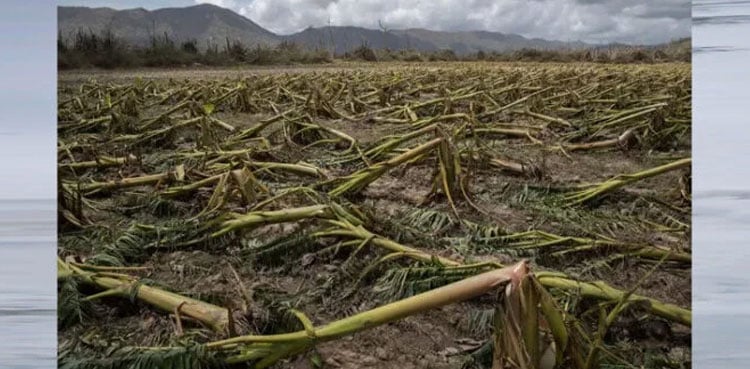
ARY News says the Svalbard Global Seed Vault in Norway acts as a backup for global agriculture, storing millions of seed samples from around the world. The piece frames it as a safeguard against climate shocks, conflict and other emergencies that could damage food production.
It is like keeping spare keys for a house in a safe place. If a fire or flood ruins the main keys, the spare ones help open the door again. The seed vault does the same for crops, saving seeds so farms can be rebuilt later.
Analysis
A backup for the world's crops
The article describes the Svalbard Global Seed Vault, a facility built inside a mountain in Norway's Arctic region. It stores seeds from thousands of crop varieties gathered from countries around the world, including staple crops such as wheat, rice and maize.
The point of the vault is not day-to-day farming. It is an emergency reserve for gene banks, so crop material can be recovered if local collections are lost in disasters, conflict, pandemics or other major disruptions. The article says the vault is often called the "Doomsday Vault" because of that role.
Why the location matters
According to the article, Svalbard's natural cold gives the seeds a better environment for long-term storage. The site is also engineered to handle extreme events such as earthquakes and flooding. That makes it a protective archive for agricultural diversity.
The story's larger message is that the vault is a safety net, not a substitute for prevention. The article says experts still see climate change and ecosystem protection as the real long-term answer to food security. In other words, preserving seeds can help recover from loss, but it cannot replace stable growing conditions or healthy farms.
For readers in Pakistan, that framing connects directly to climate pressure, crop resilience and the need to protect agricultural diversity before emergencies force a recovery effort.
Key points
- The Svalbard Global Seed Vault stores crop seeds in Norway's Arctic.
- It is designed as a backup for gene banks and food security.
- The vault holds seeds from staple crops such as wheat, rice and maize.
- Experts say protecting ecosystems and addressing climate change remains the real long-term solution.
If the vault works as intended, lost crop varieties can be restored after disasters. That gives countries a better chance of rebuilding food systems instead of starting from scratch.
The vault only helps after a loss has already happened, so it cannot stop climate damage, war or disease from hurting farms in the first place. If ecosystems keep worsening, the need for emergency seed recovery could grow faster than recovery efforts can keep up.