What’s gone wrong at Everyman and can the luxury cinema chain regain its magic?
Everyman is under pressure from rivals, losses and debt as a new interim chief executive freezes expansion and looks for a turnaround.
Intelligence analysis by GPT-5.4 Mini
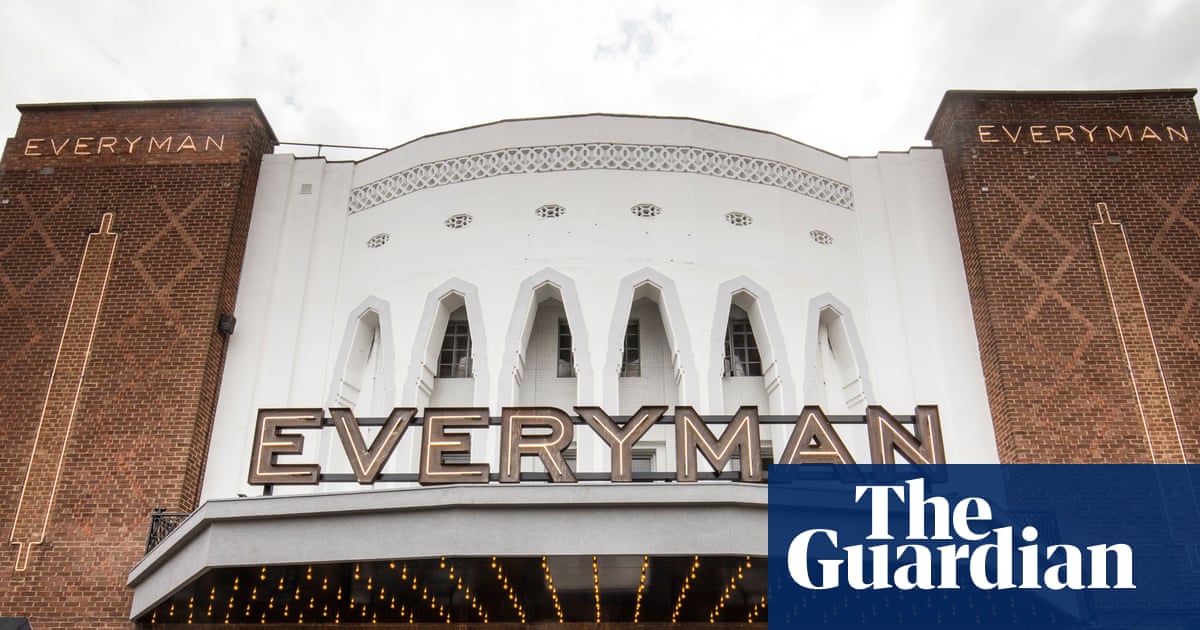
Everyman, once the premium cinema pioneer, now faces heavier competition, mounting losses and a stalled expansion model. The question is whether Farah Golant can reset the business without losing the brand appeal that made it distinctive.
Everyman is a fancy movie place that used to feel special. It had comfy seats, nice food and a treat-like feel, so many people liked it.
Now other cinemas have copied the idea, so Everyman is no longer the only fancy option. At the same time, fewer people have been going, and the company has been losing money and owing more.
The new boss is trying to fix things by stopping new openings for now and making the business work better. It is like a shop that grew too fast and now has to tidy up the messy parts before it can grow again.
Analysis
What went wrong
Everyman built its brand by turning cinema into a premium outing, with sofas, food and drinks, and a curated atmosphere. That formula helped it grow from one Hampstead venue to 49 sites, but rivals such as Odeon and Vue have now copied elements of the premium offer. The Guardian says the company has lost its edge while the wider film market has also been hit by Covid disruption, Hollywood strikes and an uneven slate of hits.
The financial picture is weak. Everyman has recorded more than £56m in pre-tax losses over the past six years, has not made a pre-tax profit since 2019, and has continued to carry debt. The article says some locations have underperformed and the company has booked more than £6m in impairment charges over the last three years after concluding future cash flows did not justify the assets on the books. Its market value is now about £32m, roughly where it stood at flotation in 2013.
What the new leadership is trying
Farah Golant, appointed interim chief executive after Alex Scrimgeour’s abrupt exit, has frozen expansion to focus on debt reduction. Analysts quoted in the piece say possible fixes include pre-ordering, better kitchen efficiency and a stronger membership push. The membership base grew 18.5% last year to 67,000. Golant also argues Everyman can appeal to gen Z, who may value real-world experiences over streaming at home.
The article frames this year as a test of whether Everyman still has enough brand equity to justify its premium positioning. Investors have so far welcomed the reset, but the turnaround depends on improving unit economics, not just opening more sites.
Key points
- Everyman built a premium cinema model, but rivals have copied parts of it and competition has intensified.
- The company has posted more than £56m in pre-tax losses over six years and has not made a pre-tax profit since 2019.
- Farah Golant has taken over as interim chief executive and frozen expansion to focus on debt reduction.
- Analysts think the turnaround could include better food ordering, more efficient kitchens and a stronger membership push.
- The article says the chain may still have brand appeal, especially with younger audiences seeking in-person experiences.