What's happening to UK fuel and petrol prices?
UK fuel prices have risen after Middle East conflict disrupted oil flows, with petrol near 160p a litre and more pressure possible if oil stays high.
Intelligence analysis by GPT-5.4 Mini
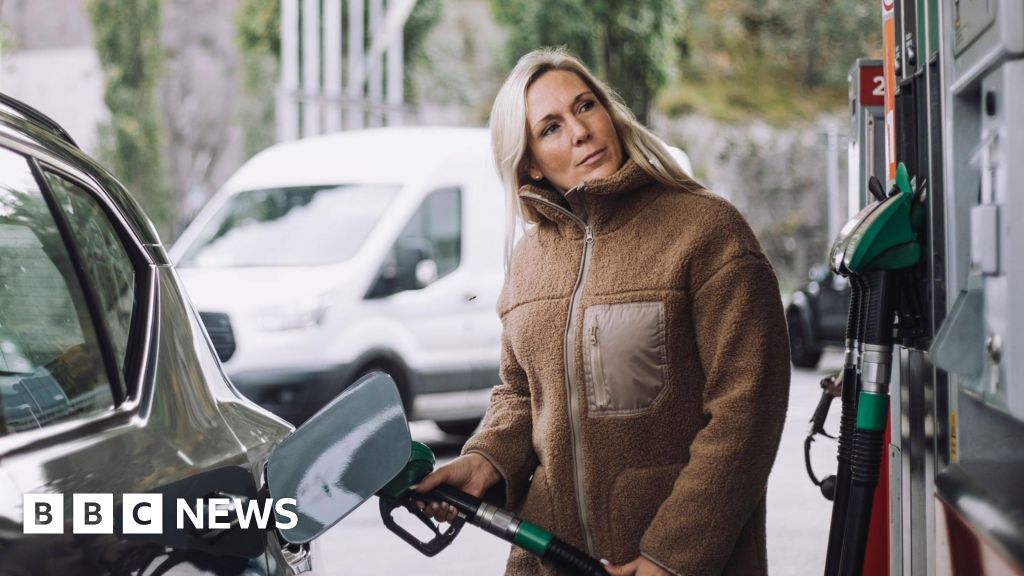
UK motorists are paying more at the pump because wholesale oil prices jumped after the Middle East conflict disrupted supply. The BBC says petrol and diesel could stay elevated if the Strait of Hormuz remains constrained and oil prices do not ease.
Gasoline and diesel cost more when the world price of oil goes up. The BBC says fighting in the Middle East has made oil harder to move, so the price at the pump has risen in the UK.
It works a bit like tomatoes at a market: if fewer tomatoes arrive, the price goes up. Oil is the same, and trucks and ships need time to bring it to stores and fuel stations.
The story says the government is delaying a fuel duty increase and checking prices through a comparison tool. But if the oil route stays blocked, drivers may keep paying more for longer.
Analysis
What is driving prices
The article links the rise in UK petrol and diesel prices to higher wholesale oil costs after the conflict in the Middle East disrupted energy production and transport. Because crude oil is a core input in petrol and diesel, higher oil prices are passed through to drivers at the pump.
How the pass-through works
Analysts cited by the BBC say every $10 rise in oil can add roughly 7p a litre to pump prices. Brent crude has been volatile, and the article says that at one point it jumped from $73 to $126 a barrel, which raised the cost of filling a family car with petrol by about £14 and diesel by about £27.
Where prices stand now
The piece says UK petrol reached 158.5p a litre on 19 May, its highest level since the conflict began, while diesel hit 185.9p. The RAC expects unleaded petrol to climb to at least 160p a litre in the coming weeks unless oil prices fall sharply; it sees a somewhat better outlook for diesel.
The article also notes that fuel retailers deny price gouging, and the regulator says it has not seen evidence that retailers changed pricing strategies to exploit the crisis. The government has used policy levers too: a planned 5p fuel duty rise has been delayed, red diesel duty will be cut, and HGV vehicle excise duty will be paused for a year.
Bigger risk
The most important issue for wholesale markets is the Strait of Hormuz, through which about 20% of the world’s oil and LNG normally passes. The BBC says only a handful of ships have crossed since the conflict began, and damaged oil and gas facilities across the Gulf have also reduced refining capacity.
Key points
- UK petrol and diesel prices have risen as wholesale oil prices have jumped.
- The RAC warns petrol could move to at least 160p a litre if oil stays high.
- The Strait of Hormuz is the central supply risk because it carries a large share of global oil and LNG.
- The UK government has delayed a fuel duty rise and cut some duties to ease pressure.
- The regulator says it has not seen evidence of widespread price gouging by retailers.
If oil prices ease and shipping through the Strait of Hormuz improves, pump prices could stop rising and begin to fall. The article also says the government has delayed a planned fuel duty increase, which could soften the impact on drivers.
If the conflict keeps disrupting oil flows, wholesale prices could stay high and push UK petrol above 160p a litre, with diesel under pressure too. Continued damage to oil and gas facilities, plus limited shipping through the Strait of Hormuz, would keep supply tight and costs elevated.