‘Where are the jobs?’: as US autoworkers face offshoring, Democrats vie to win votes
Midwest autoworkers say offshoring and tariff chaos are hurting plants, while Democrats try to win back workers who drifted to Trump.
Intelligence analysis by GPT-5.4 Mini
The story follows Ohio and Michigan autoworkers confronting years of offshoring, shrinking plants and tariff uncertainty. It also tracks Democratic efforts to rebuild support in the Midwest by arguing that trade policy has failed working-class families.
Some factory workers in the Midwest feel like jobs have been moving away to other countries for a long time. That means fewer people at the plants and more worry about whether the next paycheck will still be there.
A retired worker and a current worker both say they have seen this happen up close. One says a car she bought was made in China, and another says her plant has fewer orders and an unclear future.
Politicians are now trying to win these workers back by saying they understand the problem. It is like trying to repair a bridge after many pieces have already fallen away, and the workers want proof, not just promises.
Analysis
What the article says
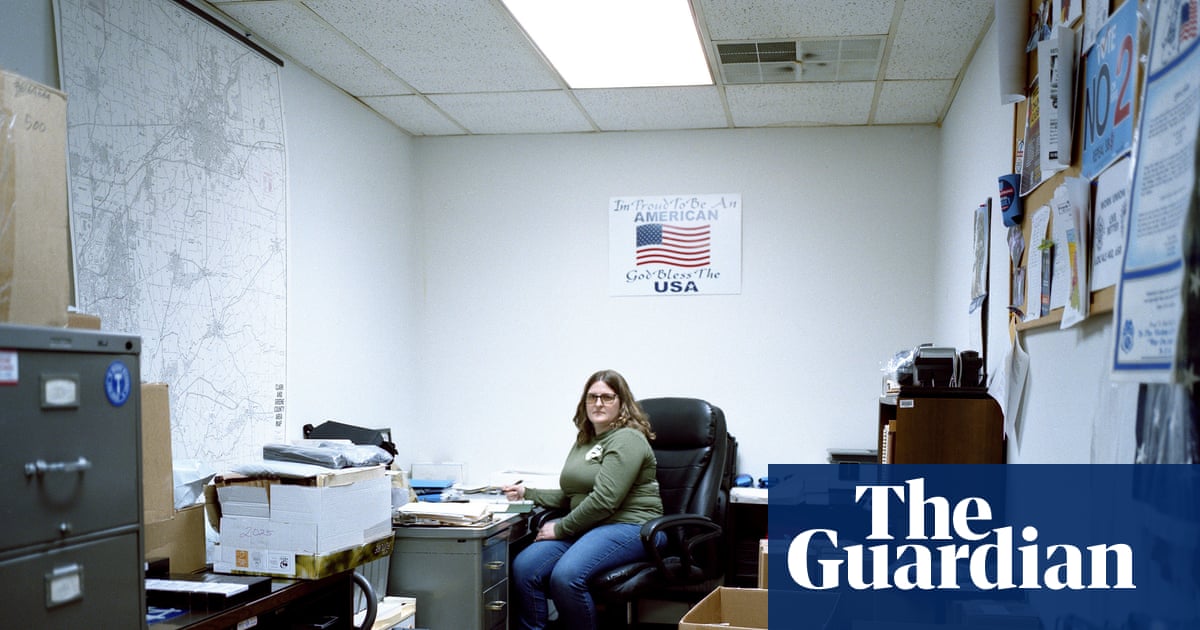
The Guardian centers the pressure on Midwest autoworkers who say long-running trade policies and offshoring have hollowed out plants and communities. Brenda Davis, a retired Ford worker in Ohio, is upset that a new Buick she bought from GM was made entirely in China, while Morgan Hughes, who works at a GM plant in Springfield, says tariff-related disruption has helped drive down orders and left workers worried about the plant’s future.
The political backdrop
Democratic lawmakers and policy experts have been meeting workers in union halls across Michigan, Ohio, Pennsylvania, Wisconsin and Iowa in an effort to regain support ahead of the 2026 midterms. The town halls, organized with Public Citizen and unions including the United Auto Workers, are aimed at acknowledging the damage from decades of trade policy that encouraged offshoring. The article argues that this issue helped power Trump’s wins in 2016 and 2024 in historical swing states.
The economic context
The piece sets the current anxiety against a long decline in US manufacturing employment. It says manufacturing jobs peaked in 1979 at about 19.6 million and now stand at about 12.6 million. It also notes that more than 950,000 US jobs were certified as lost due to NAFTA, though that figure is described as an undercount. Workers quoted in the story say the changes are not abstract policy debates; they are about shrinking headcounts, plant closures, and whether younger generations will still have stable industrial jobs.
The message from workers
The workers quoted are not simply rejecting trade policy in the abstract. They describe a sense that both outsourcing and sudden policy swings have made factory life less stable. The Democratic challenge, as framed by the article, is to convince these voters that the party is willing to defend the working class rather than leave it behind.
Key points
- Midwest autoworkers say offshoring and trade policy have steadily reduced factory jobs.
- Workers in Ohio describe shrinking plants, uncertain ownership and falling orders tied to tariff turmoil.
- Democrats are holding town halls in swing states to try to win back blue-collar voters.
- The article links the decline in manufacturing employment to NAFTA and decades of outsourcing.
- Workers interviewed want policies that protect working-class families across generations.
If Democrats can persuade workers that they understand the damage from offshoring and trade deals, they may rebuild trust in industrial states. A stronger policy response could help stabilize manufacturing communities and give workers more confidence about future jobs.
If plant closures, offshoring and tariff disruption continue, workers may see both parties as unable to protect stable factory employment. That could deepen political distrust in the working class and leave younger generations with even fewer manufacturing opportunities.