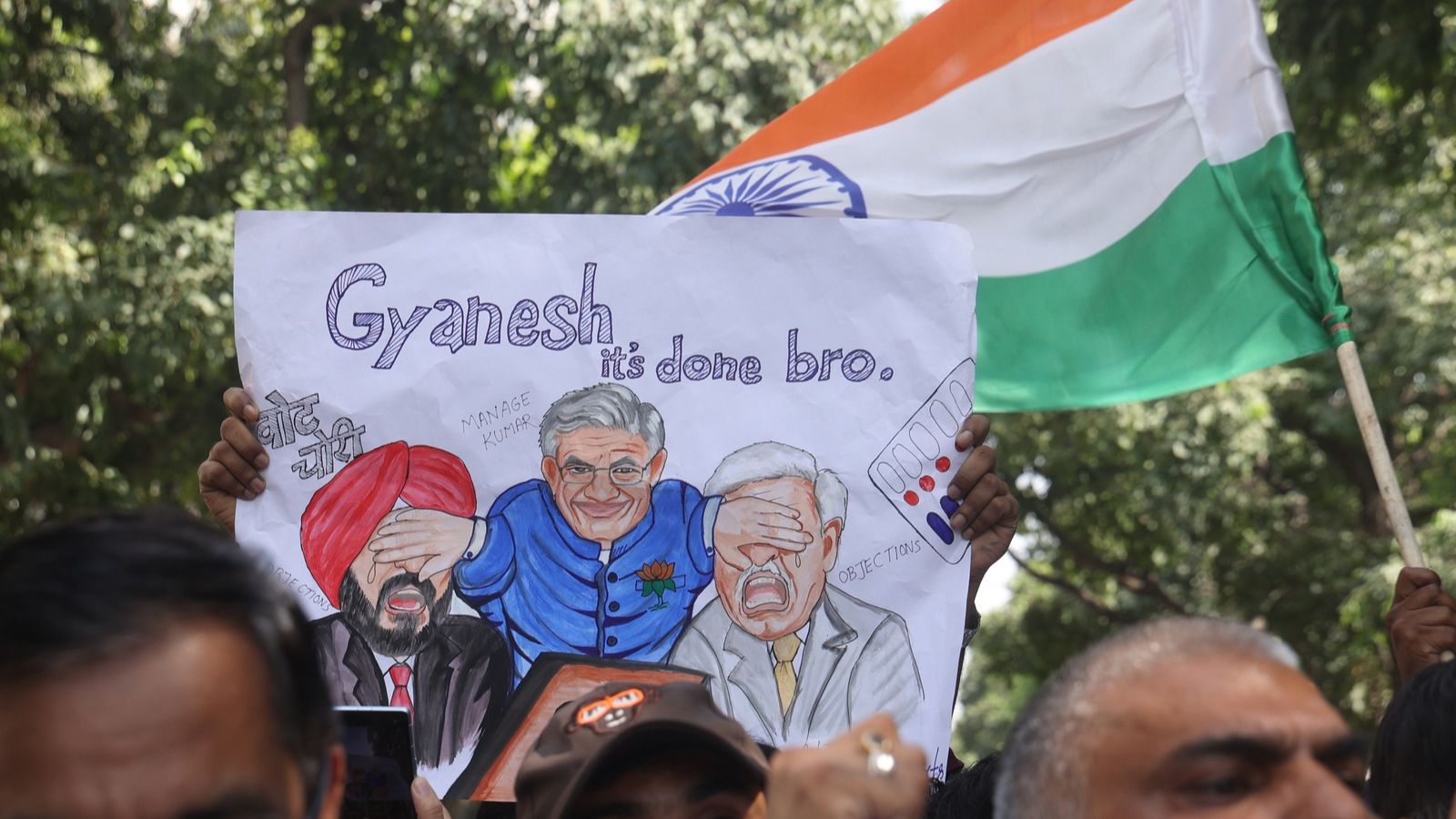
Who will lead the CJP protest? Abhijeet Dipke suggested Ajinkya Shinde's name, announcement through a pre-recorded video
CJP founder Abhijeet Dipke and colleagues were arrested before a Delhi protest, leading Dipke to name Ajinkya Shinde as the new leader via a pre-recorded video. Delhi police denied permission, citing law and order, and detained thousands.
Intelligence analysis by Gemini 2.5 Flash
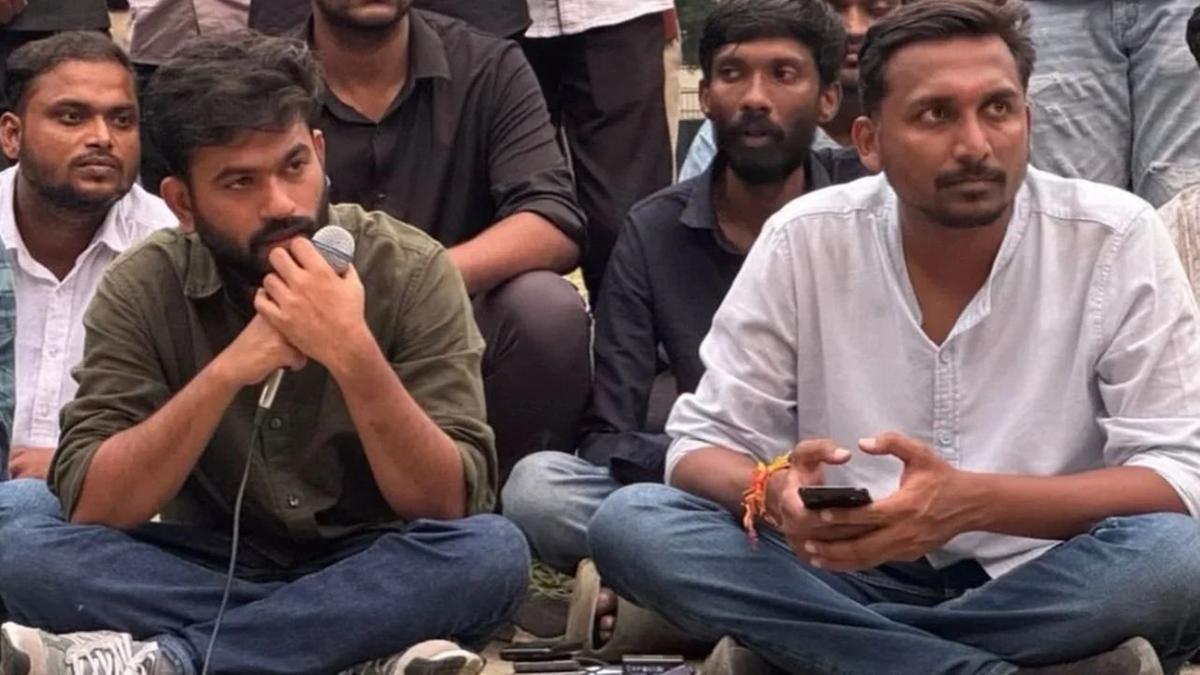
Ahead of a planned protest at Jantar Mantar demanding the Chief Election Commissioner's resignation, Cockroach Janata Party (CJP) founder Abhijeet Dipke and his associates were arrested. Anticipating this, Dipke had pre-recorded a video appointing Ajinkya Shinde as the new protest leader. Delhi police had heightened security, denied permission, and detained approximately 1500 people, …
Imagine a group of people wanted to protest in Delhi, like asking for a teacher to leave their job. The leader, Abhijeet, knew the police might stop him, so he made a secret video saying, "If I get caught, my friend Ajinkya will lead the protest!" And sure enough, the police stopped Abhijeet and many others, saying it was for safety, and made it hard for people to get around. Now, Ajinkya has to lead the protest, just like Abhijeet planned.
Analysis
Abhijeet Dipke's Preemptive Move
The article details how Abhijeet Dipke, the founder of the Cockroach Janata Party (CJP), anticipated his arrest ahead of a major protest in Delhi. This foresight led him to pre-record a video message, a strategic move to ensure the continuity of the demonstration despite his potential detention. The video, released after his arrest, named Ajinkya Shinde as the new leader, demonstrating a planned succession to maintain momentum.
This tactic underscores a growing trend among protest organizers to prepare for state intervention, using modern communication tools to circumvent immediate disruptions. It reflects a calculated effort to sustain public mobilization even when key figures are incapacitated, highlighting the adaptability of protest movements in the face of government crackdowns. The CJP's approach suggests a recognition of the challenges in organizing large-scale demonstrations in sensitive political environments.
Delhi Police's Security Clampdown
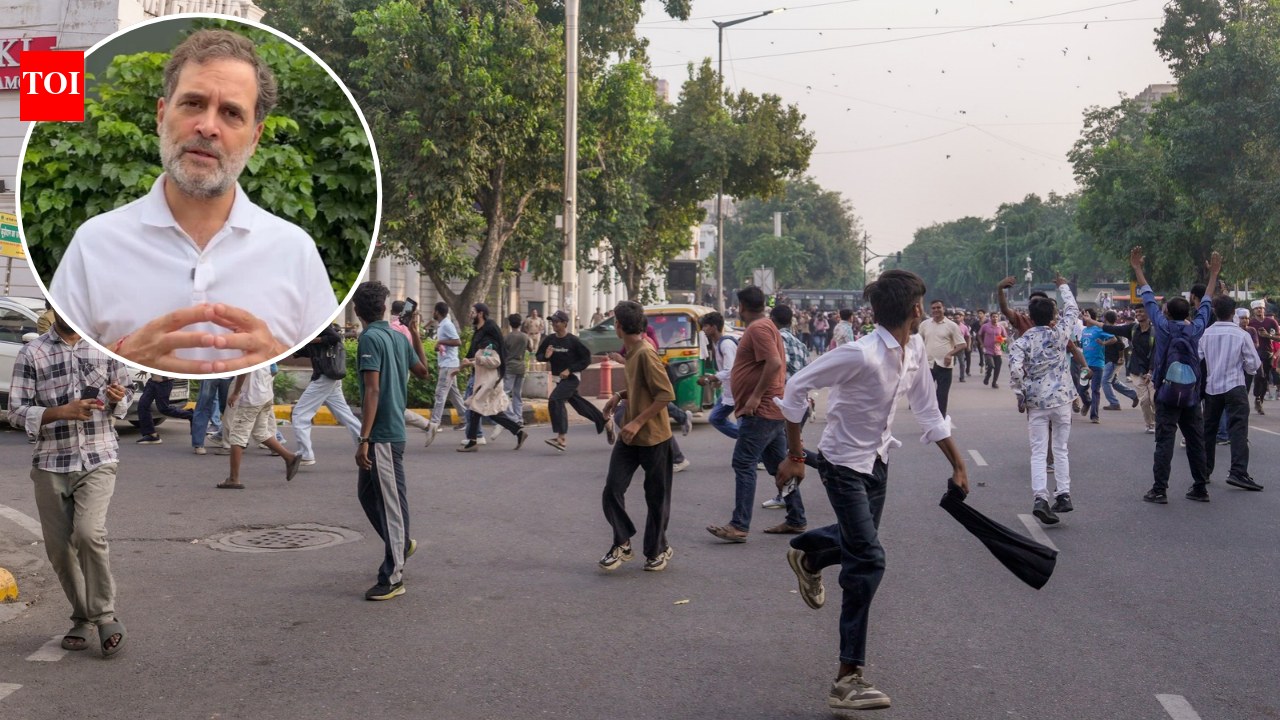
Delhi Police implemented extensive security measures across the capital in anticipation of the CJP protest. This included denying permission for the demonstration at Jantar Mantar, citing concerns over law and order and public inconvenience. The authorities also engaged in preventive detentions, with approximately 1500 individuals taken into custody under Section 65 of the Delhi Police Act, and imposed significant traffic restrictions.
These actions illustrate the state's robust response to perceived threats to public order, particularly in the national capital. The police's justification, including previous violations by the CJP and insufficient notice for the protest, points to a strict enforcement of regulations governing public assemblies. The scale of the security deployment and detentions indicates a strong governmental resolve to prevent unauthorized gatherings and maintain control over public spaces.
Ajinkya Shinde's New Role
With Abhijeet Dipke and other key CJP figures in custody, Ajinkya Shinde, the CJP Organization In-Charge, has been thrust into the leadership role for the Jantar Mantar protest. His appointment, announced through Dipke's pre-recorded video, signifies a critical moment for the party and the protest's future. Shinde is now tasked with navigating the demonstration amidst heightened police presence and the absence of its founder.
This leadership transition will test the organizational strength and resilience of the CJP. Shinde's ability to rally supporters and articulate the protest's demands, particularly the call for Chief Election Commissioner Gyanesh Kumar's resignation, will be crucial. The situation highlights the challenges faced by protest movements when their initial leadership is disrupted, placing immense pressure on new leaders to maintain cohesion and effectiveness.
Key points
- CJP founder Abhijeet Dipke and associates were arrested before a planned protest at Jantar Mantar, Delhi.
- Dipke had pre-recorded a video naming Ajinkya Shinde as the new protest leader, anticipating his arrest.
- The protest aimed to demand the resignation of Chief Election Commissioner Gyanesh Kumar.
- Delhi Police denied permission for the protest, citing law and order concerns and insufficient notice.
- Authorities implemented heightened security, traffic restrictions, and preventively detained around 1500 people.
The pre-planned leadership transition could ensure the protest's continuity and demonstrate the CJP's resilience, potentially galvanizing more public support for their cause despite the arrests. This strategic foresight might also inspire other activist groups to adopt similar contingency plans, strengthening the broader landscape of civil dissent.
The extensive police crackdown, including mass detentions and traffic restrictions, could effectively stifle the protest, deterring participation and weakening the CJP's ability to mobilize. The arrests of key leaders and the denial of permission might also set a precedent for future protests, making it harder for groups to exercise their right to assembly.