Why Bandung is the world's best-kept secret for handmade boots – and the brands to know
Bandung, Indonesia, has become a global destination for handmade boots, with brands like Sagara Bootmaker, Briselblack, Onderhoud Handmade, and Txture earning international followings for their craftsmanship. The city's shoemaking heritage dates back to the Dutch colonial…
Intelligence analysis by Llama
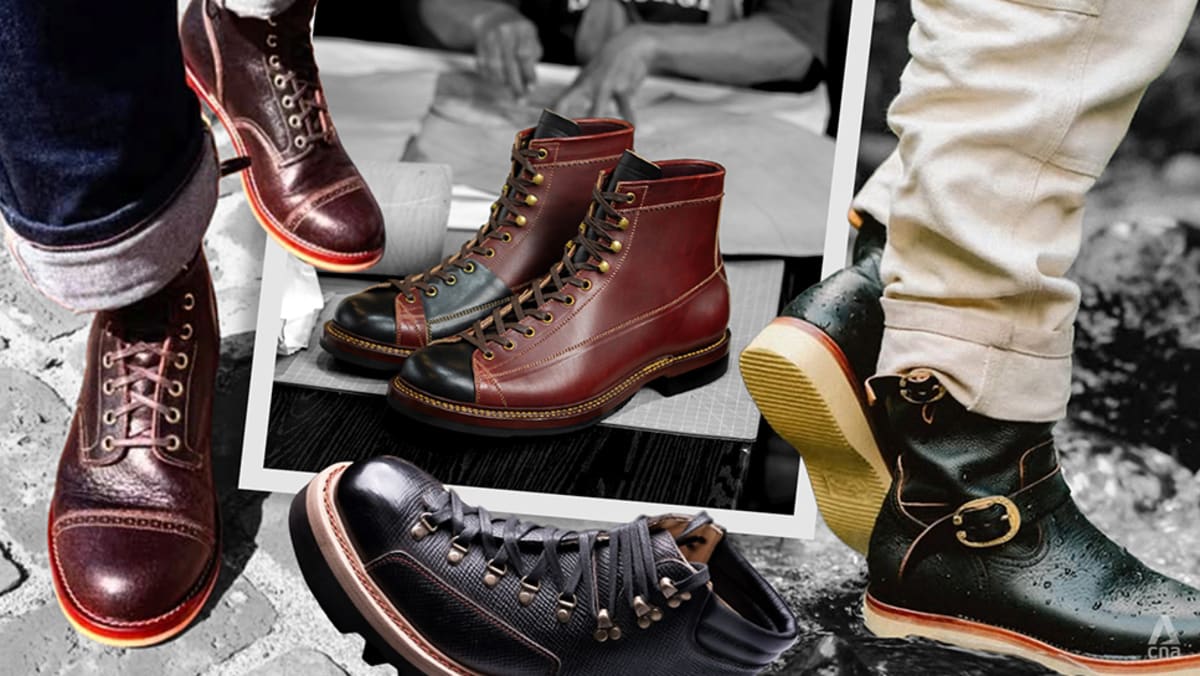
Bandung, Indonesia, has become a hub for handmade boots, with local brands developing their own design language and earning international recognition for their craftsmanship. The city's shoemaking heritage dates back to the Dutch colonial era, and its bootmakers have blended influences from military footwear, workwear, and outdoor boots with Indonesian craftsmanship and extensive cust…
Bandung, Indonesia, is a city that's famous for its handmade boots. The bootmakers there use traditional techniques to make boots that are strong and last a long time. They blend different styles and materials to create a unique look that people all around the world love. It's like a special recipe that makes their boots extra special.
Analysis
A $60B Vote of Confidence
Bandung, Indonesia, has become a global destination for handmade boots, with brands like Sagara Bootmaker, Briselblack, Onderhoud Handmade, and Txture earning international followings for their craftsmanship. The city's shoemaking heritage dates back to the Dutch colonial era, and its bootmakers have developed their own design language, blending influences from military footwear, workwear, and outdoor boots with Indonesian craftsmanship and extensive customisation.
The process of making a pair of handmade boots in Bandung is deliberately slow, with each pair passing through more than 200 individual steps. From selecting and cutting the leather to shaping the last, hand-welting the midsoles and outsoles, before finally being conditioned, polished, and waxed, the artisans at Sagara Bootmaker take pride in their work. "We are leading the market and setting the standard, both in craftsmanship and material selection," owner and creative director Bagus Satrio, 38, told CNA Lifestyle in an email interview.
The rise of Bandung as a global destination for handmade boots is significant, as it showcases the city's rich shoemaking heritage and the skills of its artisans. It also highlights the potential for Indonesian craftsmanship to gain international recognition and appreciation. As the demand for handmade boots continues to grow, it will be interesting to see how the bootmakers in Bandung adapt to the changing market and continue to innovate and push the boundaries of their craft.
Why Cursor?
One of the key factors that has contributed to the success of Bandung's bootmakers is their ability to blend influences from different cultures and styles. By combining traditional Indonesian craftsmanship with modern designs and materials, they have created a unique and distinctive style that appeals to boot enthusiasts around the world. This ability to adapt and innovate has allowed them to stay ahead of the curve and maintain their position as leaders in the industry.
The Road Ahead
As the demand for handmade boots continues to grow, it will be interesting to see how the bootmakers in Bandung adapt to the changing market and continue to innovate and push the boundaries of their craft. With their rich shoemaking heritage and the skills of their artisans, they are well-positioned to continue to thrive and make a name for themselves in the global market.
Key points
- Bandung, Indonesia, has become a global destination for handmade boots.
- The city's shoemaking heritage dates back to the Dutch colonial era.
- Local brands have developed their own design language, blending influences from military footwear, workwear, and outdoor boots with Indonesian craftsmanship and extensive customisation.
- The process of making a pair of handmade boots in Bandung is deliberately slow, with each pair passing through more than 200 individual steps.
- The rise of Bandung as a global destination for handmade boots is significant, as it showcases the city's rich shoemaking heritage and the skills of its artisans.
The rise of Bandung as a global destination for handmade boots is a positive development for the city's artisans and the Indonesian craftsmanship industry as a whole. As the demand for handmade boots continues to grow, it will be interesting to see how the bootmakers in Bandung adapt to the changing market and continue to innovate and push the boundaries of their craft.
The bootmaking industry in Bandung is heavily reliant on the skills and expertise of its artisans, which can be a challenge to maintain and pass down to future generations. Additionally, the industry is also vulnerable to changes in global demand and market trends, which can impact the livelihoods of the artisans and the industry as a whole.