Why black kites remain one of the biggest challenges to flying operations at Pune Airfield
Black kites are a major challenge to flying operations at Pune Airfield due to their flying behavior, size, and feeding habits, which increase the risk of collisions with aircraft during take-off and landing.
Intelligence analysis by Llama
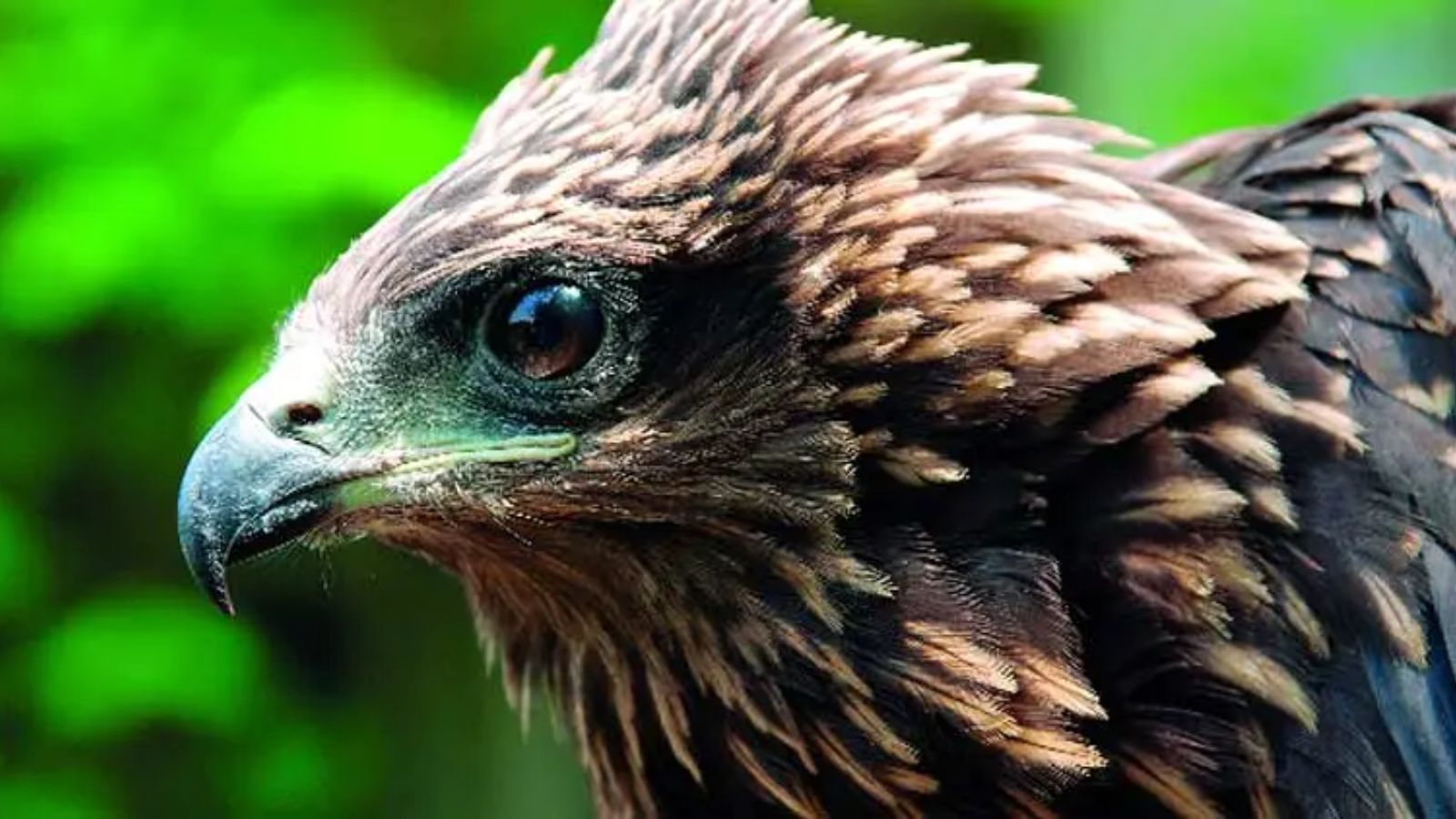
The Indian Air Force (IAF) shares a runway with Pune Airport's civilian operations, making bird strikes a concern. Black kites are especially problematic due to their size, flying behavior, and feeding habits, which attract them to food sources near the airfield.
Imagine you're flying a plane, and there's a big bird flying right in front of you. That's what's happening at Pune Airfield, where black kites are a big problem. They're attracted to food waste and garbage, and they can fly really high, which makes it hard for pilots to avoid them. The Indian Air Force is trying to figure out how to keep the birds away, but it's a tough job.
Analysis
Black Kites: The Primary Concern
The black kite is one of the most common birds of prey in Indian cities, and it poses a significant threat to flying operations at Pune Airfield. The bird's size, flying behavior, and feeding habits make it a major challenge for the Indian Air Force (IAF) to manage. Unlike smaller birds, black kites typically weigh between 800 grams and 1.3 kilograms, which can generate enormous impact at high speeds. The IAF has adopted a multi-pronged approach to minimize bird and animal hazards, including dedicated bird patrols, pyrotechnic devices, and distress-call systems. However, black kites are remarkably adaptable and can return to the airfield within minutes of being dispersed.
Urbanisation and Wildlife Hazards
The environment around the airfield provides ideal conditions for black kites to thrive. Open dumping of household garbage, food waste from hotels and markets, and animal carcasses attract black kites, which can travel several kilometres in search of food. This poses a significant threat to aircraft during take-off and landing, as well as to the safety of pilots and passengers. The IAF has emphasized the need for constant wildlife surveillance to identify high-risk periods for flying.
A Multi-Layered Response
The IAF has implemented a multi-layered response to manage bird and animal hazards. Dedicated bird patrols continuously monitor the airfield, while pyrotechnic devices and distress-call systems are used to keep birds away from operational areas. Wildlife activity is tracked throughout the day to identify high-risk periods for flying. The IAF has also emphasized the need for sustained action by multiple civic agencies to manage bird hazards, which is not solely an aviation issue but an urban environmental challenge.
Key points
- Black kites are a major challenge to flying operations at Pune Airfield due to their size, flying behavior, and feeding habits.
- The Indian Air Force has implemented a multi-layered response to manage bird and animal hazards, including dedicated bird patrols and pyrotechnic devices.
- Urbanisation and wildlife hazards are significant threats to flying operations at Pune Airfield, and require sustained action by multiple civic agencies.
- The IAF has emphasized the need for constant wildlife surveillance to identify high-risk periods for flying.
If the Indian Air Force can successfully implement its multi-layered response to manage bird and animal hazards, it could lead to safer flying operations at Pune Airfield. This could also encourage other airports to adopt similar measures, reducing the risk of bird strikes across the country.
If the Indian Air Force is unable to effectively manage bird and animal hazards, it could lead to a significant increase in bird strikes at Pune Airfield. This could result in damage to aircraft, injuries to pilots and passengers, and even loss of life.