Why can't Hindus and Muslims live together in one house?
A 10-year-old girl asks her mother and relatives why Hindus and Muslims can't live together in one house, highlighting the complexities of the Partition of India.
Intelligence analysis by Llama
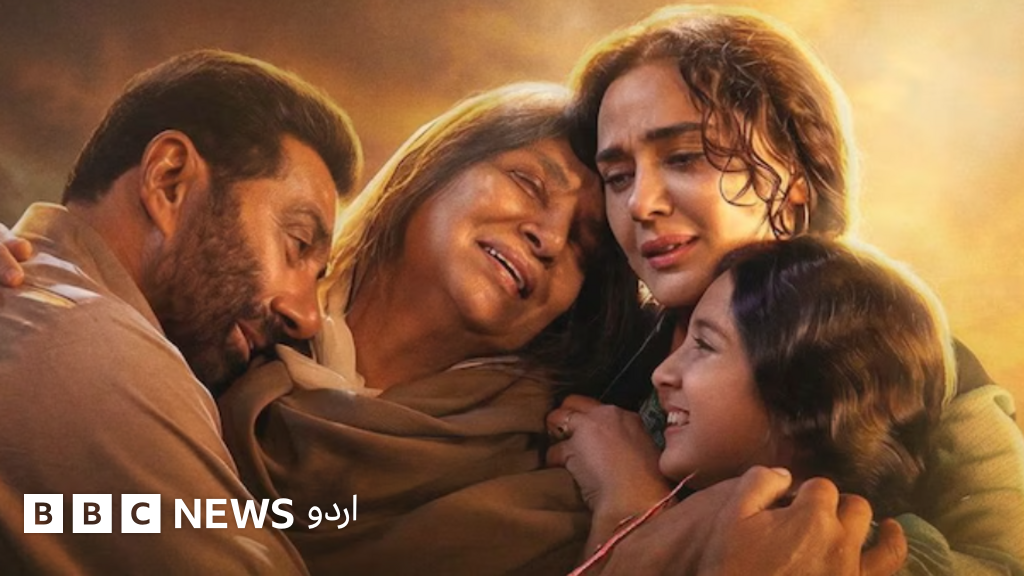
A 10-year-old girl's question about why Hindus and Muslims can't live together in one house highlights the complexities of the Partition of India.
A 10-year-old girl asks her mother and relatives why Hindus and Muslims can't live together in one house. Her question is a reminder of the complexities of the Partition of India and its ongoing impact on people's lives.
Analysis
The Question of a Lifetime
A 10-year-old girl's question about why Hindus and Muslims can't live together in one house is a poignant reminder of the complexities of the Partition of India and its ongoing impact on people's lives. The girl's question is not just a simple inquiry, but a reflection of the deep-seated divisions that have been created by the Partition.
The girl's mother and relatives try to explain to her why Hindus and Muslims can't live together in one house. They tell her about the violence and bloodshed that occurred during the Partition, and how it led to the creation of two separate nations. They also tell her about the difficulties that people faced during the Partition, and how it affected their lives.
The girl's question is a reminder that the Partition of India is not just a historical event, but a living reality that continues to affect people's lives today. It is a reminder that the divisions created by the Partition are still deep-seated, and that they continue to affect people's lives in many ways.
The Legacy of the Partition
The Partition of India is a legacy that continues to affect people's lives today. It is a reminder of the violence and bloodshed that occurred during the Partition, and how it led to the creation of two separate nations. It is also a reminder of the difficulties that people faced during the Partition, and how it affected their lives.
The Partition of India is a complex and multifaceted issue that continues to affect people's lives today. It is a reminder of the deep-seated divisions that have been created by the Partition, and how they continue to affect people's lives in many ways.
The Importance of Remembering the Partition
Remembering the Partition of India is important because it helps us to understand the complexities of the event and its ongoing impact on people's lives. It is a reminder of the violence and bloodshed that occurred during the Partition, and how it led to the creation of two separate nations. It is also a reminder of the difficulties that people faced during the Partition, and how it affected their lives.
Remembering the Partition of India is also important because it helps us to learn from the past and to build a better future. It is a reminder of the importance of tolerance, understanding, and peace, and how these values can help to bring people together and to create a more harmonious society.
Key points
- A 10-year-old girl asks her mother and relatives why Hindus and Muslims can't live together in one house.
- The girl's question is a reminder of the complexities of the Partition of India and its ongoing impact on people's lives.
- The Partition of India is a legacy that continues to affect people's lives today.
- Remembering the Partition of India is important because it helps us to understand the complexities of the event and its ongoing impact on people's lives.
If the development of a more harmonious society between Hindus and Muslims is achieved, it could lead to a more peaceful and tolerant world.
The realistic downside risks or failure modes of the Partition of India include ongoing violence and bloodshed, deep-seated divisions, and difficulties in people's lives.