Why China’s low-cost business model resists reform
A fatal shoe factory fire in China highlights how the country's low-cost business model persists, with local government incentives undermining labor law enforcement and worker protections.
Intelligence analysis by Gemini 2.5 Flash
The article argues that despite legal reforms aimed at improving worker rights and safety, China's low-cost manufacturing model remains entrenched. This is primarily due to local governments prioritizing the jobs, tax revenue, and economic growth generated by these businesses over strict enforcement of labor laws, creating a structural barrier to meaningful change.
Imagine a factory that makes cheap shoes, but to keep prices low, they don't spend much on keeping workers safe or giving them health insurance. Even though there are rules to stop this, the local government often looks the other way because they want the factory to keep making shoes and providing jobs, which helps the town's money. So, the rules don't get followed, and sometimes bad things like fires happen.
Analysis
The Jinjiang Tragedy as a Symptom
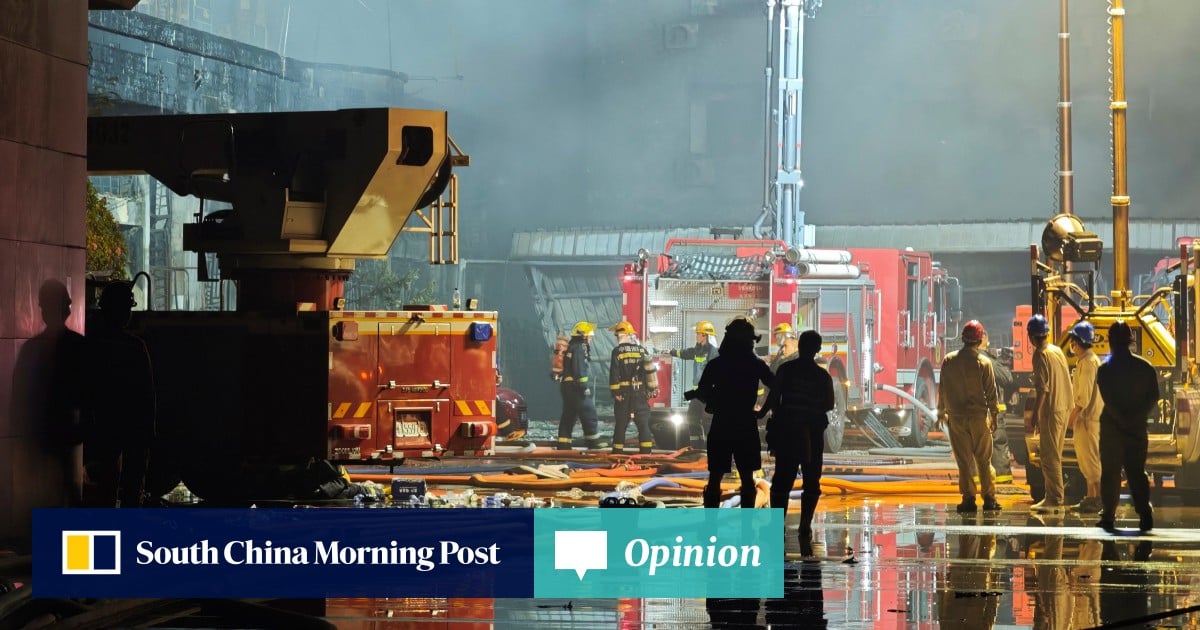
The recent fire at a shoe factory in Jinjiang, Fujian province, which claimed at least 28 lives, serves as a stark illustration of the systemic issues plaguing China's low-cost business model. The incident was not merely an isolated accident but a symptom of deeper structural problems. Investigations revealed that the factory had hundreds of employees, yet only a fraction were enrolled in basic social insurance plans like pensions and medical coverage, indicating widespread non-compliance with labor laws. Furthermore, fire-safety inspections conducted just two days prior had identified blocked exits, yet production continued unimpeded, underscoring a pervasive disregard for worker safety.
Structural Impediments to Reform
The core argument presented is that the resistance to reform is not simply a matter of corporate malfeasance but is deeply embedded in the fiscal and political incentives at both local and central government levels. Local governments, tasked with enforcing labor laws, simultaneously rely heavily on the employment opportunities, tax revenues, and economic growth that low-cost manufacturing provides. This creates a fundamental conflict of interest: strict enforcement of labor and safety regulations would incur significant fiscal and political costs for these local authorities, potentially jeopardizing their economic targets and stability. Consequently, there's a strong disincentive to rigorously apply existing laws, effectively reproducing the very conditions that stifle reform efforts.
The Enduring Cycle of Non-Compliance
Despite numerous attempts at reform, such as the implementation of the Labour Contract Law in 2008 and tightened rules on social insurance obligations by the Supreme People’s Court in 2025, their practical impact has been limited. The article highlights that these legislative efforts have largely been thwarted by the entrenched local economic and fiscal incentives. The structural nature of the problem means that legal frameworks, however well-intentioned, struggle to overcome the powerful economic pressures and political priorities that favor the continuation of the low-cost model. This creates a persistent cycle where non-compliance with labor and safety standards remains widespread, perpetuating risks for workers and hindering China's broader economic and social development goals.
Key points
- A fatal shoe factory fire in Jinjiang, Fujian, exposed systemic safety and labor compliance issues.
- Many workers in the burned factory lacked basic social insurance, despite legal requirements.
- Local governments prioritize jobs, tax revenue, and economic growth from low-cost manufacturing.
- These fiscal incentives create a structural barrier, undermining the enforcement of labor laws.
- Past reforms, like the 2008 Labour Contract Law, have been largely ineffective in practice due to these entrenched incentives.
The article suggests that without fundamental changes to the fiscal incentives for local governments, China's low-cost business model will continue to resist reform. This perpetuates unsafe working conditions, inadequate worker benefits, and a reliance on low-value manufacturing, hindering the country's long-term economic and social development goals.