Why German Industry is Seeking its Luck in Hungary
German industry is shifting its production to Hungary due to high costs and decreased demand in Germany. Companies are attracted to Hungary's short delivery routes and low costs, aiming to regain competitiveness. This trend is expected to continue, with 60% of German comp…
Intelligence analysis by Llama
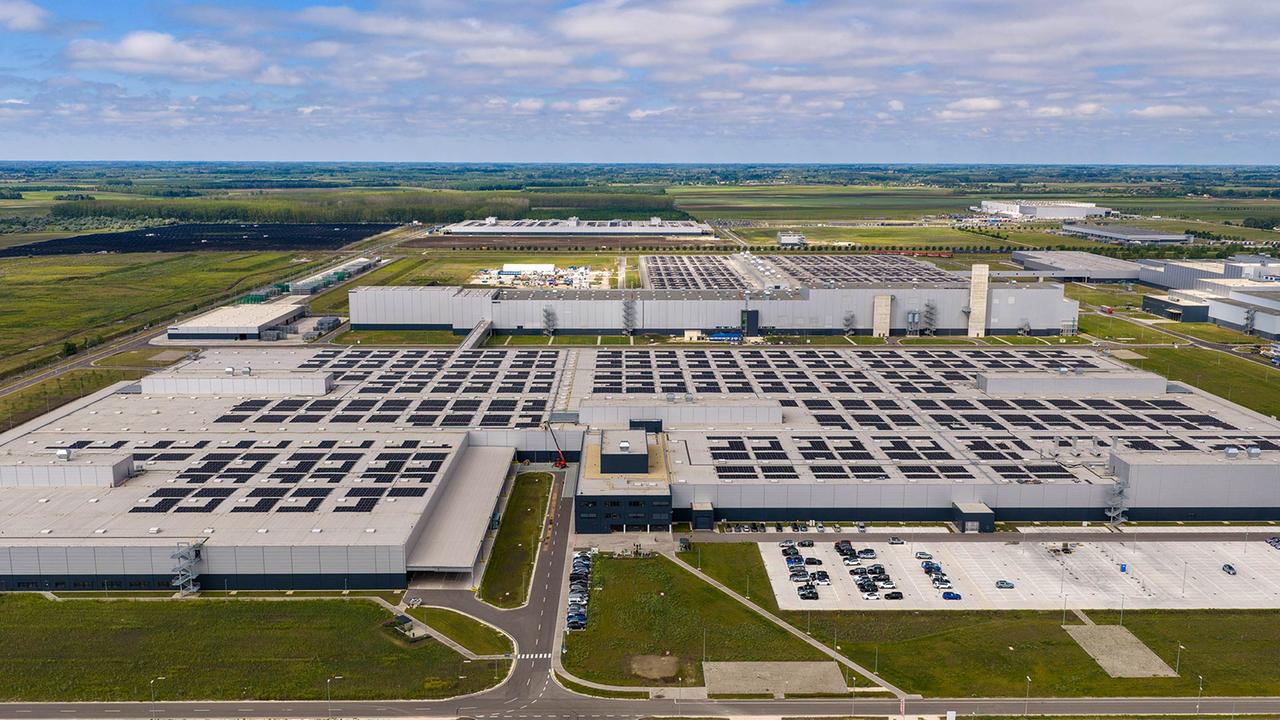
German industry is relocating to Hungary due to high costs and decreased demand in Germany. Companies are attracted to Hungary's short delivery routes and low costs, aiming to regain competitiveness. This trend is expected to continue, with 60% of German companies anticipating a significant increase in production in Hungary by 2030.
Imagine you're a car manufacturer, and you need to make parts for your cars. But it's getting too expensive to make them in Germany. So, you move your factory to Hungary, where it's cheaper to make them. This way, you can make your cars more affordably and sell them to people all over the world.
Analysis
Industry Shifts to Hungary Amid High Costs and Decreased Demand in Germany
The German industry is facing significant challenges, including high production costs and decreased demand. In response, many companies are shifting their production to Hungary, where costs are significantly lower. This trend is expected to continue, with 60% of German companies anticipating a significant increase in production in Hungary by 2030.
Mercedes-Benz Leads the Way in Hungary
Mercedes-Benz has invested heavily in Hungary, building a new factory in Kecskemét that will produce the company's first fully electric C-Class. The company expects to produce 70% of its vehicles in Hungary at a significantly lower cost than in Germany. The regular weekly working hours in Hungary are 40 hours, compared to 35 hours in Germany, and the average hourly labor cost in Hungary is €15.60, compared to €49.50 in Germany.
KACO's Relocation to Hungary
KACO, a German company that produces gummi-dichtungen for the automotive industry, has relocated its production to Hungary. The company's CEO, Gernot-Alois Feiel, expressed mixed feelings about the relocation, citing the loss of jobs and the impact on the local community. However, he also acknowledged the benefits of lower costs and increased competitiveness.
Industry-Wide Relocation
The relocation of German companies to Hungary is not an isolated incident. Many other companies are following suit, attracted by the country's low costs and short delivery routes. This trend is expected to continue, with significant implications for the German economy and workforce.
Key points
- German industry is shifting its production to Hungary due to high costs and decreased demand in Germany.
- Companies are attracted to Hungary's short delivery routes and low costs, aiming to regain competitiveness.
- 60% of German companies anticipate a significant increase in production in Hungary by 2030.
- Mercedes-Benz has invested heavily in Hungary, building a new factory in Kecskemét.
- KACO, a German company, has relocated its production to Hungary.
If this trend continues, German companies may be able to regain their competitiveness in the global market. This could lead to increased exports and economic growth for Germany.
However, the relocation of German companies to Hungary may also lead to job losses and economic disruption in Germany. This could have significant social and economic implications for the country.