Why India's Critical Mineral Push Faces Hurdles in Overseas Projects
India's efforts to secure critical mineral assets overseas are facing a series of hurdles, ranging from high asset valuations, volatile mineral prices, financial constraints, to socio-political risks in resource-rich countries. The government's flagship overseas acquisiti…
Intelligence analysis by Llama
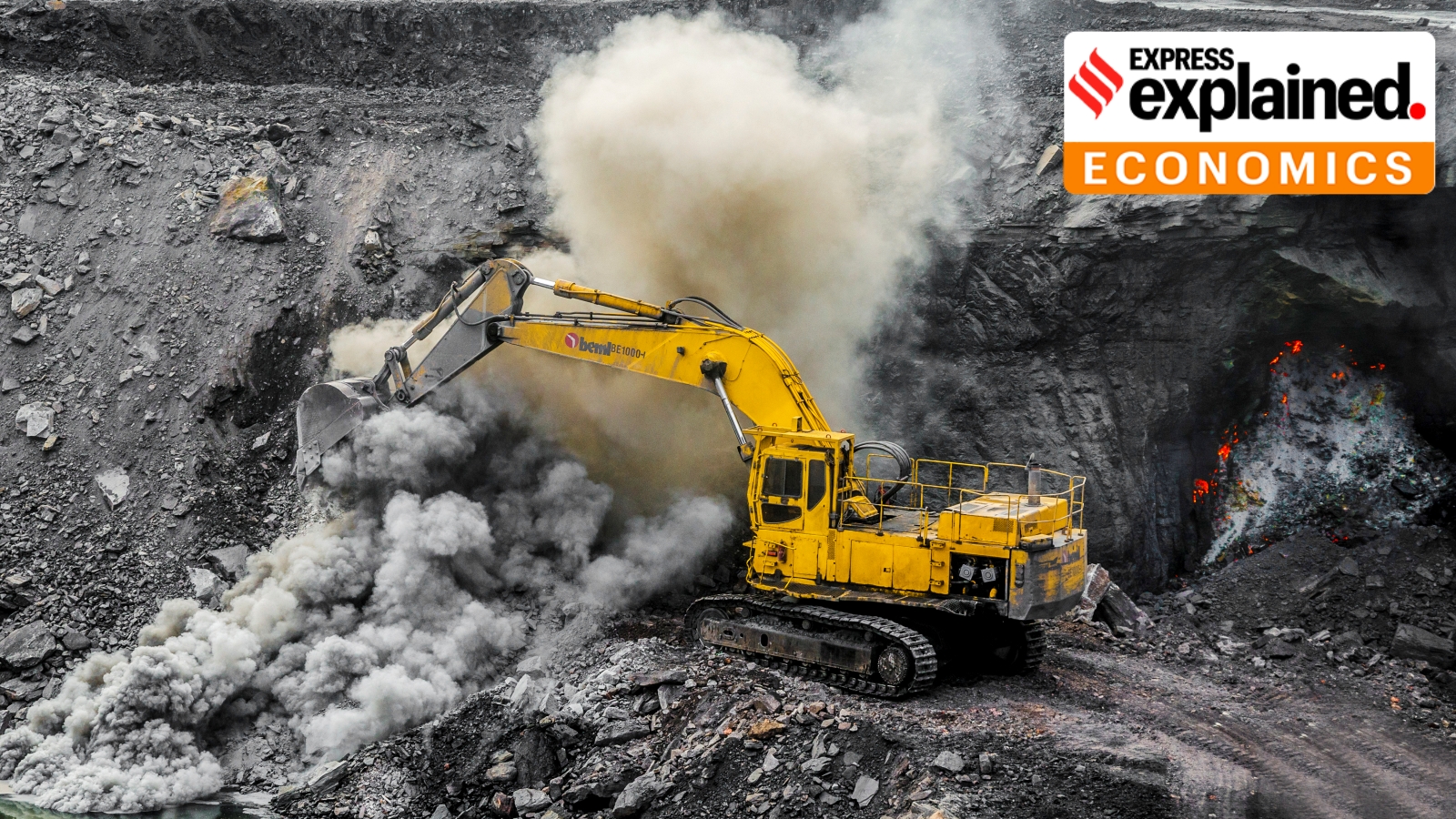
India's efforts to secure critical mineral assets overseas are facing hurdles due to high asset valuations, volatile mineral prices, financial constraints, and socio-political risks. KABIL, the government's flagship overseas acquisition vehicle, has struggled to expand its overseas footprint in other mineral-rich countries.
Imagine India is trying to buy important minerals from other countries, but it's facing many challenges. The government's special team, KABIL, is trying to buy these minerals, but it's not easy. The prices are volatile, and the countries where the minerals are found are not stable. This makes it difficult for KABIL to buy the minerals it needs.
Analysis
Challenges in Overseas Projects
India's efforts to secure critical mineral assets overseas are facing a series of hurdles, ranging from high asset valuations, volatile mineral prices, financial constraints, to socio-political risks in resource-rich countries. The government's flagship overseas acquisition vehicle, Khanij Bidesh India Ltd (KABIL), has struggled to expand its overseas footprint in other mineral-rich countries, including Australia, Vietnam, Mali, and Chile.
KABIL's proposed acquisition of a 5% stake in rare earth element (REE) projects in Vietnam's Lai Chau province did not materialise after the seller withdrew the opportunity before due diligence could be completed. Similarly, KABIL's efforts to expand into Africa have faced challenges. In June 2025, the company signed an NDA with Uranium One Group, a subsidiary of Russia's state-owned nuclear company Rosatom, to jointly evaluate and invest in critical mineral projects in third countries, excluding India and Russia. As part of this arrangement, KABIL began due diligence on an exploration-stage, hard-rock lithium project in Mali. The due diligence, however, has since been put on hold due to the recent socio-political instability in the country.
Lessons from Failed Bids
When a parliamentary panel, whose report was tabled in Parliament on Wednesday (August 12), sought details from KABIL on the unsuccessful bid, the company outlined several key lessons from the failed attempt. These included the absence of a domestic value chain for spodumene concentrate, the end product of the Mt Marion and Wodgina projects; high volatility in lithium prices; significant variations in long-term spodumene concentrate price forecasts published by different market intelligence agencies; and the high valuation of assets amid intense competition for lithium projects.
Socio-political Instability in Africa
KABIL's efforts to expand into Africa have also faced challenges. In June 2025, the company signed an NDA with Uranium One Group, a subsidiary of Russia's state-owned nuclear company Rosatom, to jointly evaluate and invest in critical mineral projects in third countries, excluding India and Russia. As part of this arrangement, KABIL began due diligence on an exploration-stage, hard-rock lithium project in Mali. The due diligence, however, has since been put on hold due to the recent socio-political instability in the country.
Key points
- India's efforts to secure critical mineral assets overseas are facing a series of hurdles.
- KABIL, the government's flagship overseas acquisition vehicle, has struggled to expand its overseas footprint in other mineral-rich countries.
- The challenges include high asset valuations, volatile mineral prices, financial constraints, and socio-political risks in resource-rich countries.
- KABIL's proposed acquisition of a 5% stake in rare earth element (REE) projects in Vietnam's Lai Chau province did not materialise.
- KABIL's efforts to expand into Africa have faced challenges due to socio-political instability in the country.
If KABIL can overcome the challenges it's facing, it could lead to a significant increase in India's critical mineral security. This could have a positive impact on India's economy and help the country meet its growing demand for these strategic resources.
If KABIL continues to struggle to acquire critical mineral assets overseas, it could lead to a shortage of these minerals in India. This could have a negative impact on India's economy and hinder the country's growth.