Why Internet Cables in the Red Sea Are Delayed in Repair
Internet cables in the Red Sea are delayed in repair due to conflicts, permits, and a lack of ships. This poses a threat to global communications.
Intelligence analysis by Llama
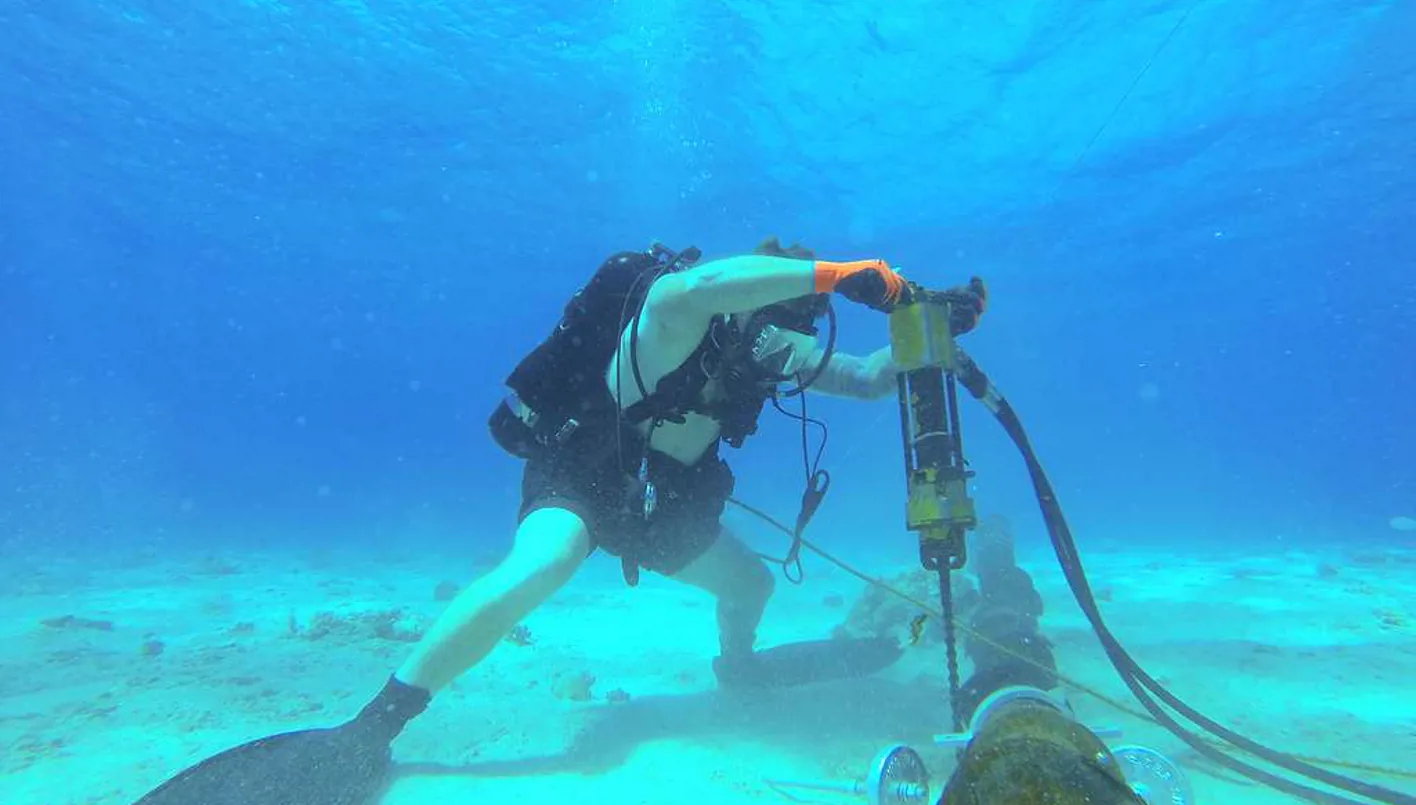
The delay in repairing internet cables in the Red Sea is due to various factors, including conflicts, permits, and a lack of ships. This poses a threat to global communications.
Imagine you're sending a message to your friend who lives on the other side of the world. The message has to travel through a long, underwater cable to get there. But sometimes, this cable gets damaged, and it takes a long time to fix it. This can cause problems for people who need to communicate with each other, and it can also impact global trade. To fix this problem, we need to find a way to repair the cable more quickly and efficiently.
Analysis
The Complexity of Repairing Internet Cables in the Red Sea
The Red Sea is a critical route for internet cables, connecting Asia, Africa, and Europe. However, the process of repairing these cables is complex and time-consuming. According to a report by the International Cable Protection Committee, the average time it takes to repair a damaged cable is around 50 days, with some cases taking up to 64 days.
One of the main reasons for the delay is the need for permits and approvals from various authorities. The International Cable Protection Committee notes that the process of obtaining permits can take several weeks, and in some cases, months. Additionally, the presence of conflicts and security concerns in the region can further complicate the repair process.
Another factor contributing to the delay is the lack of ships available for repair work. The International Cable Protection Committee estimates that there are only a few ships capable of performing repair work in the Red Sea, and these ships are often in high demand. As a result, the repair process can be delayed, and in some cases, the cable may need to be rerouted through a different route.
The delay in repairing internet cables in the Red Sea has significant implications for global communications and trade. The Red Sea is a critical route for internet cables, and any disruption to this route can have far-reaching consequences. The International Cable Protection Committee notes that the delay in repairing internet cables can impact global trade, as well as the ability of people to communicate with each other.
The Need for a More Efficient Repair Process
The delay in repairing internet cables in the Red Sea highlights the need for a more efficient repair process. The International Cable Protection Committee notes that the current process is too slow and inefficient, and that a more streamlined process is needed to ensure that repairs are completed quickly and efficiently.
One possible solution is to increase the number of ships available for repair work. This could be achieved by investing in new ships or by partnering with other companies to provide repair services. Additionally, the International Cable Protection Committee notes that the use of advanced technology, such as remote-operated vehicles, could also help to speed up the repair process.
The Importance of Protecting Internet Cables
The delay in repairing internet cables in the Red Sea highlights the importance of protecting these cables. The International Cable Protection Committee notes that internet cables are a critical component of modern communication, and that they play a vital role in facilitating global trade and communication.
To protect these cables, the International Cable Protection Committee recommends that governments and companies take steps to prevent damage to the cables. This could include implementing measures to prevent ship strikes, as well as taking steps to prevent damage from other sources, such as fishing nets or anchors.
In conclusion, the delay in repairing internet cables in the Red Sea is a complex issue that requires a multifaceted solution. By increasing the number of ships available for repair work, using advanced technology, and protecting the cables from damage, we can help to ensure that global communications and trade are not disrupted.
Key points
- Internet cables in the Red Sea are delayed in repair due to conflicts, permits, and a lack of ships.
- The delay in repairing internet cables can impact global communications and trade.
- A more efficient repair process is needed to ensure that repairs are completed quickly and efficiently.
- Increasing the number of ships available for repair work and using advanced technology could help to speed up the repair process.
- Protecting internet cables from damage is crucial to preventing disruptions to global communications and trade.
If the development of new ships and technology continues, it's possible that the repair process for internet cables in the Red Sea could become faster and more efficient. This could help to reduce the impact of delays on global communications and trade.
If the current trends continue, the delay in repairing internet cables in the Red Sea could become a major issue, impacting global communications and trade. This could have far-reaching consequences, including economic losses and disruptions to supply chains.