Why is Ferrari facing such a backlash to its first electric car?
Ferrari’s first EV, the four-door Luce, has sparked outrage over its design, price and break with tradition.
Intelligence analysis by GPT-5.4 Mini
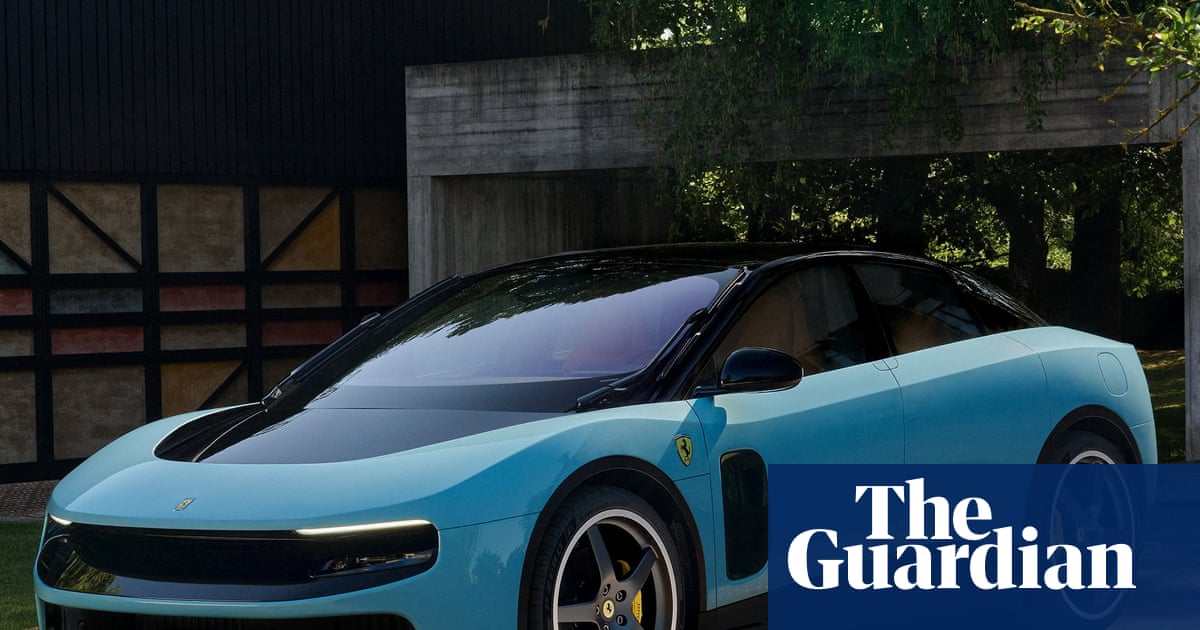
Ferrari’s Luce is meant to open a new EV chapter, but its very un-Ferrari look and ultra-luxury positioning have triggered backlash from fans, critics and investors. The reaction shows how electric cars can become a culture-war symbol even at the top end of the market.
Ferrari made a new electric car called the Luce. It is very fast, very expensive, and looks very different from the old Ferrari style that many fans love.
Some people are upset because it looks more like a family car than a classic sports car. That is a bit like if a famous chef suddenly started serving food on plain paper plates instead of fancy dishes.
The company wants to reach new buyers and move into electric cars. But the reaction shows that changing a famous brand can make people argue about what it should be.
Analysis
What Ferrari did
Ferrari has unveiled its first fully electric car, the Luce, a four-door model priced at about €550,000. It has an electric motor at each wheel and can accelerate from zero to 100km/h in 2.5 seconds. The company says it wants the car to broaden its appeal, while chief executive Benedetto Vigna has described it as meant to be “polarising.”
Why the reaction has been so sharp
The backlash is not only about the fact that Ferrari is making an EV. It is also about what kind of EV it chose to make. Instead of a low, two-door sports car, the Luce is a roomy saloon and Ferrari’s first five-seat, four-door model. That makes it feel to many critics like a break with the brand’s identity. The launch imagery, especially a pastel blue paint choice, drew comparisons with the Nissan Leaf, which people saw as unflattering for a company built on exclusivity and performance.
Design, status and politics
The design was led by Jony Ive’s firm LoveFrom and uses a minimalist, Apple-like look that hides many of the usual sports-car cues. Some critics on the right treated the launch as another example of anti-EV sentiment, similar to the reaction that hit Jaguar’s electric relaunch. Ferrari’s share price fell 8% this week, which suggests the market noticed the noise as well.
Why it matters
The story shows how difficult it can be for luxury brands to move into EVs without alienating their core audience. It also shows that even at the top end of the market, car design is tied to identity, politics and investor confidence, not just engineering.
Key points
- Ferrari’s first electric car is the four-door, five-seat Luce, priced at about €550,000.
- The design has drawn criticism for looking unlike a traditional Ferrari and for pastel launch imagery.
- Critics said the car risks breaking with Ferrari’s legacy, while the company says it wants a polarising product.
- Ferrari’s share price fell 8% this week after the backlash.
- The article links the reaction to broader resistance to EVs, especially among some right-leaning commentators.