Why is Trump suddenly reviving his Gaza plan?
Trump's statement about an agreement to disarm Hamas raises questions about his real objectives and reflects the continuing U.S. bias toward Israel, casting doubt on the prospects of achieving lasting peace.
Intelligence analysis by Llama
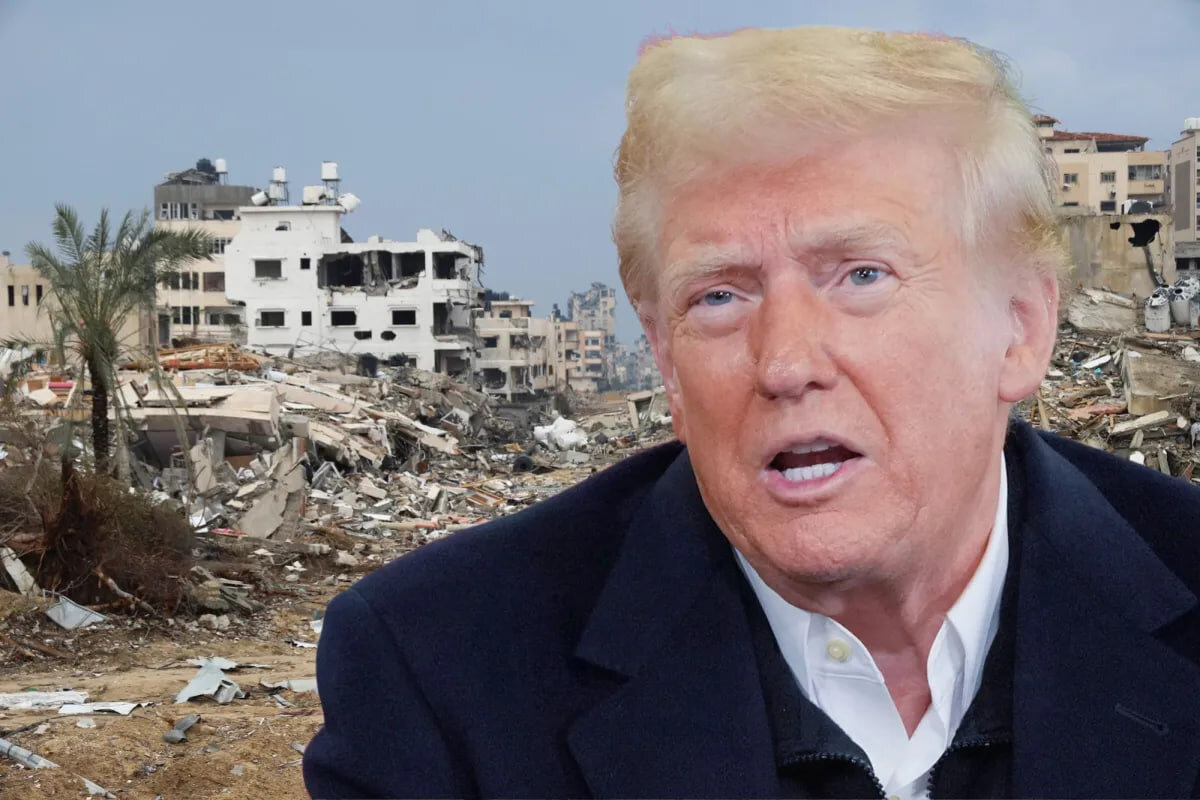
Trump's sudden announcement of a historic agreement to disarm Hamas and withdraw Israeli forces from Gaza raises doubts about his true intentions and the prospects of lasting peace.
Imagine a plan to end a war, but the people in charge keep breaking their promises and doing the opposite. That's what's happening with Trump's plan to end the Gaza conflict. He's saying he's made a deal to disarm Hamas, but it's hard to believe him when he's been biased towards Israel all along.
Analysis
Trump's Gaza Plan: A Review of the Substantive Provisions and Obstacles to Implementation
On September 29, 2025, Trump announced a comprehensive plan to end the Gaza conflict, which was entrusted to the 'Board of Peace' for implementation. The plan consisted of 20 provisions, including a ceasefire deal, humanitarian aid, and disarmament. However, implementing the provisions of this plan encountered major obstacles, foremost among them Israeli intransigence and American bias.
Israeli Intransigence and American Bias
The plan stipulated that all military operations, including aerial and artillery bombardment, would be suspended, and the lines of engagement would remain frozen until the conditions for a full withdrawal were met. Hamas and the other Palestinian resistance forces complied with everything set out in this provision. However, the Zionist regime adhered to it only during the period in which captives and bodies were exchanged. Once it had recovered them all, it resumed its aggression under various pretexts.
Disarmament and Humanitarian Aid
Regarding disarmament, several provisions addressed this issue. Provision 1 stated that Gaza will pose no threat to its neighbors. Provisions 13 and 14 affirmed that there would be a comprehensive disarmament process under the supervision of independent monitors. However, Israel insisted and continues to insist that the process be conducted under its direct supervision and that it will not withdraw from the Strip before disarmament is completed.
Trump's True Intentions
Against this backdrop, it is only natural that serious doubts arise about Trump's true intentions when he now announces that the 'Board of Peace' has reached an agreement to disarm Hamas and insists that this is a historic agreement. If Trump were genuinely serious about what he says, his policies would have been characterized by a greater degree of balance from the moment he began implementing his plan to end the Gaza genocide. But to allow the Israeli regime to violate its obligations for an entire year, including its commitments on the ceasefire and the flow of humanitarian aid, and then come forward in a bid to convince the region that disarming Hamas will somehow solve everything is something that cannot reasonably be accepted. It borders on the absurd.
Key points
- Trump's plan to end the Gaza conflict has been marred by Israeli intransigence and American bias.
- The plan's provisions on disarmament and humanitarian aid have been consistently ignored by Israel.
- Trump's sudden announcement of a historic agreement to disarm Hamas raises doubts about his true intentions.
- The lack of trust and the history of broken promises make it difficult to be optimistic about the outcome.
If Trump's plan to disarm Hamas is genuine, it could lead to a significant reduction in violence and a chance for lasting peace in the region. However, the lack of trust and the history of broken promises make it difficult to be optimistic about the outcome.
The realistic downside risks of Trump's plan are that it may be used as a pretext for further Israeli aggression and a continued disregard for Palestinian rights. The lack of balance in Trump's policies and the ongoing bias towards Israel make it difficult to see a positive outcome.