Why Jamshedpur FC’s ISL exit has shaken Indian football
Jamshedpur FC's shock exit has exposed the financial challenges threatening the sustainability of Indian football clubs. Industry estimates suggest that the ISL clubs are facing approximately Rs 25-30 crore losses every season.
Intelligence analysis by Llama
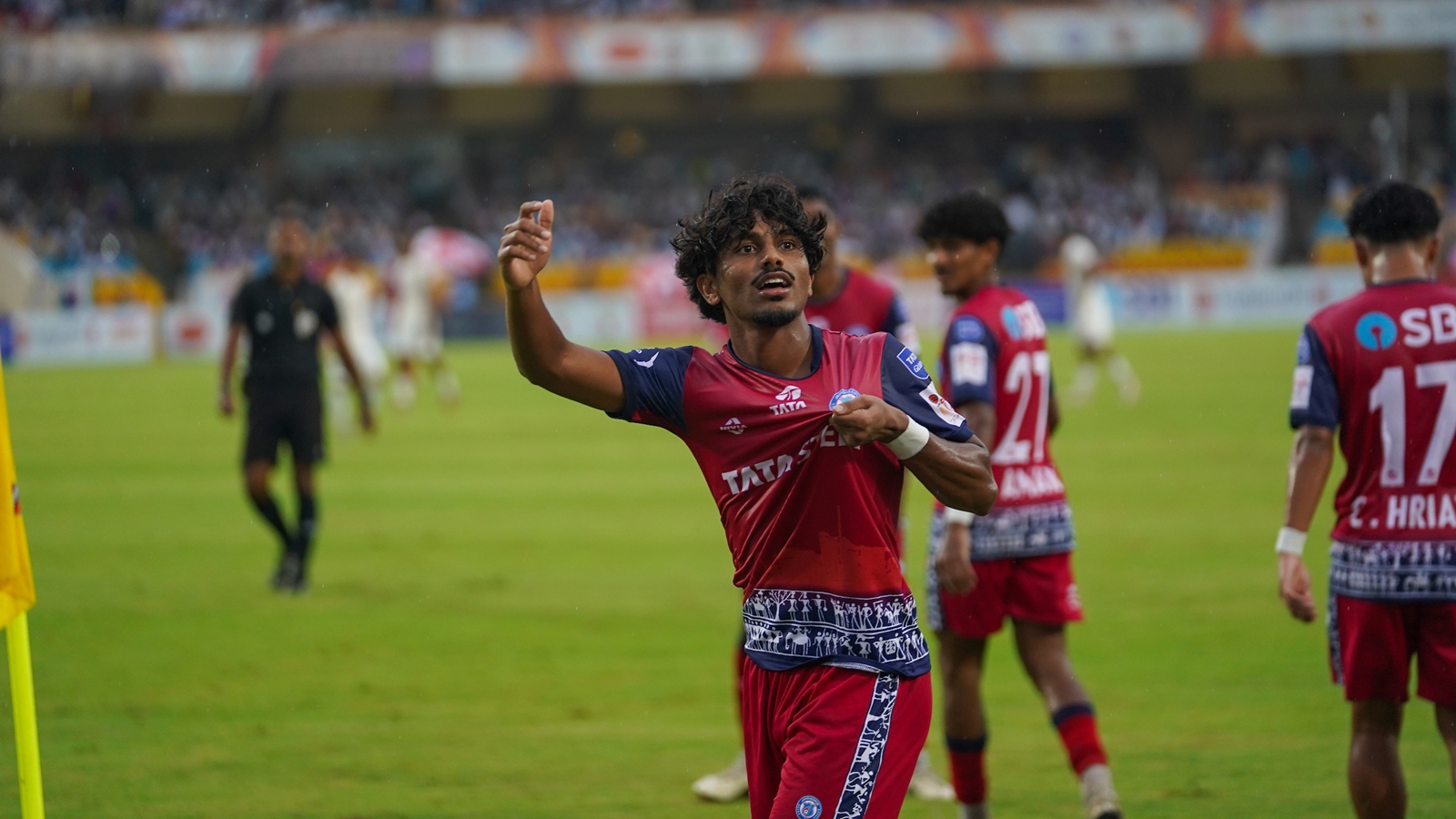
Jamshedpur FC's decision to withdraw from the Indian Super League has sent shockwaves in Indian football, exposing the financial challenges threatening the sustainability of Indian football clubs. Industry estimates suggest that the ISL clubs are facing approximately Rs 25-30 crore losses every season.
Indian football is in trouble because some teams are losing a lot of money. This is because they are paying their players too much and not getting enough money from TV broadcasts. It's like a big business that's not working out, and it's affecting the whole sport.
Analysis
A $60B Vote of Confidence
Jamshedpur FC's shock exit has sent shockwaves in Indian football, exposing the financial challenges threatening the sustainability of Indian football clubs. Industry estimates suggest that the ISL clubs are facing approximately Rs 25-30 crore losses every season. This is not a new phenomenon; financial bleed and mounting losses have been a part of the Indian football ecosystem for a while now. However, Jamshedpur FC's decision to withdraw from the Indian Super League has caught everyone off guard, especially given the Tata group's long-standing association with Indian football.
The financial struggles of ISL clubs are multifaceted. One major blow is the expiry of FSDL's commercial agreement with the AIFF. Under that deal, Reliance's subsidiary paid the federation Rs 50 crore annually. Broadcast revenues have since collapsed, with the per-match valuation reportedly falling from Rs 1.68 crore during the 2024-25 season to just Rs 9.5 lakh last season. This has left clubs with a significant financial burden, with many struggling to break even.
Another factor contributing to the financial struggles of ISL clubs is the soaring wage bills. Hyderabad FC, unable to sustain its losses, was sold to the BC Jindal Group last year and rebranded as SC Delhi. CEO Dhruv Sood said the club consciously resisted entering the salary spiral. "We've always maintained one principle: if we can't afford a player, we won't sign him and put the club's future at risk. We haven't received a single rupee in central revenues yet, so we're still absorbing losses. But we're working towards breaking even. The biggest cost, that is the player wages, is still in our control," he said.
At Chennaiyin FC, CEO Ekansh Gupta believed course correction was a solution. "The biggest challenge today is player salaries. There has to be a market correction. Clubs have to accept responsibility too—it wasn't just agents or players driving salaries up. We, as clubs, also contributed to that inflation. That correction won't happen overnight because many players are on long-term contracts. As those deals expire over the next year or two, salaries will gradually reset to more sustainable levels," he said.
The Indian Express has learned that Kerala Blasters and Diamond Harbour FC are currently in a non-functional state. Magnum Sports, owners of the Blasters, are in discussions over a complete stake sale, while the newly promoted Diamond Harbour FC face an uncertain future following the 2026 West Bengal legislative assembly elections.
While the situation may seem bleak, there are still reasons to be optimistic. "A lot of work is happening behind the scenes right now. Indian football is not just about doom and gloom. Yes, Jamshedpur stepping away is a setback. But if the rest of the ecosystem remains strong, Indian football can move forward," said FC Goa CEO Ravi Puskar.
The broadcast tender is currently being finalised, and a partner is expected to be in place for the next two to four years. This could provide a much-needed boost to the league's finances and help clubs to break even. However, the road ahead will be challenging, and it remains to be seen whether Indian football can overcome its financial struggles and emerge stronger.
Key points
- Jamshedpur FC's shock exit has exposed the financial challenges threatening the sustainability of Indian football clubs.
- Industry estimates suggest that the ISL clubs are facing approximately Rs 25-30 crore losses every season.
- The financial struggles of ISL clubs are multifaceted, including the expiry of FSDL's commercial agreement with the AIFF and the soaring wage bills.
- A new broadcast partner could provide a much-needed boost to the league's finances, and the introduction of a more efficient salary structure could help clubs to break even.
- The loss of Jamshedpur FC is a significant blow, and if other teams follow suit, the league could collapse.
If the ISL clubs can find a way to reduce their costs and increase their revenue, Indian football could become a more sustainable and successful sport. A new broadcast partner could provide a much-needed boost to the league's finances, and the introduction of a more efficient salary structure could help clubs to break even.
If the financial struggles of ISL clubs continue, Indian football could face a major crisis. The loss of Jamshedpur FC is a significant blow, and if other teams follow suit, the league could collapse. This would have a devastating impact on the sport and its fans.