Why Movie Tie-In Games Are Rarely Sold Anymore
Movie tie-in games were once a staple of the gaming industry, but have largely disappeared due to rising costs and development times. The licensing fees, revenue shares, and costs of using film stars' likenesses have become too great for most studios to justify. Indie dev…
Intelligence analysis by Llama
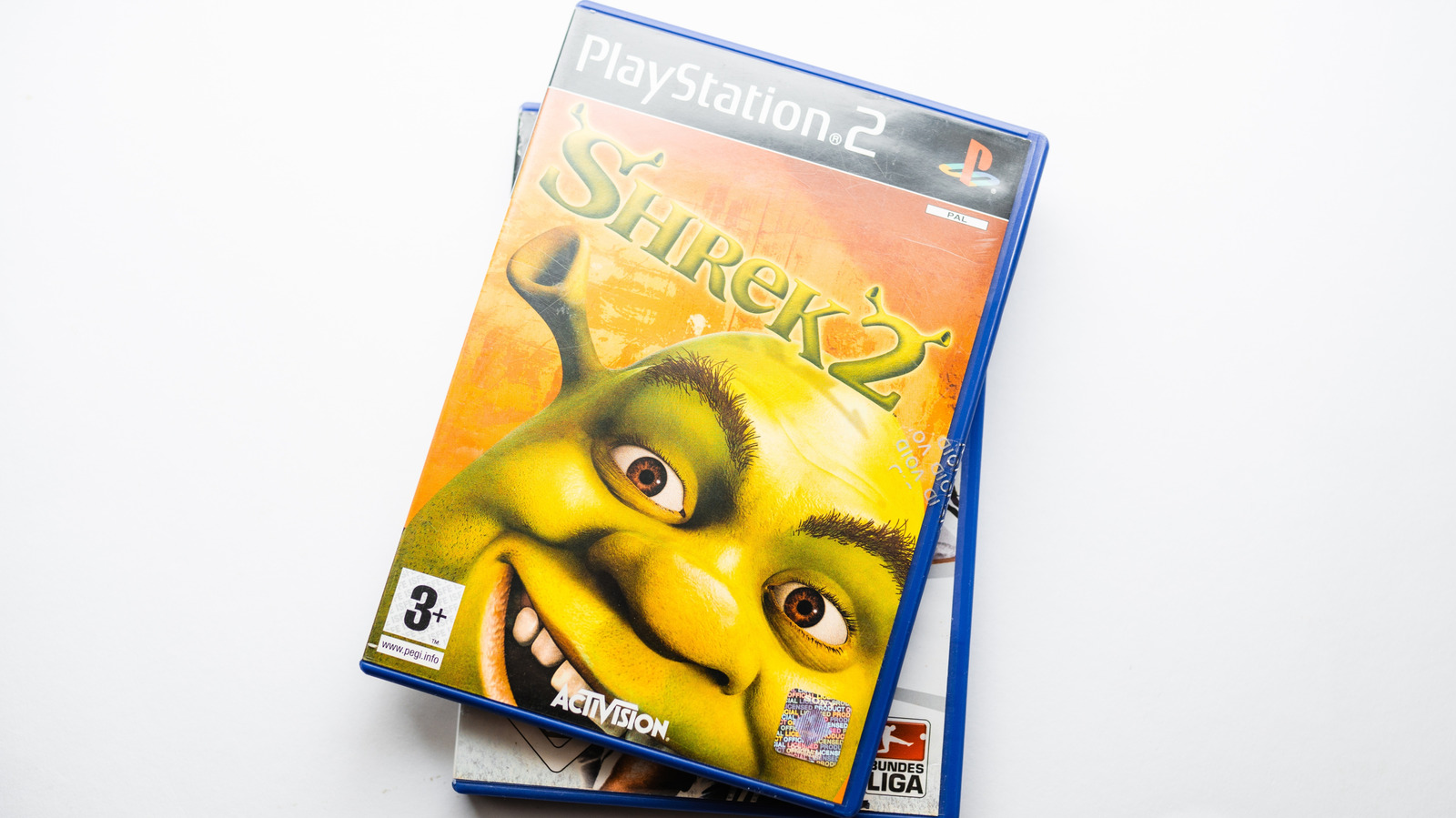
The decline of movie tie-in games is due to the increasing costs of development, licensing fees, and the time it takes to produce a game. Indie developers are not a viable alternative, as they lack the budget to afford licensing fees and the risk of working with a large film studio's IP.
Imagine you're making a game based on a movie. It's like making a cake, but instead of flour and sugar, you need to use special ingredients like movie characters and storylines. The problem is, these ingredients are very expensive, and it takes a long time to make the cake. So, most people don't make movie tie-in games anymore because it's too hard and too expensive. Instead, they make games that are set in the same world as the movie, but not directly based on it.
Analysis
The Rise and Fall of Movie Tie-In Games
The movie tie-in game was once a staple of the gaming industry, with over 30 licensed games based on movies released in 2007. However, in recent years, the production of movie tie-in games has declined significantly, with only a few exceptions. The reasons for this decline are complex and multifaceted, but can be attributed to the increasing costs of development, licensing fees, and the time it takes to produce a game.
The Cost of Development
The cost of developing a game has increased exponentially over the years. In 2004, it cost $40 million to produce Half-Life 2, while in 2025, Marvel's Spider-Man 2 cost approximately $300 million. This increase in cost has made it difficult for studios to justify the development of movie tie-in games, as the risk of financial loss is too great.
Licensing Fees
In addition to the cost of development, movie tie-in games also come with additional costs, including licensing fees. These fees can be significant, and can range from a few million dollars to tens of millions of dollars. The licensing fees are typically paid to the film company, and can be a flat fee or a revenue share.
The Problem with Indie Developers
While indie developers may seem like a viable alternative to AAA studios, they are not a viable option for movie tie-in games. The average budget for an indie game is between $10,000 and $300,000, which is not enough to cover the costs of licensing fees. Additionally, indie developers may not have the resources or expertise to develop a game of the same quality as a AAA studio.
The Future of Movie Tie-In Games
While the decline of movie tie-in games is a significant loss for the gaming industry, it may also be an opportunity for innovation. With the rise of indie developers and the increasing popularity of games set within an IP's universe, there may be new opportunities for movie tie-in games in the future. However, for now, it seems that the decline of movie tie-in games is a trend that is unlikely to reverse itself anytime soon.
Conclusion
The decline of movie tie-in games is a complex issue, with multiple factors contributing to its decline. However, the increasing costs of development, licensing fees, and the time it takes to produce a game are the primary reasons for this decline. While indie developers may seem like a viable alternative, they are not a viable option for movie tie-in games. The future of movie tie-in games is uncertain, but it seems that the trend of decline is unlikely to reverse itself anytime soon.
Key points
- The decline of movie tie-in games is due to the increasing costs of development, licensing fees, and the time it takes to produce a game.
- Indie developers are not a viable alternative for movie tie-in games due to the lack of budget to afford licensing fees.
- The future of movie tie-in games is uncertain, but it seems that the trend of decline is unlikely to reverse itself anytime soon.
- The rise of indie developers and games set within an IP's universe may lead to new opportunities for innovation in the gaming industry.
- The decline of movie tie-in games is a significant loss for the gaming industry, and it may be difficult to replace the loss.
There is still a possibility that movie tie-in games could make a comeback in the future. With the rise of indie developers and the increasing popularity of games set within an IP's universe, there may be new opportunities for movie tie-in games. Additionally, the decline of movie tie-in games may also lead to innovation and new ideas in the gaming industry.
The decline of movie tie-in games is a significant loss for the gaming industry, and it may be difficult to reverse this trend. The increasing costs of development, licensing fees, and the time it takes to produce a game make it challenging for studios to justify the development of movie tie-in games. Additionally, the rise of indie developers and games set within an IP's universe may not be enough to replace the loss of movie tie-in games.


