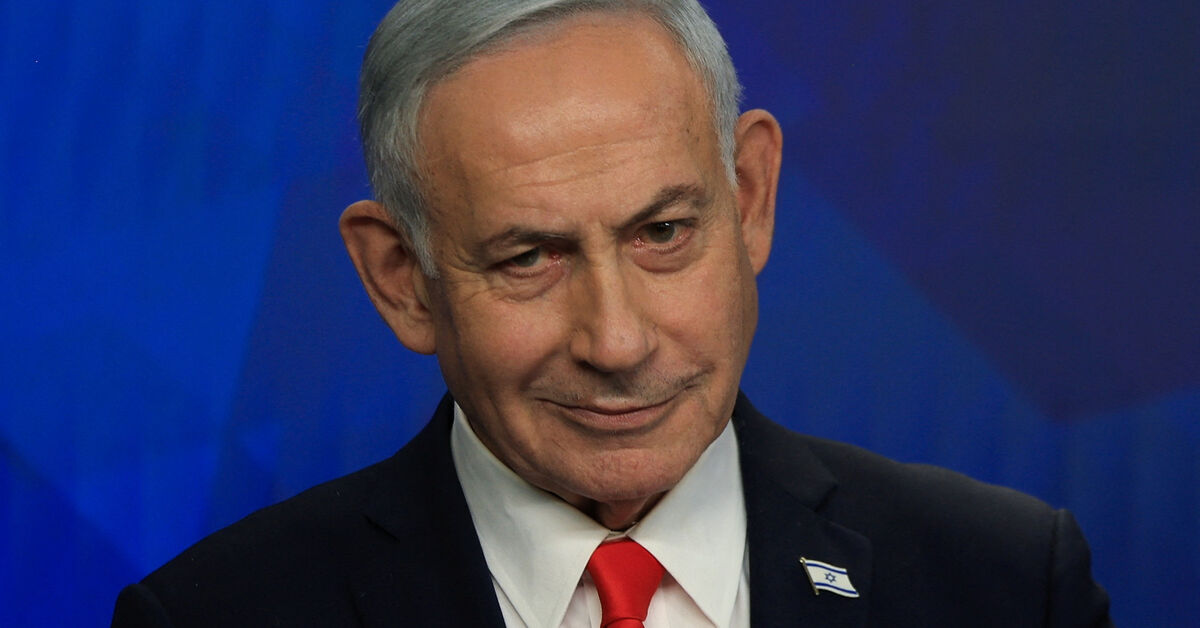
Why Netanyahu Wants to Wreck Trump's Iran Deal
The article argues Netanyahu wants to derail a near-complete US-Iran deal because any settlement that leaves Iran intact is, in his view, a defeat.
Intelligence analysis by GPT-5.4 Mini

Sami Al-Arian says Netanyahu sees diplomacy with Iran as incompatible with his goal of “absolute victory” and a region reordered around Israeli dominance. The piece argues Trump faces growing domestic and international pushback against another Middle East war, making a new deal harder to blow up.
The article says Netanyahu wants to stop the US and Iran from making peace because he thinks any deal that leaves Iran standing is a loss. It is like one person at a game refusing a draw because they only want to keep playing until the other side is gone.
Analysis
Netanyahu’s objective
The article says Netanyahu does not adjust to new realities; instead, he tries to force them through escalation, crisis, and war. On that reading, diplomacy with Iran is not a compromise to manage, but a threat to his broader project. The author argues that Netanyahu wants more than a pause in fighting: he wants outcomes that disarm Hamas and Islamic Jihad, weaken Hezbollah, and ultimately neutralize the Iranian state.
Why the Iran deal matters
The piece says Trump was close to signing a memorandum of understanding with Iran, and that Netanyahu is determined to stop it. If diplomacy succeeds, the author argues Netanyahu will use political pressure, military action, media, and lobbying to sabotage it. The article places the current fighting in Gaza, Lebanon, Syria, Iraq, Yemen, and Iran in one connected regional campaign rather than separate conflicts.
Trump’s constraints
The article argues Trump is operating in a more difficult environment than before. It points to rising anti-intervention sentiment in the US, including criticism from figures associated with the Maga movement. It also says economic pressure is growing, with energy markets vulnerable, gasoline prices elevated, and inflation hurting consumer confidence.
The wider strategic shock
A major claim in the article is that the Strait of Hormuz crisis exposed the limits of US power. The author says the disruption showed how vulnerable Gulf states and the global economy are to regional escalation, and how difficult it is for Washington to restore normal shipping by force alone. The article’s overall case is that Netanyahu still wants a larger war, while Trump faces growing costs if he follows that path.
Key points
- The article says Netanyahu views diplomacy with Iran as a defeat unless it ends with Iran destroyed or neutralized.
- It argues the wars across Gaza, Lebanon, Syria, Iraq, Yemen, and Iran are part of one broader push for Israeli dominance.
- Trump is portrayed as facing stronger anti-war sentiment at home, including criticism from Maga-aligned figures.
- The piece says rising energy costs and inflation make another Middle East war politically dangerous for the White House.
- It argues the Strait of Hormuz crisis exposed both Gulf vulnerability and the limits of US military power.
If diplomacy holds, the US and Iran could avoid a wider war that would threaten shipping, energy supplies, and regional stability. A ceasefire or understanding could also reduce pressure on Gulf economies and give Washington more room to focus on domestic politics.
If Netanyahu succeeds in derailing the deal, the region could move toward another round of escalation with higher risks for US bases, Gulf shipping, and energy prices. The article suggests Trump could also face growing political and economic fallout at home if the conflict deepens.