Why Pakistan's Minister of Interior Suggesting New States Has Sparked a Political Storm
Pakistan's Minister of Interior, Mohsin Naqvi, has sparked a political storm by suggesting the creation of new states. The proposal has been met with criticism from opposition parties and nationalist groups, who argue that it could exacerbate social and economic divisions.
Intelligence analysis by Llama
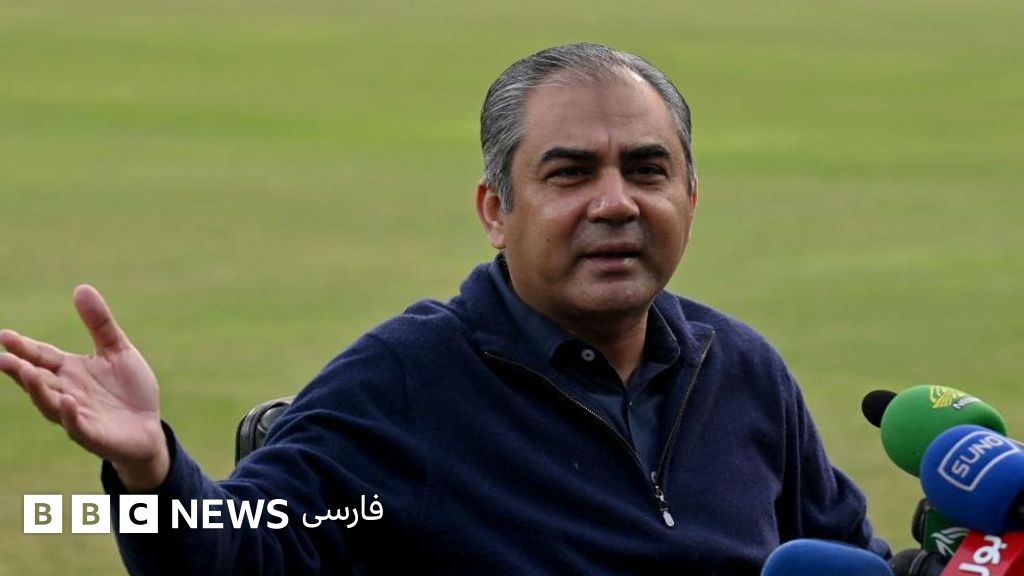
Pakistan's Minister of Interior, Mohsin Naqvi, has suggested creating new states to improve governance and address the country's deep-seated problems. However, his proposal has been met with criticism from opposition parties and nationalist groups, who argue that it could exacerbate social and economic divisions.
Imagine Pakistan is a big puzzle with many different pieces. The government is trying to fix the puzzle by creating new pieces, but some people think this will make the puzzle even harder to solve. They are worried that the new pieces will create more problems than they solve.
Analysis
The Context of the Proposal
Mohsin Naqvi, Pakistan's Minister of Interior, has suggested creating new states to improve governance and address the country's deep-seated problems. The proposal has been met with criticism from opposition parties and nationalist groups, who argue that it could exacerbate social and economic divisions.
The idea of creating new states in Pakistan is not new. In fact, the country has a long history of regionalism and nationalism, with different groups vying for power and influence. However, the current proposal has sparked a heated debate about the country's governance and the role of the military in politics.
The Military's Role in Politics
Pakistan's military has played a significant role in the country's politics for decades. The military has intervened in politics on several occasions, and its influence is still felt today. The current proposal has sparked concerns that the military is trying to consolidate its power and influence in the country's politics.
The Implications of the Proposal
The proposal to create new states in Pakistan has significant implications for the country's stability and the balance of power between different groups. If implemented, the proposal could lead to the creation of new power centers, which could challenge the authority of the federal government. It could also exacerbate social and economic divisions, leading to further instability in the country.
The Reaction of Opposition Parties
Opposition parties in Pakistan have criticized the proposal, arguing that it is a ploy by the military to consolidate its power and influence in the country's politics. They argue that the proposal is a threat to the country's democracy and could lead to further instability in the country.
The Way Forward
The proposal to create new states in Pakistan is a complex issue that requires careful consideration and debate. The government and opposition parties must work together to find a solution that addresses the country's deep-seated problems and promotes stability and democracy.
Key points
- Pakistan's Minister of Interior, Mohsin Naqvi, has suggested creating new states to improve governance and address the country's deep-seated problems.
- The proposal has been met with criticism from opposition parties and nationalist groups, who argue that it could exacerbate social and economic divisions.
- The military's role in politics is a significant concern, and the proposal has sparked concerns that the military is trying to consolidate its power and influence in the country's politics.
- The proposal has significant implications for the country's stability and the balance of power between different groups.
- Opposition parties have criticized the proposal, arguing that it is a threat to the country's democracy and could lead to further instability in the country.
If the proposal to create new states in Pakistan is implemented successfully, it could lead to improved governance and stability in the country. The creation of new power centers could also promote democracy and reduce the influence of the military in politics.
However, the proposal also carries significant risks, including the exacerbation of social and economic divisions. If not implemented carefully, it could lead to further instability in the country and even threaten the country's democracy.