Why Some USB Ports Are Purple (And Why They're Rarely Sold In The US)
Purple USB ports are not an official standard, but they often signal fast charging and higher data speeds. The color is mostly tied to specific brands, especially Huawei.
Intelligence analysis by GPT-5.4 Mini
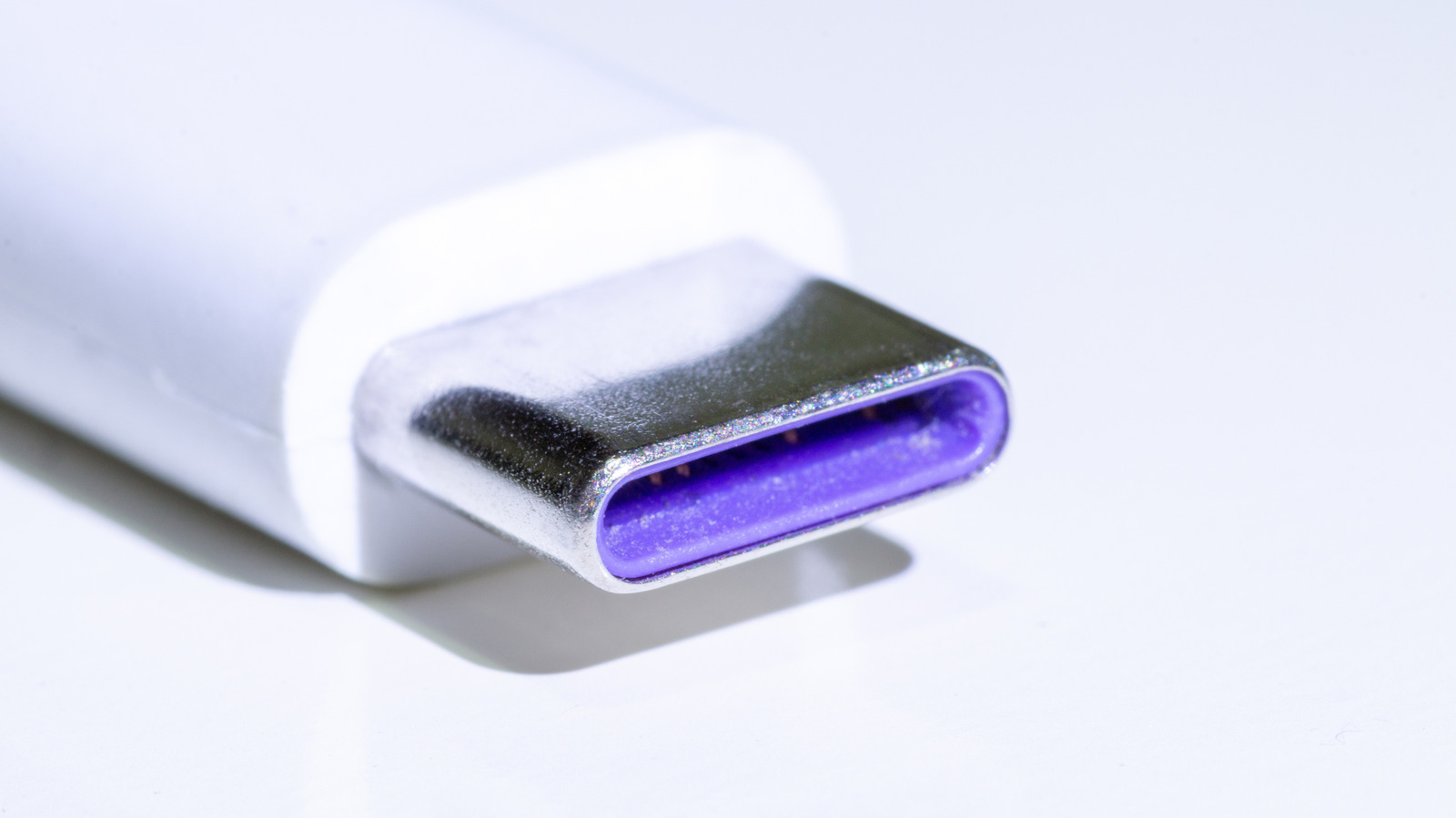
The article explains that USB port colors are only rough clues, not universal rules. Purple often points to fast-charging or higher-speed hardware, but because it is tied to a few manufacturers and not USB-IF standards, it is uncommon in the US.
Purple USB ports are like a sticker on a lunchbox: they can hint at what is inside, but they do not guarantee it. The article says purple often means fast charging, but the only safe way to know is to check the real label on the cable or port.
Analysis
Purple is a clue, not a standard
The story says purple USB ports and connectors are usually associated with faster charging or faster data, but the USB-IF does not assign any official meaning to purple. Only a few colors are standardized, such as white for USB 1.0, black for USB 2.0, and blue for USB 3.0-class ports.
Why it is uncommon in the US
A big reason Americans rarely see purple USB connectors is that Huawei, one of the companies most associated with the color, cannot legally sell its smartphones in the US because of trade sanctions tied to China. The article says Huawei has used purple on some SuperCharge hardware, while newer chargers and cables from the company tend to use orange instead.
Color can still be confusing
The piece notes that different makers use colors differently. Some non-Huawei cable makers use purple or teal to mark USB 3.1 Gen 2 accessories, while red, yellow, and green may also be used for various charging or speed labels. That means color alone is not reliable proof of what a port or cable can do.
What buyers should check instead
The article recommends looking for USB-IF certification and the actual data or power spec. For power delivery, that means checking the PD version and wattage rating. For data, it means checking whether a cable or port supports USB 3.1, USB 4, or Thunderbolt-class speeds. The core advice is simple: if performance matters, read the label, not the paint.
Key points
- Purple USB connectors often suggest fast charging or higher data speeds, but the color is not an official USB standard.
- Huawei has used purple for some SuperCharge hardware, which helps explain why the color is rarely seen in the US.
- USB-IF only standardizes a few colors, and manufacturers often invent their own meanings for the rest.
- The article says color alone is not a dependable way to judge a cable or port's real performance.
- Buyers should check USB-IF certification and the listed power or data specification instead of trusting appearance.
If more brands stick to clear certification labels, shoppers can choose cables and chargers with less guesswork. That could reduce wasted money, bad charging experiences, and safety problems from mismatched hardware.
If companies keep using their own color systems, people may keep buying the wrong cables and chargers. The article warns that this can affect battery life, energy use, and even create safety risks if the hardware is misused.