Why South Korea is racing to build a sovereign AI model for cybersecurity
South Korea plans to develop its own cybersecurity-focused artificial intelligence model by the end of this year, after a brief US clampdown on advanced systems exposed the risks of relying on foreign technology for national cyber defence.
Intelligence analysis by Llama
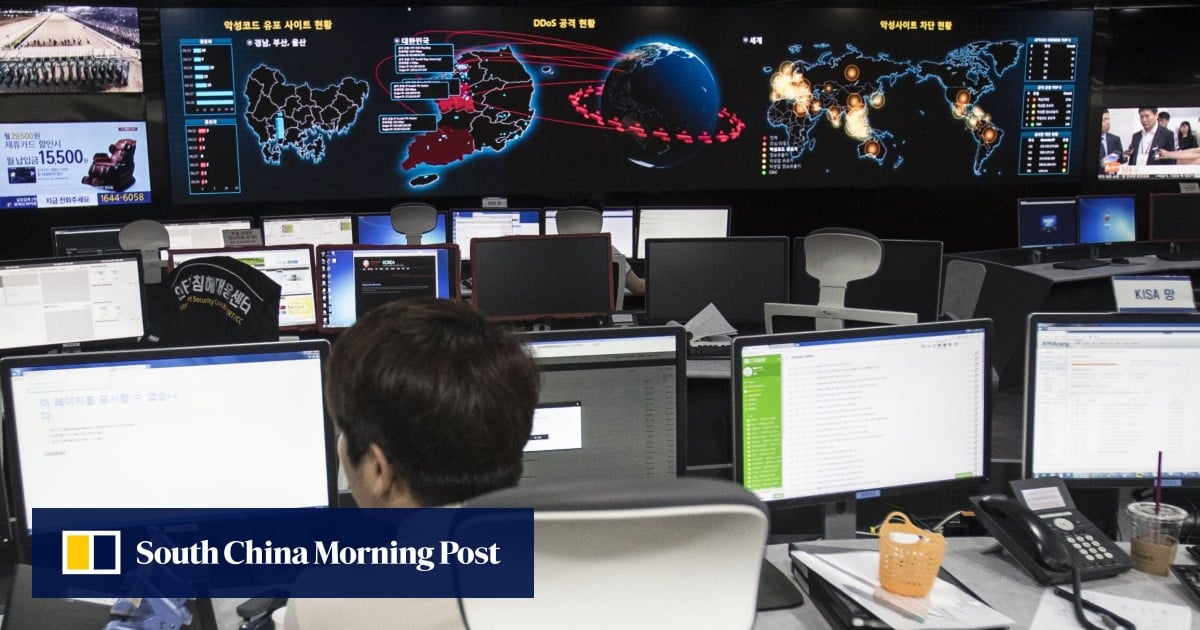
South Korea is racing to build a sovereign AI model for cybersecurity, driven by fears over access to foreign AI models and a push for AI sovereignty. The initiative reflects a broader effort to reduce reliance on foreign providers and develop domestic AI capabilities.
Imagine you have a super powerful computer that can help keep your country's important systems safe from hackers. That's what South Korea is trying to build, but it needs to do it on its own because it's worried that if it relies on foreign technology, it might not be able to control it. It's like building a strong wall to keep your house safe, but instead of a wall, it's a super powerful computer.
Analysis
A $60B Vote of Confidence
South Korea's plan to develop its own cybersecurity-focused AI model by the end of this year is a significant step towards achieving AI sovereignty. The initiative reflects a broader push for domestic AI capabilities, driven by fears over access to foreign AI models and a growing recognition of the risks associated with relying on foreign technology for national cyber defence. The US clampdown on advanced AI models, including Anthropic's Mythos 5, has accelerated Seoul's efforts to control the systems used to defend critical infrastructure.
Why Cursor?
The initiative to develop a sovereign AI model is not without its challenges. Analysts have pointed out that South Korea would need to overcome a persistent gap in AI software, computing capacity, and large-scale training to develop a frontier model capable of competing with the world's most advanced systems. However, the government's commitment to AI sovereignty and its willingness to invest in domestic AI capabilities suggest that the country is serious about overcoming these challenges.
The Road Ahead
The development of a sovereign AI model is a significant step towards achieving AI sovereignty, but it is only the first step. South Korea would need to continue to invest in domestic AI capabilities and develop a robust ecosystem to support the growth of its AI industry. This would require significant investment in AI research and development, as well as the creation of a skilled workforce with expertise in AI and related fields.
Key points
- South Korea plans to develop its own cybersecurity-focused AI model by the end of this year.
- The initiative reflects a broader push for AI sovereignty and a desire to reduce reliance on foreign providers.
- The development of a sovereign AI model is a significant step towards achieving AI sovereignty, but it is only the first step.
- South Korea would need to continue to invest in domestic AI capabilities and develop a robust ecosystem to support the growth of its AI industry.
- The country would need to overcome significant gaps in AI software, computing capacity, and large-scale training to develop a frontier model capable of competing with the world's most advanced systems.
If South Korea is successful in developing its own sovereign AI model, it could lead to significant improvements in the country's cybersecurity capabilities and reduce its reliance on foreign technology. This could also create new opportunities for the country's AI industry and help to establish South Korea as a leader in AI research and development.
However, the development of a sovereign AI model is a complex and challenging task, and South Korea may face significant obstacles in overcoming the gaps in AI software, computing capacity, and large-scale training. If the country is unable to overcome these challenges, it may struggle to develop a frontier model capable of competing with the world's most advanced systems.