‘Why the hurry?' Punjab Assembly opposes E20 policy, alleges Centre acted under US pressure
The Punjab Assembly has passed a resolution opposing the Centre's E20 ethanol-blended fuel policy, citing concerns over vehicle damage and the Centre's alleged decision to implement the policy under US pressure.
Intelligence analysis by Llama
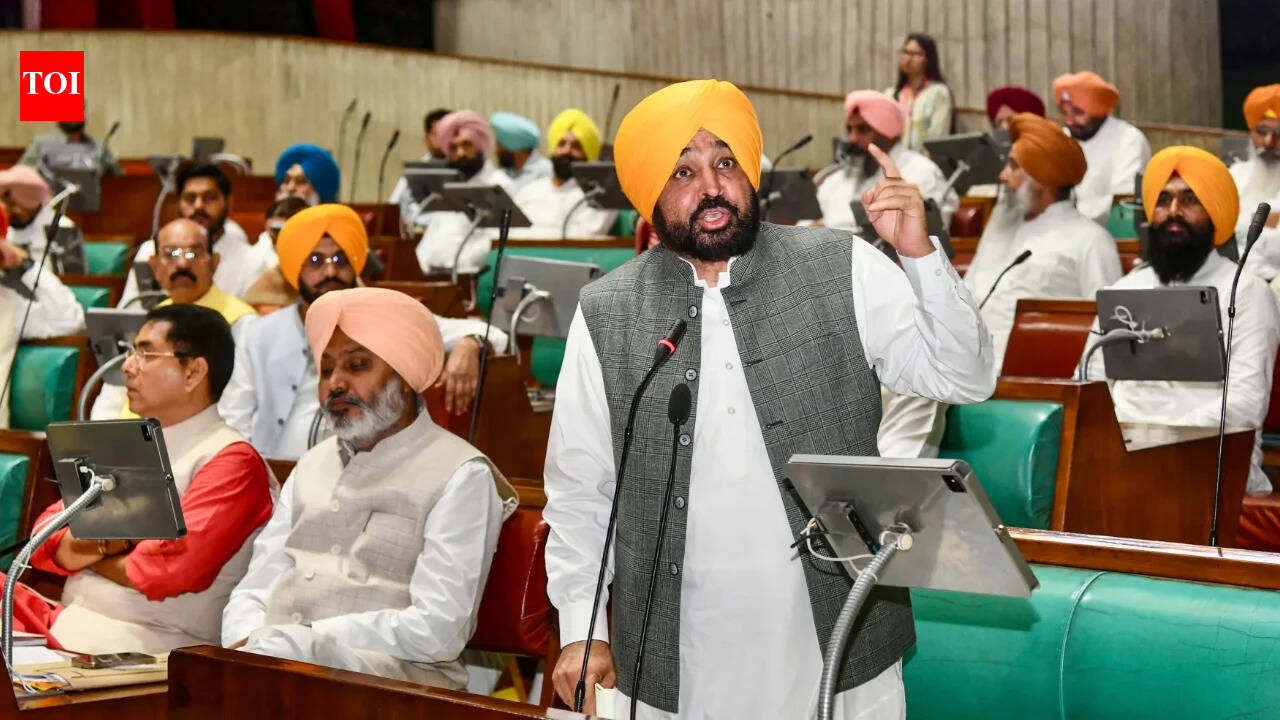
The Punjab Assembly has passed a resolution opposing the Centre's E20 ethanol-blended fuel policy, citing concerns over vehicle damage and the Centre's alleged decision to implement the policy under US pressure. The resolution comes amid the Aam Aadmi Party's nationwide campaign against the E20 fuel policy.
The Punjab Assembly is opposing a new fuel policy that could damage some cars. They think the government made this decision because of pressure from the United States, which is a big producer of ethanol. This policy could affect many people and the economy, so the Assembly wants to make sure it's safe and fair for everyone.
Analysis
A $60B Vote of Confidence
The Punjab Assembly's resolution opposing the E20 fuel policy is a significant development in the country's energy landscape. The Centre's decision to implement the policy under US pressure has raised concerns over vehicle damage and the potential impact on the automotive industry. The resolution highlights the need for a more nuanced approach to energy policy, one that takes into account the potential risks and benefits of E20 fuel.
Why Cursor?
The Centre's decision to accelerate the rollout of the E20 fuel policy has been met with resistance from several states, including Punjab. The state's finance minister, Harpal Singh Cheema, has questioned the Centre's decision, citing concerns over vehicle damage and the potential impact on the economy. The Centre's alleged decision to implement the policy under US pressure has also raised eyebrows, with many questioning the motivations behind the move.
The Road Ahead
The Punjab Assembly's resolution opposing the E20 fuel policy is a significant step in the right direction. It highlights the need for a more transparent and inclusive approach to energy policy, one that takes into account the concerns and needs of all stakeholders. As the country moves forward with the implementation of the E20 fuel policy, it is essential that the Centre engages in a more constructive dialogue with the states and other stakeholders to address the concerns and potential risks associated with the policy.
Key points
- The Punjab Assembly has passed a resolution opposing the Centre's E20 ethanol-blended fuel policy.
- The resolution cites concerns over vehicle damage and the Centre's alleged decision to implement the policy under US pressure.
- The Centre's decision to accelerate the rollout of the E20 fuel policy has been met with resistance from several states.
- The Punjab Assembly wants the Centre to engage in a more constructive dialogue with the states and other stakeholders to address the concerns and potential risks associated with the policy.
If the Centre engages in a more constructive dialogue with the states and other stakeholders, it is possible that a more nuanced and inclusive approach to energy policy can be achieved. This could lead to a more sustainable and equitable energy landscape for the country.
If the Centre continues to push for the implementation of the E20 fuel policy without addressing the concerns and potential risks associated with it, it could lead to widespread vehicle damage and economic disruption. This could have far-reaching consequences for the country's energy policy and the automotive industry.