Why Trump administration’s plan to attempt to destroy Pfas is ‘nonsensical’
EPA wants to weaken Biden-era PFAS drinking-water limits while backing unproven destruction tech, drawing criticism from public-health advocates.
Intelligence analysis by GPT-5.4 Mini
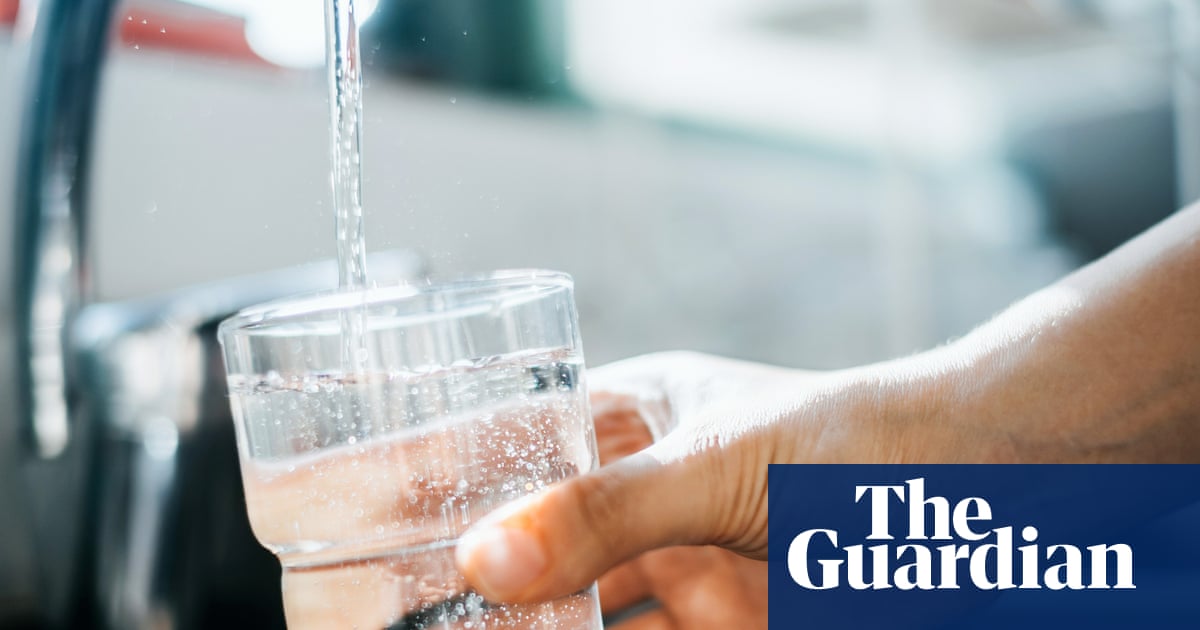
The Trump administration is treating PFAS contamination as a cleanup-technology problem instead of a regulation problem. Critics say that is backward, because the tools to fully destroy these chemicals at scale do not yet exist, while weaker rules would let pollution continue.
PFAS are tiny chemicals that are very hard to get rid of, like glitter that sticks to everything. They can end up in water, soil and even air.
The government is saying it can clean them up later with new machines. But critics say those machines are not ready to work well on a giant scale, so that plan is shaky.
It is like promising to mop up a huge spill with a tool that is still being built, while also turning off the rules that stop the spill in the first place.
Analysis
What changed
The EPA has moved to roll back strong Biden-era drinking-water limits for four PFAS compounds and delay enforcement on two more. At the same time, Trump administration officials are promoting a broader push to destroy PFAS, presenting that approach as an alternative to strict regulation.
Why critics object
Advocates and former regulators say the plan is backwards. They argue that fully destroying PFAS at industrial scale is not yet a solved problem, and that current methods such as incineration or thermal treatment may only break the chemicals into smaller byproducts rather than eliminate them. Those byproducts can still be harmful, and many regulatory tests are not designed to catch them.
The article frames this as a familiar pattern: use a still-unproven technology to claim progress while avoiding tighter pollution limits. Kyla Bennett, a former EPA scientist now with Public Employees for Environmental Responsibility, says the idea of destroying the problem away is not credible.
The money angle
Laura Orlando, a Boston University waste-management engineer, says the incentives point toward industry interests. PFAS already contaminate sewage sludge, hazardous waste streams and air emissions from incinerators. The proposed fix would rely on costly new destruction systems instead of reducing production or use.
The article also highlights the scale of the economics problem: removing PFAS from water can cost far more than buying the chemicals themselves, and that cost does not even include destruction. In practice, the rollback could leave communities paying more while polluters face less pressure to change.
Key points
- The EPA is moving to weaken Biden-era PFAS drinking-water limits for four compounds and delay two more.
- The administration is promoting destruction technology as an alternative, but critics say full-scale PFAS destruction does not yet exist.
- Former regulators and advocates argue the plan benefits industry by avoiding stricter pollution controls.
- The article says current destruction methods may leave harmful PFAS byproducts behind.
- Cleanup is expensive, and the costs could fall more heavily on taxpayers and communities.