Why US-backed biological labs are sparking controversy again
A US official has revealed that over 120 biological labs in more than 30 countries, including Ukraine, have received funding from the US government. This has sparked controversy, with some Russian media outlets accusing the US of creating a biological threat.
Intelligence analysis by Llama
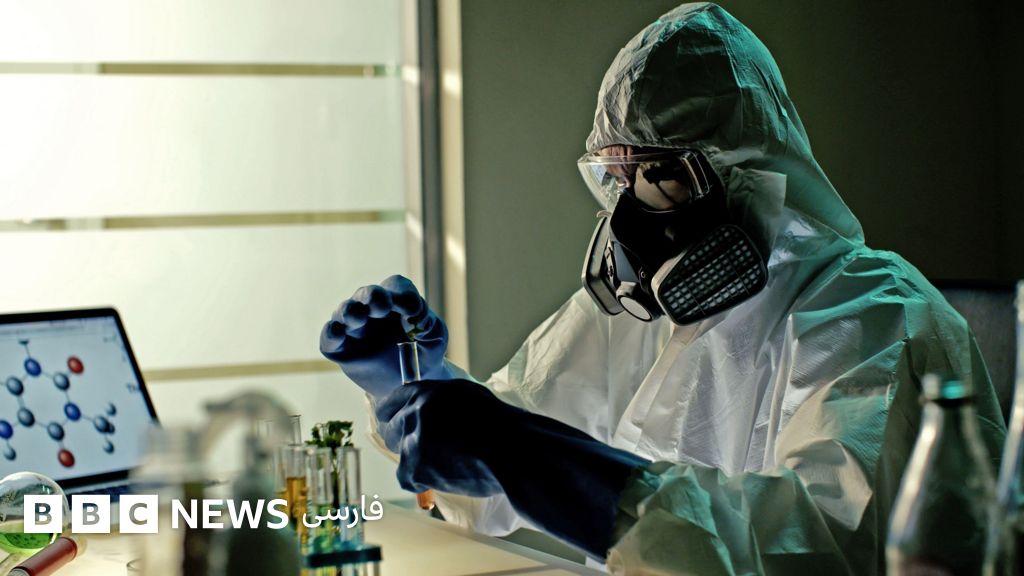
A US official has revealed that over 120 biological labs in more than 30 countries, including Ukraine, have received funding from the US government. This has sparked controversy, with some Russian media outlets accusing the US of creating a biological threat.
Imagine you have a big lab where scientists study tiny things that can make people sick. The US government gives money to these labs to help them do their research. But some people are worried that these labs might be making these tiny things even more powerful, which could be bad news for people in the area.
Analysis
A $60B Vote of Confidence
The US government has provided funding to over 120 biological labs in more than 30 countries, including Ukraine. This has sparked controversy, with some Russian media outlets accusing the US of creating a biological threat. The labs in question are involved in research on biological agents and have been accused of conducting 'gain-of-function' research, which involves increasing the potency of biological agents. This has raised concerns about the potential risks of these labs in sensitive regions.
Why the Controversy?
The controversy surrounding the US-backed biological labs is not new. In 2016, a lab in Almaty, Kazakhstan, was opened with funding from the US Department of Defense. The lab was designed to conduct research on biological agents and was equipped with level 4 biosafety equipment. However, the lab has been accused of conducting 'gain-of-function' research, which has raised concerns about the potential risks of the lab.
The Road Ahead
The controversy surrounding the US-backed biological labs is likely to continue. The US government has stated that the labs are necessary for national security, but critics argue that the risks associated with these labs outweigh any potential benefits. The situation is further complicated by the fact that the labs are located in sensitive regions, where the potential risks of a biological accident are high.
Key points
- The US government has provided funding to over 120 biological labs in more than 30 countries.
- The labs are involved in research on biological agents and have been accused of conducting 'gain-of-function' research.
- The controversy surrounding the US-backed biological labs is not new and has been ongoing for several years.
- The US government has stated that the labs are necessary for national security, but critics argue that the risks associated with these labs outweigh any potential benefits.
If the US government continues to provide funding for these labs, it could lead to breakthroughs in medical research and the development of new treatments for diseases.
If the labs are not properly regulated, there is a risk of a biological accident occurring, which could have devastating consequences for people in the area.

