Why Visa, Mastercard and Coinbase aren't abandoning USDC stablecoin for Open USD
The launch of Open USD, backed by Coinbase, Visa and Mastercard, initially sparked fears of a direct challenge to Circle’s USDC and wiped billions from Circle’s market value. Executives at Coinbase, Visa and Mastercard now say they are pursuing a multi-stablecoin, multi-c…
Intelligence analysis by Llama
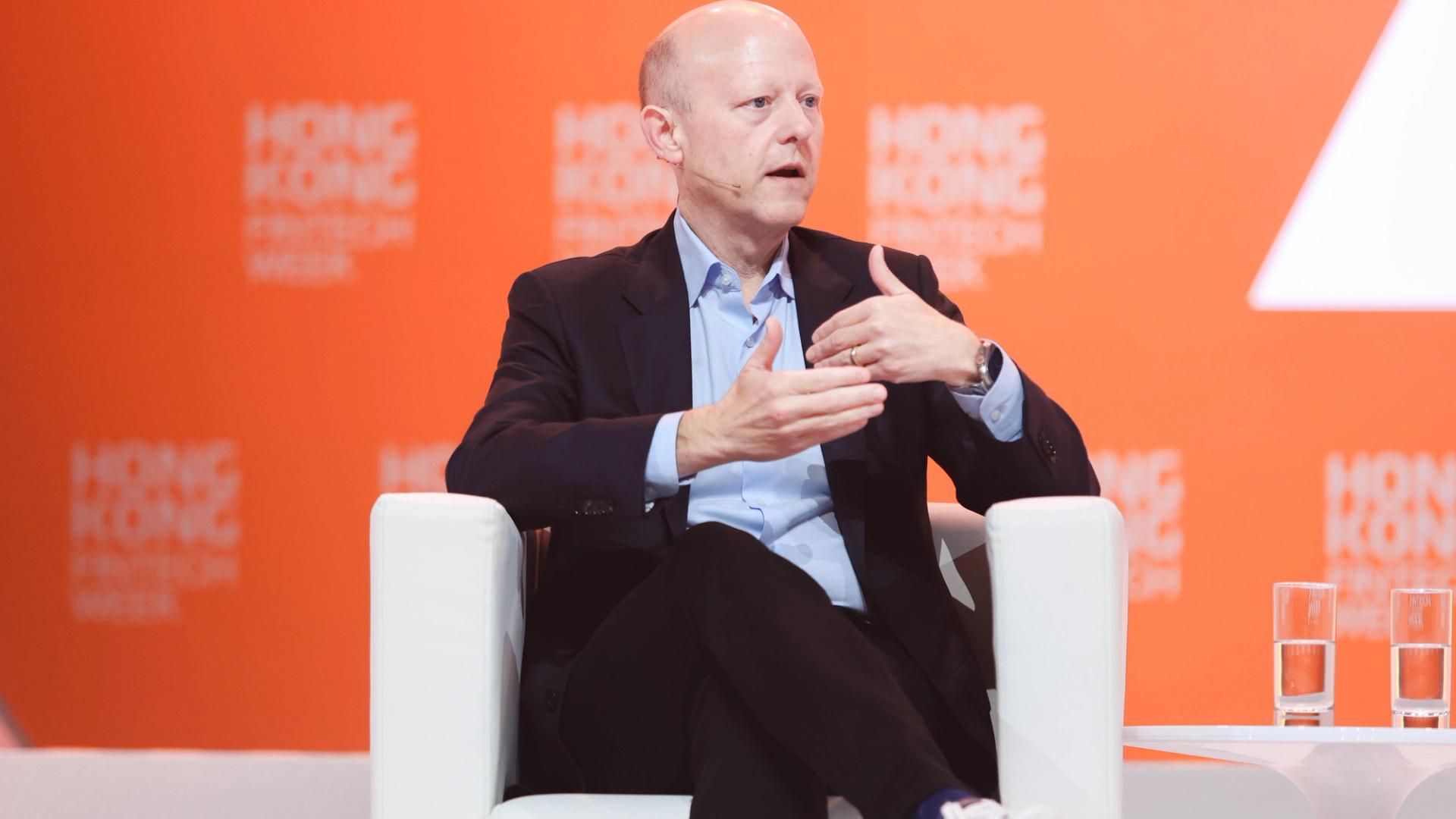
Executives at Coinbase, Visa and Mastercard say they are pursuing a multi-stablecoin, multi-chain strategy, positioning Open USD as an additional network rather than a replacement for USDC. Analysts say many Open USD partners have made only light commitments and that execution and existing liquidity in USDC and USDT will matter more than the size of Open USD’s consortium.
Imagine you have a special kind of money that exists only on computers. This money is called a stablecoin, and it's like a digital dollar. There are many different types of stablecoins, and some companies are working together to create a new one called Open USD. But instead of replacing the old stablecoin, Open USD is like a new way to get to the same place. It's like having a new highway to get to the same destination, rather than building a new destination.
Analysis
A $60B Vote of Confidence
The launch of Open USD, backed by Coinbase, Visa and Mastercard, initially sparked fears of a direct challenge to Circle’s USDC and wiped billions from Circle’s market value. However, executives at Coinbase, Visa and Mastercard now say they are pursuing a multi-stablecoin, multi-chain strategy, positioning Open USD as an additional network rather than a replacement for USDC.
This shift in strategy suggests that observers may have read too much into Open USD's kick-off partner list. Analysts note that the commitment from OUSD's partners is closer to a soft LOI (letter of intent) than a strategic bet. Supporting OUSD is very different from committing meaningful resources, distribution, or balance sheet to making it win.
Why Cursor?
The participation of Visa, Mastercard and Coinbase could help accelerate stablecoin use in consumer payments regardless of which token ultimately gains the most traction. However, analysts caution that execution will be more important than the size of the partner list. USDC and Tether's USDT already benefit from deep liquidity and network effects, making adoption a much bigger challenge than signing up partners.
The Road Ahead
The stablecoin market is increasingly extending beyond issuing tokens to securing the payment rails, exchanges and financial platforms that put them into users' hands. With that, the competitive battle is increasingly extending beyond issuing tokens to securing the payment rails, exchanges and financial platforms that put them into users' hands.
Key points
- Executives at Coinbase, Visa and Mastercard say they are pursuing a multi-stablecoin, multi-chain strategy, positioning Open USD as an additional network rather than a replacement for USDC.
- Analysts say many Open USD partners have made only light commitments and that execution and existing liquidity in USDC and USDT will matter more than the size of Open USD’s consortium.
- The participation of Visa, Mastercard and Coinbase could help accelerate stablecoin use in consumer payments, regardless of which token ultimately gains the most traction.
The participation of Visa, Mastercard and Coinbase could help accelerate stablecoin use in consumer payments, regardless of which token ultimately gains the most traction. This could lead to increased adoption and usage of stablecoins in everyday transactions.
However, analysts caution that execution will be more important than the size of the partner list. USDC and Tether's USDT already benefit from deep liquidity and network effects, making adoption a much bigger challenge than signing up partners.