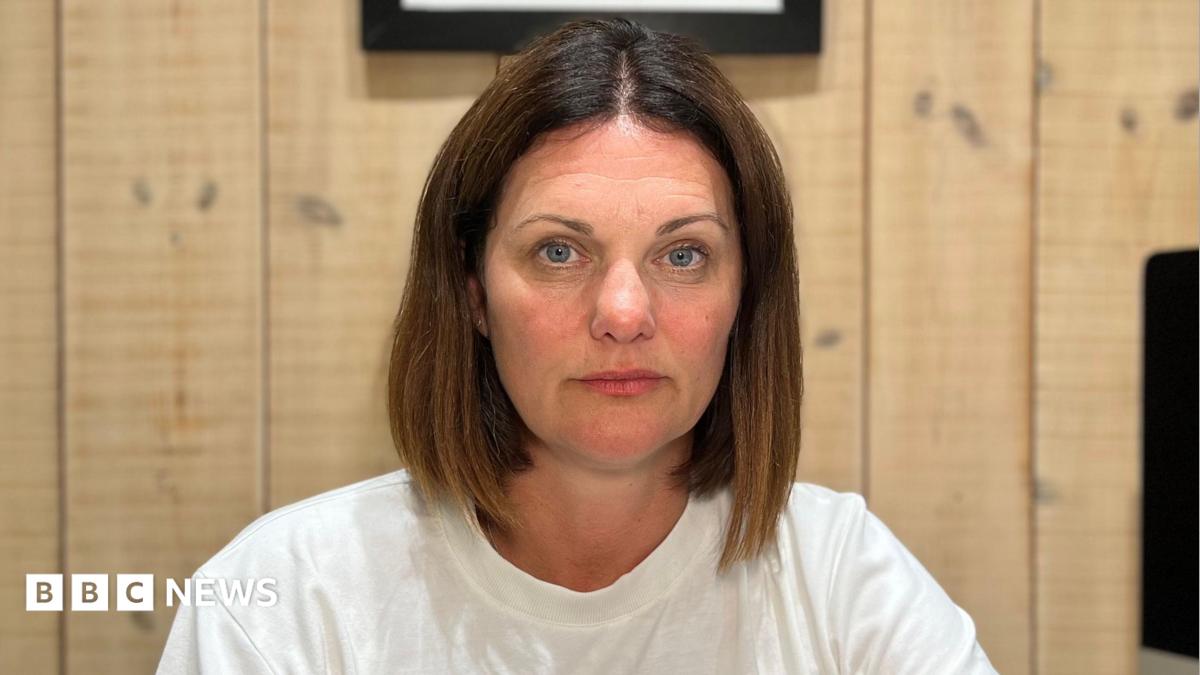
Widow of gambling addict takes Betfair to court in possible landmark UK case
Luke Ashton's widow is suing Betfair, alleging it failed to intervene as his losses mounted after years of betting and self-exclusion.
Intelligence analysis by GPT-5.4 Mini

The widow of Luke Ashton is launching a high court claim against Betfair, arguing the company should have stepped in as his gambling losses grew. If successful, the case could be the first to establish that a betting operator owed a duty of care to a customer showing signs of problem gambling.
A widow is asking a court to say a betting company should have stepped in to help her husband when his gambling was getting out of control, like a shop seeing someone keep buying too much candy and not warning anyone.
Analysis
The claim
The Guardian reports that Luke Ashton's widow is beginning a legal case against Betfair over his death in 2021, after he fell into £18,000 of debt and died by suicide. His family argues that Betfair was negligent because it did not intervene as his losses increased, even though he had signs of problem gambling.
What the family says
According to the article, Ashton repeatedly used temporary exclusions from gambling with Betfair, returning when they ended. The claim says he lost £21,777 over three years, and that his gambling intensified during the pandemic after he was furloughed. In March 2021, he placed more than 1,000 bets and lost a net £5,500. The family’s lawyers also say the volume of promotional "free" bets he received increased in the period before his death.
Betfair's defence
Betfair, which is part of Flutter, denies it owed Ashton any duty of care. Its defence says he did not tell the company he had a gambling disorder and argues that his losses were caused by his own contributory negligence and outside mental-health factors. It also says he would have lost the money with another operator and that it had safer-gambling checks in place.
Why the case matters
The article says a win for the Ashton family would be the first time a court established that a betting operator owed a duty of care to a customer showing signs of problem gambling. That could open the door to many more claims against the wider UK gambling industry, which took more than £12bn from British customers last year. The piece also notes that previous attempts to hold firms liable for failing to prevent large customer losses have not succeeded.
A 2023 coroner had already criticised Betfair for Ashton’s death, saying more effort should have been made to intervene or interact. The claim is seeking £846,478 in damages, including alleged losses to the family and the money Betfair made from Ashton.
Key points
- Luke Ashton's widow is suing Betfair over his death after years of heavy gambling and debt.
- The family argues Betfair failed to intervene as losses rose, breaching a duty of care.
- Betfair denies any duty of care and says Ashton did not disclose his gambling disorder.
- A win could become a landmark ruling and encourage further claims against UK gambling firms.
- The claim seeks £846,478 in damages.
If the family wins, the case could push betting firms to spot danger signs earlier and act sooner. It may also lead to stronger safer-gambling rules and more careful promotion practices across the industry.
If the court accepts Betfair's defence, the case may fail to change how gambling firms handle customers who keep betting despite clear warning signs. A loss for the family could also make it harder for other similar claims to succeed.