Wife of US soldier deported after Trump rollback on military family protections
The wife of an active-duty US soldier was deported to Honduras, becoming at least the seventh spouse or parent of a US soldier to be deported under the Trump administration's immigration crackdown. Cristy Maryori Villafranca-Trejo had no known criminal record and entered …
Intelligence analysis by Llama
The deportation of Cristy Maryori Villafranca-Trejo, the wife of an active-duty US soldier, highlights the Trump administration's rollback of protections for military families. Villafranca-Trejo had been detained by immigration authorities and was issued a final order of removal in 2017 after failing to appear at a hearing.
Imagine you're a soldier in the US army, and your wife is from another country. She came to the US when she was 18 years old and has been living here ever since. But now, the government is saying she has to go back to her home country because she didn't show up to a court hearing a few years ago. This is a problem because the soldier is now having to take care of their daughter on his own, and it's making it hard for him to do his job.
Analysis
Background
The deportation of Cristy Maryori Villafranca-Trejo, the wife of an active-duty US soldier, is the latest example of the Trump administration's rollback of protections for military families. Villafranca-Trejo had been detained by immigration authorities and was issued a final order of removal in 2017 after failing to appear at a hearing.
What Changed
Prior to the Trump administration, US Immigration and Customs Enforcement (ICE) would typically allow immediate family members of US troops to adjust their legal status even if they had been issued a final order of removal. However, under the Trump administration, ICE has taken a more aggressive approach to enforcing immigration laws, resulting in the deportation of at least seven spouses or parents of US soldiers.
Implications
The deportation of Villafranca-Trejo raises concerns about the treatment of military families under the Trump administration's immigration policies. The case highlights the need for greater protections for the spouses and children of US service members. It also raises questions about the impact of the Trump administration's policies on national security and the morale of US troops.
What's Next
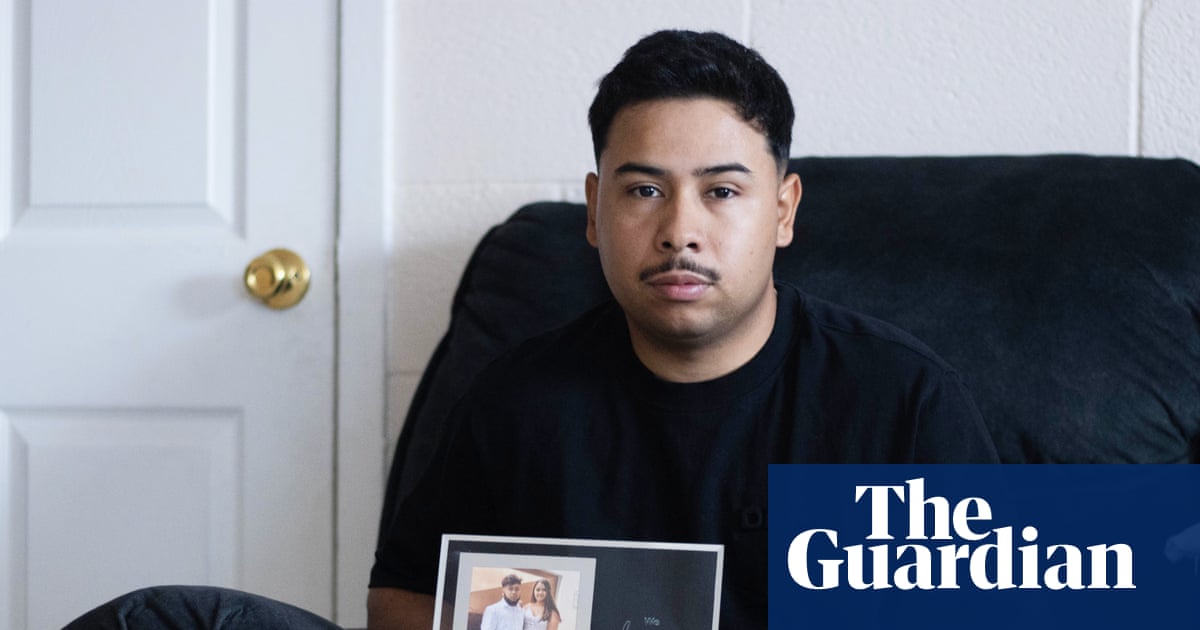
The deportation of Villafranca-Trejo is likely to have a significant impact on her husband, Army Sgt Hedar Leonel Turcios Juarez, who is struggling to manage his military duties without his wife's help. The case is also likely to spark renewed calls for greater protections for military families and for the Trump administration to reconsider its immigration policies.
Key points
- Cristy Maryori Villafranca-Trejo, the wife of an active-duty US soldier, was deported to Honduras after being issued a final order of removal in 2017.
- Villafranca-Trejo had no known criminal record and entered the US in 2016 at age 18.
- The deportation of Villafranca-Trejo is the latest example of the Trump administration's rollback of protections for military families.
- Prior to the Trump administration, US Immigration and Customs Enforcement (ICE) would typically allow immediate family members of US troops to adjust their legal status even if they had been issued a final order of removal.
The deportation of Villafranca-Trejo may lead to renewed calls for greater protections for military families and for the Trump administration to reconsider its immigration policies. This could result in changes to the way the government handles immigration cases involving military families, potentially leading to more favorable outcomes for families like Villafranca-Trejo's.
The deportation of Villafranca-Trejo highlights the potential consequences of the Trump administration's immigration policies on military families. If the administration continues to prioritize enforcement over compassion, it could lead to more families being torn apart by deportation, causing significant harm to the morale and well-being of US troops.